





Beyond the Beaches: The Konkan's Hidden Waterways
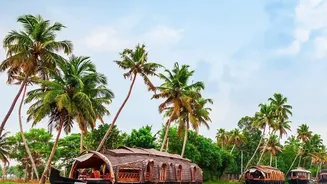
The Konkan coast, stretching from north of Mumbai down to Goa, is famed for its stunning beaches and historic forts. But beyond the popular tourist trails lies a different world: a network of estuaries where freshwater rivers meet the salty Arabian Sea.
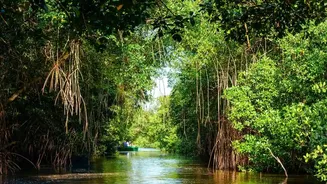
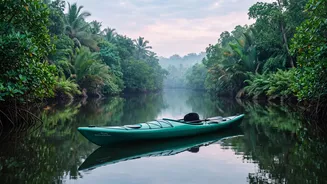
These brackish water ecosystems are cradles of biodiversity, most notably home to dense mangrove forests. For centuries, these intricate waterways were the exclusive domain of local fishing communities. Today, they are the setting for a new kind of adventure — one that is quiet, educational, and deeply connected to nature.
From Fishing Nets to Kayak Paddles
A quiet revolution in sustainable travel is taking place in villages across the districts of Raigad, Ratnagiri, and Sindhudurg. Local fishermen and villagers, possessing generations of knowledge about the tides, currents, and hidden creeks, are retraining as eco-guides. Supported by initiatives from organisations like the Mangrove Foundation of Maharashtra, these guides are at the forefront of community-based tourism. They are not just offering a boat ride; they are sharing their heritage. This shift provides a vital alternative livelihood that doesn't force them to abandon their homes or culture for urban jobs. Instead, it places a premium on their unique, place-based knowledge, turning what was once subsistence into a sustainable enterprise.
A Floating Classroom on the Water
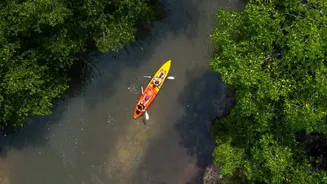
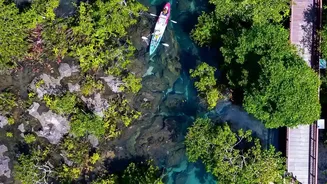
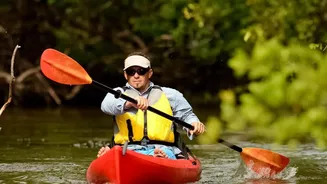
The 'educational' aspect of these kayaking tours is what sets them apart. As you paddle through the labyrinth of mangrove roots, guides point out the different species of mangroves and explain their critical role in the ecosystem. Mangroves act as a natural barrier against coastal erosion and storm surges, serve as nurseries for countless species of fish and crabs, and are incredibly efficient at sequestering carbon. Visitors learn to identify resident and migratory birds, from kingfishers to herons, that thrive in this habitat. The guides, speaking from lived experience, can explain the subtle signs of a healthy ecosystem, the names of local fish, and even traditional, sustainable fishing techniques practiced in the region. This is not a lecture from a textbook; it is a conversation with an expert whose life is intertwined with the environment they are showing you.
The Ripple Effect of Responsible Travel
This model of ecotourism creates a virtuous cycle. Tourists get a unique, authentic experience far removed from crowded commercial attractions. The local community gains a sustainable source of income that incentivizes the protection of their natural surroundings. When the mangroves are seen as a source of livelihood through tourism, there is a stronger collective will to protect them from pollution, deforestation, and unsustainable development. Initiatives in villages like Velas, once known primarily for turtle conservation, show how ecotourism can empower locals to become fierce guardians of their environment. The success of these kayaking tours is proving that economic development and environmental conservation do not have to be opposing forces; in fact, they can paddle forward together.
How to Experience This Gentle Adventure
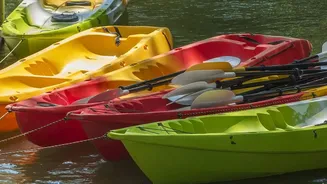
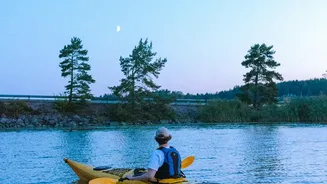
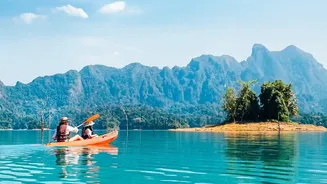
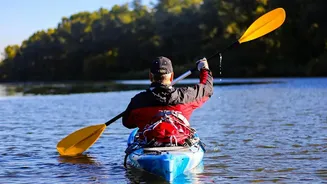
Several operators and community-led groups now offer guided kayaking in the mangrove forests of the Konkan, particularly in areas around Vengurla, Malvan, and the backwaters of the Vashishti River. The tours are typically beginner-friendly, conducted in calm, protected waters with stable kayaks. Guides provide safety briefings and basic instruction before setting out. The focus is on a slow, observant pace rather than physical exertion, making it suitable for families and nature lovers of all fitness levels. By choosing these community-run tours, travellers directly contribute to the local economy and the preservation of the delicate estuarine ecosystems they have come to admire.