


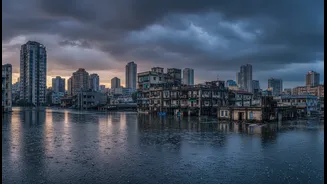



An Unprecedented Downpour
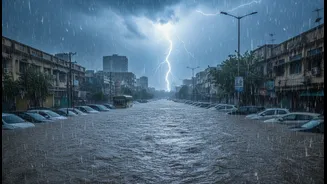
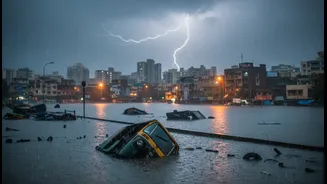
The first week of July 2026 was extraordinary even by Mumbai's monsoon standards. The Santacruz observatory recorded a staggering 988 mm of rainfall in just the first six days of the month, which is more than the entire average for July. In a period of just four
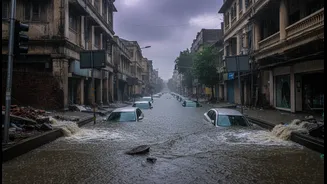
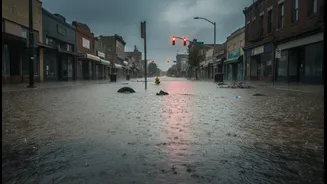
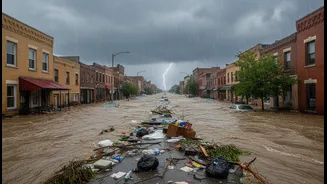
days, the city received what amounts to 90% of its average rainfall for the whole month. Some parts of the city recorded 250 mm to 300 mm in a single 24-hour period. This wasn't a gentle, continuous drizzle; it was a series of intense, punishing spells described as "cloudburst-like" episodes, dumping massive amounts of water in very short periods. This pattern of extreme rainfall events is a significant shift, packing weeks of rain into just a few days and overwhelming the city's capacity to cope.
When Rain Overwhelms Drains
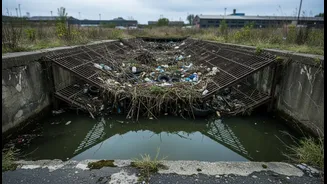
The core of Mumbai's flooding problem lies in a simple mismatch: the intensity of the rain far exceeds the capacity of its drainage system. Much of the city's stormwater network is over a century old, designed during the British era to handle a maximum rainfall intensity of only 25 mm per hour. However, during the recent spells, rainfall frequently surpassed 50 mm per hour, and in some cases was even higher. When it rains this heavily, the aged drains simply cannot carry the water away fast enough, leading to inevitable waterlogging. The situation is made worse by the fact that many drains are clogged with silt and illegally dumped garbage, further reducing their capacity. So, when a deluge of 250 mm falls in 24 hours, the system designed for a fraction of that load is instantly paralysed.
The High Tide Double-Punch
Geography delivers another blow to Mumbai. The city, much of which is built on reclaimed land, has several low-lying areas. Its drainage system relies on gravity to empty stormwater into the Arabian Sea through 186 outfalls. This works during low tide, but when heavy rain coincides with a high tide—a common occurrence this July—it’s a recipe for disaster. During a high tide, the elevated sea level effectively blocks the outfalls, preventing the rainwater from draining out. In early July, high tides reached over 4 metres, essentially putting a plug on the city's drainage network precisely when it was needed most. The water from the sky has nowhere to go because the sea is pushing back, trapping it on the streets.
The Concrete Sponge Effect
Unchecked urbanisation has stripped Mumbai of its natural defences against flooding. Over decades, absorbent open spaces, wetlands, mangroves, and rivers have been systematically replaced with concrete roads, buildings, and pavements. These impermeable surfaces prevent rainwater from seeping into the ground, a process that once absorbed a significant portion of the downpour. Now, almost all the rainwater becomes surface runoff, channelled directly into an already overburdened drainage system. Natural channels like the Mithi River have been encroached upon and polluted, reducing their capacity to carry excess water. The city has essentially become a concrete bowl, collecting water with very few natural outlets.
A Path Forward?
The recurring crisis has forced authorities to act. Following the recent flooding, the Maharashtra government announced a ₹13,000-crore integrated flood-control plan. The plan, developed with assistance from IIT Bombay, aims to tackle 370 chronic flooding hotspots. It combines conventional solutions like upgrading stormwater drains to handle higher rainfall intensity (over 55 mm per hour), building new pumping stations, and installing automated floodgates with nature-based ideas to turn Mumbai into a 'sponge city'. The hope is to create a system that can clear waterlogging within 30 minutes. While these long-term plans offer a glimmer of hope, their success will depend on timely execution and addressing the root causes of unregulated construction and environmental degradation.