
The Forager's Gamble
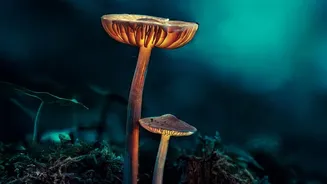
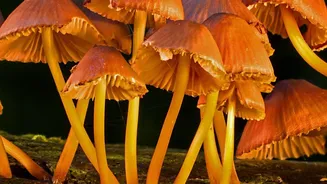
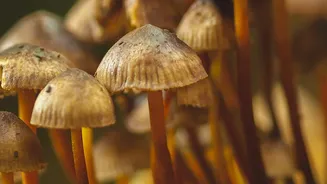
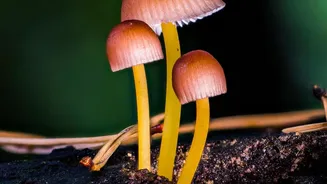
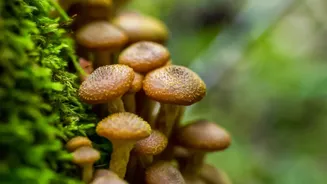
The monsoon season provides the perfect damp, humid conditions for a wide array of fungi to sprout. While many ethnic tribes in India have profound traditional knowledge of local varieties, distinguishing the edible from the deadly is a high-stakes skill.
Incidents of mushroom poisoning see a sharp rise during this time, with some cases leading to severe illness and even fatalities. The danger lies in misidentification, as many poisonous mushrooms look strikingly similar to safe ones. Some of the most lethal species, like the infamous Death Cap (Amanita phalloides), are responsible for the vast majority of mushroom-related deaths worldwide and can be mistaken for edible varieties. These toxins are often heat-stable, meaning cooking does not make a poisonous mushroom safe to eat.
Don't Trust These Common Myths
Folklore and handed-down wisdom about identifying poisonous mushrooms are widespread but dangerously unreliable. Relying on them can have tragic consequences. Here are some myths you should ignore: Myth: If animals or insects eat it, it's safe. Fact: Animals have different digestive systems. Rodents and slugs can safely consume mushrooms like the Death Cap, which is lethal to humans. Myth: Poisonous mushrooms taste bad. Fact: Some of the most toxic mushrooms are reportedly mild-tasting and delicious. Taste is not an indicator of safety. Myth: Cooking with a silver spoon or onion will reveal toxins. Fact: The belief that a silver spoon will tarnish if cooked with poisonous mushrooms is a complete fallacy with no scientific basis. Myth: All brightly coloured mushrooms are poisonous, and all white ones are safe. Fact: Colour is not a reliable guide. The deadly Death Cap is a plain, whitish-green, while some vibrant mushrooms are edible. Conversely, some dangerous species are plain white or brown.
General Signs of a Potentially Toxic Mushroom
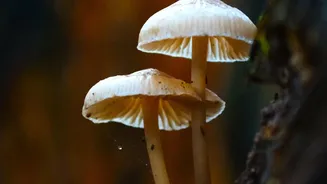
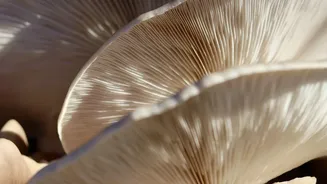
While there's no single foolproof rule, some general characteristics are common among poisonous varieties, particularly the dangerous Amanita family. Be wary of mushrooms with a distinct 'parasol' or umbrella-like cap, white gills, a ring around the stem, and a cup-like, bulbous base (called a volva), which may be underground. Warts or patches on the cap can also be a warning sign. However, many edible mushrooms can share some of these traits. The only way to be certain is through expert identification. The golden rule for foraging is simple: if you are not 100% certain of its identity, do not eat it. When in doubt, always throw it out.
Sourcing and Preparation for Safety
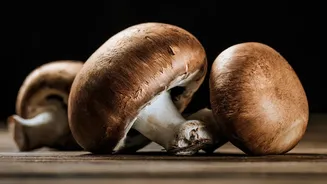
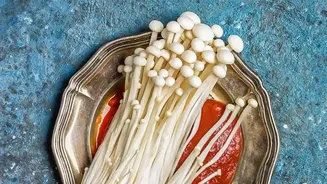
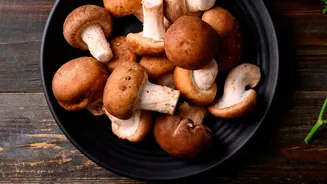
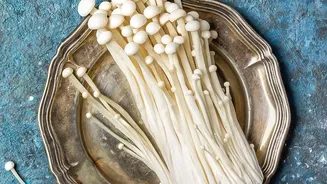
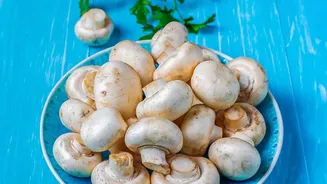
The safest way to enjoy mushrooms is to buy them from a trusted vendor or a reputable store that sells cultivated varieties. If you do consume wild mushrooms, source them from an expert forager you trust implicitly. Even with edible wild mushrooms, proper preparation is key. They grow in damp soil and can harbour bacteria. Clean them thoroughly just before cooking. A vegetable brush and a quick rinse under cold water can remove dirt and debris. Some foragers recommend a brief soak in salted water if the mushrooms are buggy, followed by a rinse. Always cook wild mushrooms; never eat them raw. When trying a new edible variety for the first time, eat only a small, well-cooked portion and wait 24 hours to ensure you don't have an adverse reaction.
Recognizing the Signs of Poisoning
Symptoms of mushroom poisoning vary depending on the toxin ingested. Some symptoms can appear within 30 minutes to a few hours and include stomach cramps, vomiting, and diarrhoea. However, the most dangerous toxins often have a delayed effect. With deadly mushrooms like the Death Cap, severe gastrointestinal symptoms may not appear for 6 to 24 hours. After this initial phase, the person might seem to recover for a day or two, but the toxins are silently causing severe liver and kidney damage, which can lead to organ failure and death. Other symptoms can include confusion, hallucinations, or severe thirst. If you suspect someone has eaten a poisonous mushroom, do not wait for symptoms to appear. Seek immediate medical help. If possible, take a sample of the mushroom with you to the hospital for identification, as this can aid in treatment.