


Kullu, Himachal Pradesh: A Divine Congregation
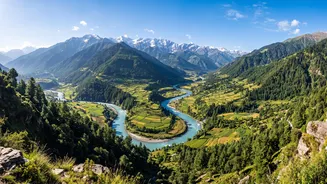
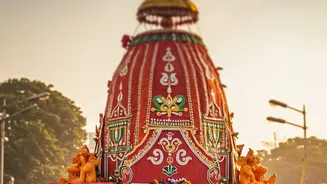
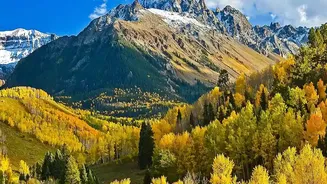
In the picturesque Kullu Valley, Dussehra begins when it ends for most of India. The week-long festival commences on Vijayadashami day and is famous for its grand assembly of deities. More than 200 local gods and goddesses, carried on ornate palanquins,
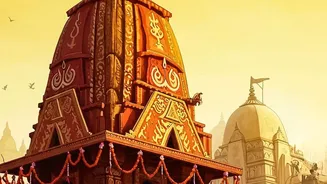
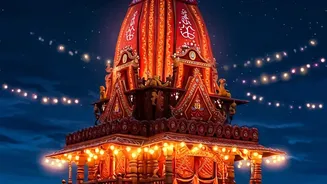
travel from surrounding villages to the Dhalpur Maidan to pay homage to Lord Raghunath, the valley's principal deity. This tradition dates back to the 17th century, started by King Jagat Singh. Instead of the typical Ramlila and Ravana Dahan, the highlight here is the Rath Yatra, a spectacular chariot procession for Lord Raghunath. The festival has also gained international recognition, featuring folk performances, music, and dances like the Nati, creating a vibrant cultural atmosphere in the lap of the Himalayas.
Bastar, Chhattisgarh: The World's Longest Festival
Perhaps the most unique celebration takes place in the tribal heartland of Bastar. Spanning an incredible 75 days, Bastar Dussehra is believed to be one of the world's longest festivals. Unlike celebrations elsewhere, it is not connected to Lord Rama's victory over Ravana; in fact, no effigies are burned. The festival is dedicated to Goddess Danteshwari, the presiding deity of the Bastar region. With a history of over 600 years, its rituals are a fascinating blend of tribal customs and royal traditions initiated by the Kakatiya kings. The festival unites various local tribes, each with a designated role, from constructing the massive chariot to performing specific rites, making it a powerful display of community and ancient faith.
Mysore, Karnataka: A Royal Spectacle
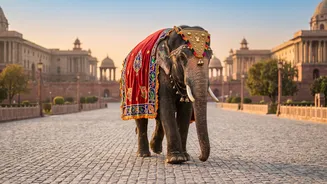
Mysore's Dasara is the state festival, or 'Nadahabba', of Karnataka, known for its royal pomp and grandeur. The celebrations, with a history of over 400 years, commemorate Goddess Chamundeshwari's victory over the demon Mahishasura. The entire city transforms into a festive hub, but the main attraction is the Mysore Palace, illuminated by nearly 100,000 light bulbs every evening. The grand finale is the 'Jamboo Savari' or elephant procession on Vijayadashami day. A decorated elephant carries the idol of Goddess Chamundeshwari placed in a golden howdah weighing around 750 kilograms through the city streets. The procession also includes colourful tableaux, dance troupes, and music bands, culminating in a torchlight parade at the Bannimantap grounds.
Kota, Rajasthan: The Towering Effigies
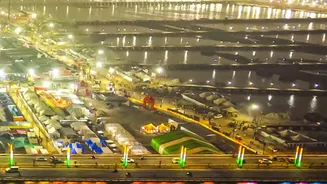
For those who appreciate the spectacle of Ravana Dahan, Kota offers a truly larger-than-life experience. The city is famous for its Dussehra Mela, a massive fair that has been held for centuries, tracing its origins to the 1720s. The main event is the burning of colossal effigies of Ravana, his brother Kumbhakarna, and son Meghnad. These are among the tallest in the country, with some recent effigies aiming for world records, reaching over 200 feet. The burning is a magnificent sight, drawing lakhs of people from surrounding villages and towns. The fair itself extends for weeks, featuring cultural programs with renowned artists, traditional Rajasthani performances, and a bustling market, making it a vibrant celebration of rural and urban culture.
Madikeri, Karnataka: A Carnival of Tableaux
Nestled in the hills of Coorg, Madikeri hosts a Dasara celebration that feels like a vibrant, all-night carnival. It is known for its procession of ten elaborate 'Mantapas', or moving tableaux, from ten different temples. These massive, illuminated structures, some reaching heights of over 20 feet, depict mythological scenes with moving idols. The procession travels through the town on the night of Vijayadashami, accompanied by music and dancing, drawing huge crowds. The festival also features 'Karaga' rituals, representing the town's four guardian deities, where priests perform a traditional dance while balancing the decorated Karagas on their heads.