



The Allure of the Wild Mushroom
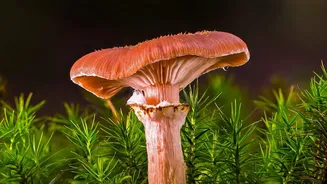
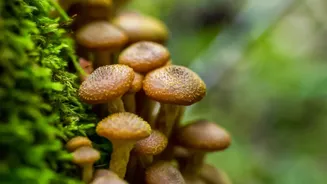
As the rains arrive, so does a bounty of wild mushrooms, many of which are cherished in regional cuisines across India. From the fleshy ‘olmi’ of Goa that grow on termite mounds to the rare ‘gucchi’ of the Himalayas, foraging is a tradition rooted in generations
of local knowledge. These seasonal delicacies, often called 'vegetarian mutton' for their texture, are a highlight of the monsoon diet for many communities, offering unique flavours that commercially grown varieties can't match. This popularity, however, comes with a significant risk, as edible species often have dangerous lookalikes.
The Dangerous Game of Misidentification
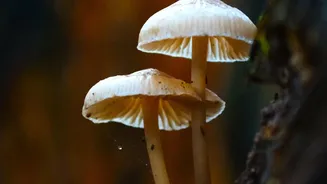
The single greatest danger with monsoon mushrooms is misidentification. Many poisonous mushrooms look strikingly similar to edible ones, and there is no simple home test to tell them apart. Myths that toxic mushrooms are always brightly coloured, have a bad smell, or can be made safe by cooking are dangerously false. Cooking, freezing, or drying does not destroy the potent toxins in many poisonous species. In fact, some of the world's deadliest mushrooms, like the Death Cap (Amanita phalloides), which is responsible for a majority of fatal poisonings, can be mistaken for edible varieties like the Paddy Straw mushroom.
Rule 1: When in Doubt, Throw It Out
The cardinal rule of consuming wild mushrooms is simple: never eat a mushroom unless you are 100% certain of its identity, as verified by a trained expert. Foraging apps and online picture guides can be helpful, but they are no substitute for hands-on experience and local expertise. Many indigenous communities possess generational knowledge for identifying safe fungi, but even they can make mistakes. For the average person, the risk of accidentally picking a toxic variety is far too high. Health authorities across India regularly issue advisories during the monsoon, urging the public to refrain from consuming mushrooms found in forests, along roadsides, or in open fields.
Your Safest Bet: The Trusted Vendor
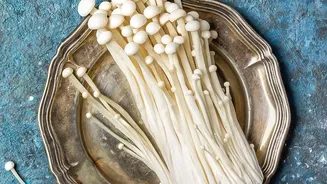
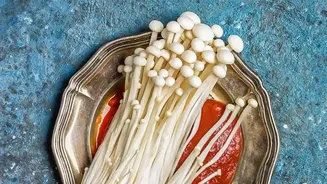
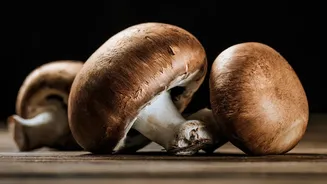
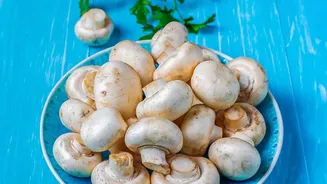
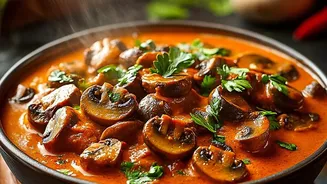
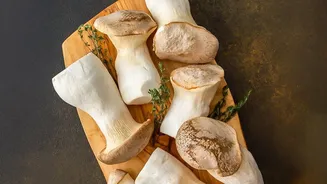
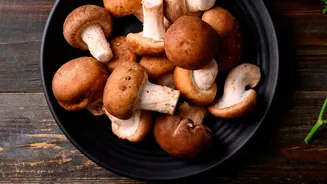
The most reliable way to enjoy mushrooms during the monsoon is to purchase them from a reputable source. Stick to commercially cultivated varieties like button, oyster, or shiitake from clean grocery stores or trusted local markets. When buying, inspect the mushrooms carefully. They should be firm, fresh, and free from dark spots, slime, or a sour smell. Humid monsoon weather can make even safe mushrooms spoil quickly, so buy only what you need and store them properly in the refrigerator. Avoid washing them until just before you cook, as excess moisture speeds up decay.
Recognising the Signs of Poisoning
Mushroom poisoning symptoms can appear anywhere from 20 minutes to 24 hours after consumption. The most common initial signs are gastrointestinal, including severe abdominal pain, nausea, vomiting, and diarrhoea. Depending on the toxin, other symptoms can develop, such as confusion, hallucinations, excessive sweating, or visual disturbances. Some of the most dangerous toxins, like amatoxins found in Death Cap mushrooms, have a deceptive latency period. A person might experience initial stomach issues, seem to recover, and then develop severe liver and kidney failure days later.
What to Do in an Emergency
If you suspect you or someone else has eaten a poisonous mushroom, do not wait for symptoms to appear. Seek medical help immediately. Call an ambulance or go to the nearest hospital's emergency department. If possible, take a sample of the mushroom that was consumed—even a cooked piece—with you. This can be crucial for doctors to identify the specific toxin and administer the correct treatment. Do not try to self-medicate or induce vomiting unless instructed to do so by a medical professional. Prompt medical intervention is critical and can be life-saving.