



The Pro Secret: Usable Yield
In professional kitchens, chefs don't just look at the price per kilogram. They live and die by a concept called “usable yield” or “edible portion” (EP). This refers to how much of an ingredient is left to cook with after you've done all the prep work.
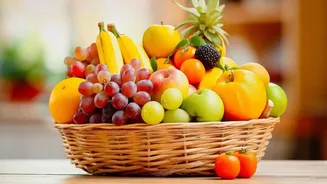
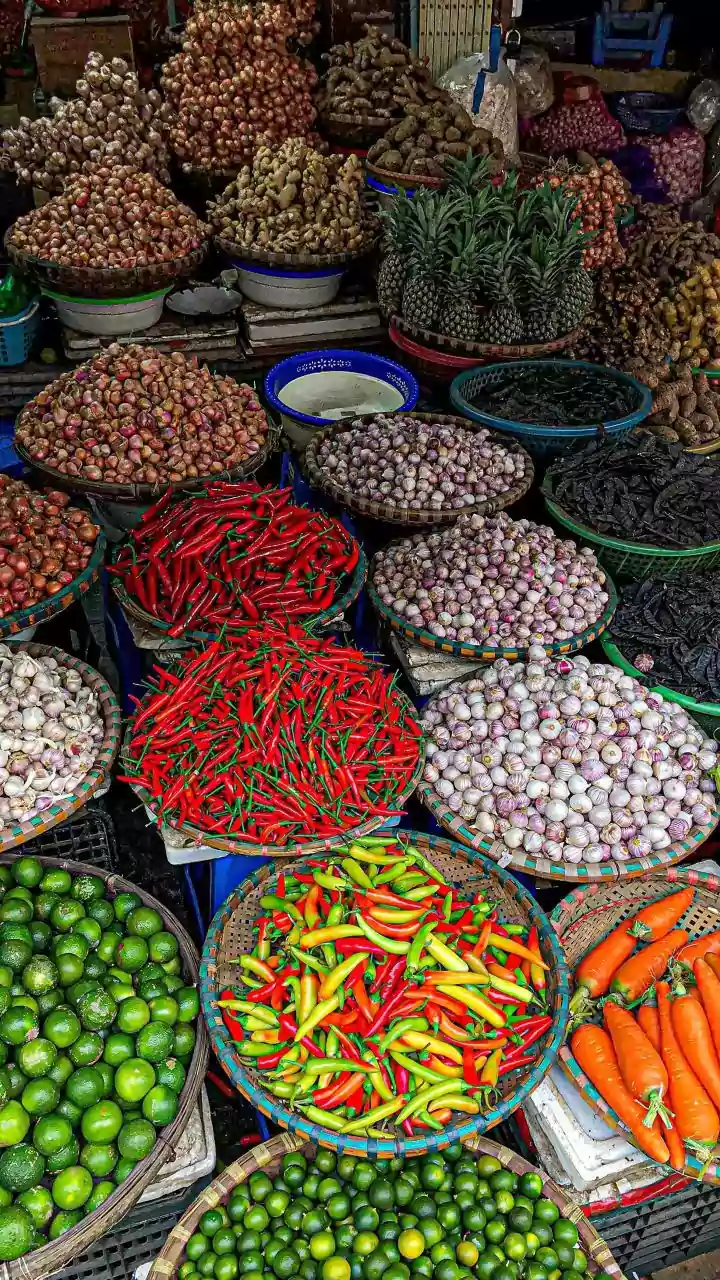
Think about a whole pineapple; the price you pay is for the entire thing—spiky skin, tough core, and all. That's the “as purchased” (AP) weight. But the only part you actually eat is the sweet flesh inside, which is the edible portion. The difference between what you buy and what you can actually use is the key to understanding the true cost of your food.
How Pack Price Can Lie
Focusing only on the initial price is a common trap. An ingredient might seem like a bargain until you realize a significant percentage of it is destined for the compost bin. For example, a whole chicken at a low price per kilo seems economical. But after you account for the bones, skin, and trim that you might discard, the cost of the actual meat you'll serve can be much higher. Chefs calculate the edible portion cost by dividing the purchase price by the yield percentage. For home cooks, it doesn’t have to be that technical. Just developing the habit of asking, “How much of this will I actually use?” can radically change your shopping decisions and your budget.
Common Culprits of Low Yield
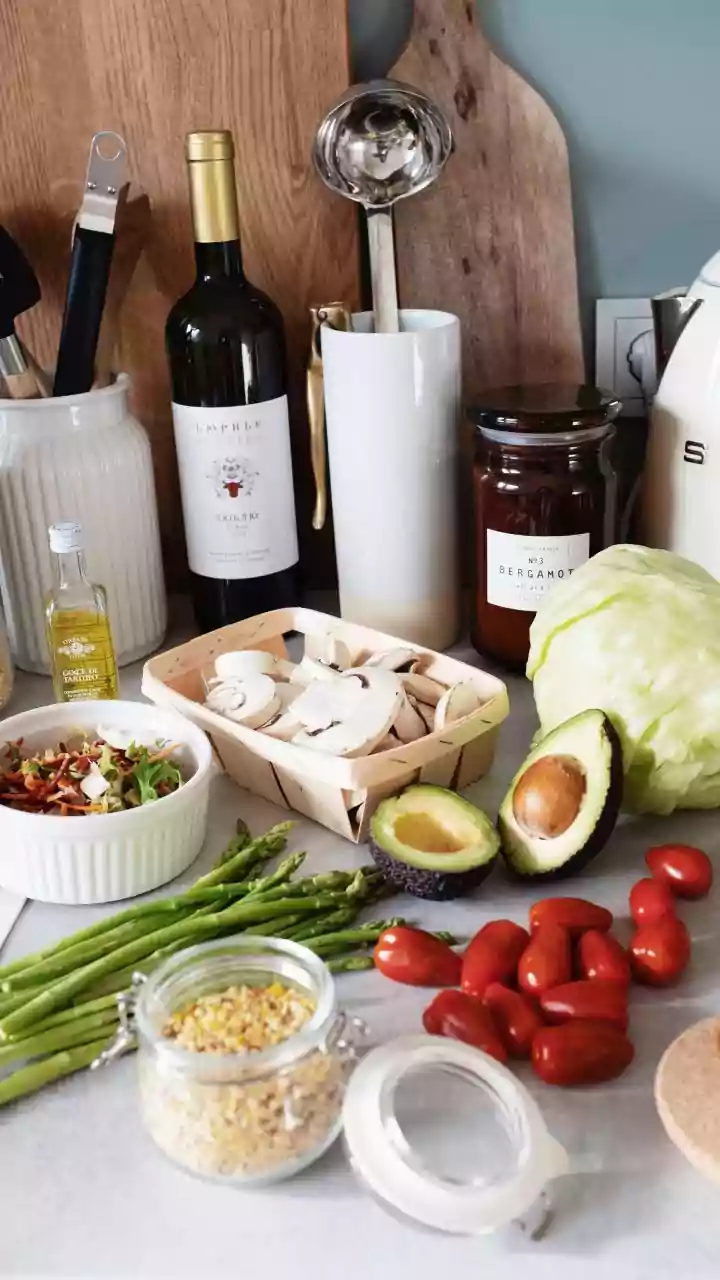
Some ingredients are notorious for having a low usable yield, meaning you pay for a lot of waste. Becoming familiar with these can make you a much smarter shopper. Artichokes, for instance, have a very low yield after you remove the tough outer leaves and thorny choke. Asparagus often requires you to snap off the woody, inedible bottom portion. Bone-in cuts of meat are another classic example; that T-bone steak looks impressive, but a good portion of its weight is bone, not beef. Even leafy greens like kale can have thick, fibrous stems that many people discard, reducing the total volume of leaves you get. A banana, for example, has a yield of about 68%, meaning you throw away 32% of what you paid for.
A Simple Way to Calculate True Cost
You don't need a spreadsheet to apply this principle at home. The next time you're at the store, try this mental exercise. Look at a bunch of fresh spinach with thick stems and a bag of pre-washed baby spinach. The bunch might be cheaper by weight, but if you know you’ll discard half the stems, the effective price of the leaves might be double what you thought. Now compare that to the bag of baby spinach, which has a nearly 100% usable yield. Suddenly, the “more expensive” option might actually offer better value. The simple formula is: True Cost = Price / Usable Part. This small shift in perspective is what separates good home cooks from great ones.
When Is Paying for Convenience Worth It?
This doesn't mean you should always buy the highest-yield product. Sometimes, paying for convenience is a smart trade-off. Think of a butternut squash. Buying it whole is cheaper per kilogram, but peeling, seeding, and chopping it can be a time-consuming and sometimes difficult task. In this case, buying a pack of pre-cut squash might be worth the extra cost, especially on a busy weeknight. The goal isn't to become obsessed with maximizing yield on every single item. Rather, it's about making a conscious choice. By understanding the concept of usable yield, you can decide when to spend a little more to save time and effort, and when to put in the prep work yourself to save money.