



Skating: A World of Speed and Impact
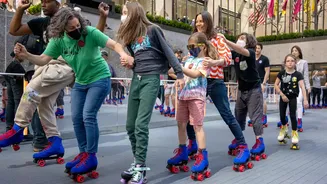
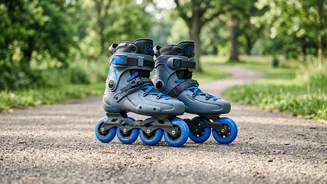
Whether it's roller skating, inline skating, or skateboarding, the activity is defined by momentum. Gliding over surfaces at speed is thrilling, but it also introduces significant risk. The core issue is kinetic energy and what happens when it comes to
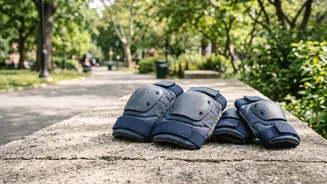
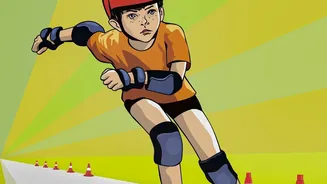
a sudden stop. A fall on concrete from a standing position is one thing; a fall while moving at speed is a high-impact event that transfers a large amount of force to the body. The most common injuries in skating are a direct result of this reality: fractures to the wrists, which people instinctively use to break a fall, and head injuries from hitting the pavement. This is why protective gear is not just recommended, but essential. A helmet can reduce the risk of head injury by up to 85%, while wrist guards are specifically designed to prevent the delicate bones in the wrist from fracturing on impact. Knee and elbow pads serve a similar purpose, protecting joints from scrapes, fractures, and dislocations during a fall.
Tai Chi: The Art of Slow, Controlled Movement
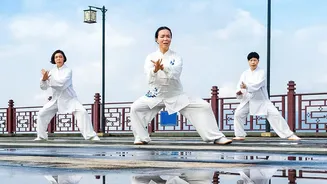
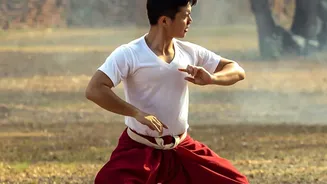
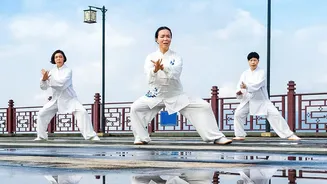
Tai Chi is often described as 'meditation in motion'. It is a low-impact exercise characterized by slow, fluid, and continuous movements. Unlike skating, there are no sudden bursts of speed or unpredictable changes in momentum. The practice is internally focused, emphasizing the integration of mind and body, proper posture, and precise weight transference from one foot to the other. The very design of Tai Chi is to cultivate balance and stability. Practitioners learn to be acutely aware of their body's position in space, strengthening the small stabilizing muscles around the joints. Falls are rare, and because the movements are so slow and controlled, any loss of balance is a low-energy event. The 'protective gear' in Tai Chi is not external armor, but internal skill: improved balance, heightened body awareness, and the strength to correct a stumble before it becomes a fall.
High-Impact vs. Low-Impact Explained
The fundamental difference between the two activities lies in impact. Skating is a high-impact activity, where falls involve significant force exerted on the bones and joints. High-impact exercises are excellent for building bone density but carry a higher risk of orthopedic injury. Tai Chi is the epitome of a low-impact workout, where at least one foot is typically in contact with the ground, and movements are smooth rather than jarring. This makes it exceptionally gentle on the joints and ideal for improving balance and flexibility without the associated risks of high-impact sports. While injuries can occur in any physical activity, the risks in Tai Chi are typically related to overstretching or improper form, not traumatic falls. The risk in skating, however, is almost entirely about managing the physics of speed and hard surfaces.
Choosing Your Path to Wellness
The choice between skating and Tai Chi is not about which is 'better', but which aligns with your personal fitness goals and risk tolerance. Skating offers a fantastic cardiovascular workout, builds lower body and core strength, and provides a sense of freedom and exhilaration. The risks are manageable with the consistent use of proper protective equipment and learning how to fall safely. Tai Chi, on the other hand, offers a path to improved balance, flexibility, mental focus, and stress reduction. It has been proven to be highly effective in preventing falls, particularly among older adults. It strengthens the body in a gentle, mindful way that supports long-term joint health. One is an external dance with speed and gravity, while the other is an internal exploration of balance and control.