







Master the Art of Layering
The secret to dressing for multiple climates without carrying multiple wardrobes is the three-layer system. This strategy allows you to add or remove clothing to adapt to temperature swings. Your first layer, or base layer, should be a moisture-wicking
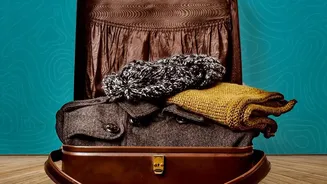
top that pulls sweat away from your skin; this is crucial for comfort in both heat and cold. The second, or mid-layer, provides insulation. Think of a lightweight fleece or a packable down vest that traps body heat. Finally, the outer layer, or shell, should be a waterproof and windproof jacket that protects you from the elements without being bulky. By combining these, you can handle a surprisingly wide range of conditions. A base layer is great for a warm day, adding a mid-layer prepares you for a cool evening, and all three together will keep you warm in the cold.
Choose Your Fabrics Wisely
The material of your clothes is just as important as the layering. For humid coastal areas, lightweight, breathable fabrics like polyester or nylon blends are ideal because they wick moisture and dry quickly. While cotton is comfortable, it absorbs moisture and dries slowly, making it a poor choice for humid conditions or as a base layer in the cold. For cold passes and mountain climates, Merino wool is a superstar. It’s excellent at regulating temperature, provides warmth without bulk, and is naturally odour-resistant, meaning you can wear it more and wash it less. Silk is another great option for a warm, lightweight base layer. Investing in a few key pieces made from these performance fabrics is a smart move for any multi-climate traveller.
Embrace Versatility and Multi-Use Gear
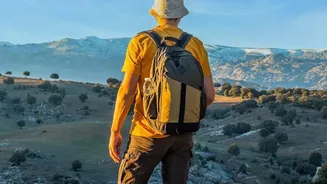
To pack light, every item should earn its place in your bag. Look for clothing that can serve multiple purposes. Convertible pants that zip off into shorts give you options for both trekking and city walks. A large, lightweight scarf or a sarong can be used as a beach cover-up, a shoulder covering for visiting temples, a towel, or for extra warmth on a chilly flight. A single pair of neutral-coloured trousers, like black or khaki, can be dressed up or down and match with nearly any top you bring. Even your sleepwear can do double duty; a pair of leggings and a long-sleeve top can act as an extra warm base layer if temperatures suddenly drop. This mindset reduces the total number of items you need to pack.
Solve the Footwear Puzzle
Shoes are often the bulkiest items in a suitcase, so choosing wisely is essential. For a trip spanning beaches and mountains, three pairs are generally sufficient. First, a pair of sturdy, comfortable walking shoes or lightweight hiking boots are non-negotiable for trails and long days of sightseeing. Second, pack a pair of water-friendly sandals or floaters for the beach, hot afternoons, and to wear in shared guesthouses. The third pair can be a casual sneaker or flat that works for evenings out. To save space, always wear your bulkiest pair of shoes—usually your hiking boots—on the plane.
Don't Forget Smart Accessories
Small items can make a huge difference in comfort. For the cold passes, a warm beanie, gloves, and a buff or scarf are essential for preventing heat loss and take up very little space. Good quality wool socks are also critical for keeping your feet warm and dry. For both climates, sunglasses and a high-SPF sunscreen are vital, as the sun can be intense at high altitudes and on the coast. A reusable water bottle is another must-have to stay hydrated in any environment. These small additions provide a lot of comfort for very little packing penalty.
Organise with Packing Cubes
The final step to smart packing is organisation. Rolling your clothes instead of folding them can save a significant amount of space and reduce wrinkles. To take it a step further, use packing cubes. These small zippered bags help you categorise and compress your clothing—tops in one, bottoms in another, and cold-weather gear in a third. This not only maximises suitcase space but also makes it easy to find what you need without unpacking your entire bag. Using compression sacks for bulky items like a fleece jacket or sleeping bag liner can free up even more valuable space for your journey.