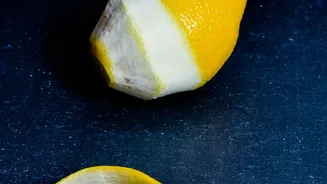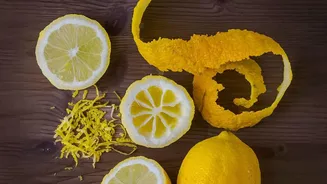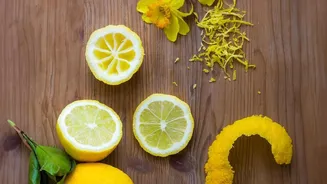




That zesty, bright fragrance of a freshly cut lemon is unmistakable. But once you have squeezed out the juice, what happens to the peel? Often, it ends up in the bin, but that's where most of the aromatic oils and flavour are hiding.
Embrace the Whole Lemon
From sweet treats
to savoury staples and even household cleaners, the entire lemon is a powerhouse of potential. Adopting a zero-waste approach to this everyday citrus not only saves money but unlocks a world of intense flavour. Before you begin, always wash and scrub your lemons well, especially if you plan to eat the peel. Using organic or unwaxed lemons is a great choice when the peel is the star of the show. Get ready to transform that humble lemon peel from trash into treasure.
Craft Flavour-Packed Preserved Lemons
A staple in Moroccan and Middle Eastern cuisine, preserved lemons add a unique, intensely savoury and salty lemon flavour to dishes. To make them, take several lemons and cut them into quarters from the top, stopping about an inch from the base so the segments stay connected. Pack the insides generously with coarse sea salt or kosher salt. Tightly press the lemons into a sterilised glass jar. The goal is to pack them in so they release their own juices. Top up with additional fresh lemon juice to ensure the lemons are completely submerged, seal the jar, and let it cure at room temperature for about a month, shaking the jar daily for the first week. To use, rinse the preserved lemon, scrape out the pulp if desired, and finely chop the softened rind to use in tagines, stews, dressings, and salads.
Create Sweet Candied Peels
Turn bitter peels into a delightful sweet treat. First, remove the peel from your lemons in wide strips. To remove bitterness, you'll need to blanch them. Place the peels in a saucepan with cold water, bring to a boil, then drain. Repeat this process at least three times. Next, make a simple syrup by dissolving sugar in water over medium heat. Add the blanched peels to the syrup and simmer gently for about an hour, or until the peels become translucent. Using a slotted spoon, remove the peels and let them air-dry on a wire rack for several hours. Once tacky but not wet, you can roll them in granulated sugar for a sparkling finish. These are perfect for snacking, garnishing desserts, or chopping into baked goods.
Make Your Own Lemon Extract
Why buy expensive lemon extract when you can make a more flavourful version at home? All you need are lemon peels and a neutral spirit like vodka. Using a vegetable peeler or zester, remove the yellow part of the peel, being careful to avoid the white pith, which can make the extract bitter. Place the peels in a clean glass jar and cover them completely with vodka. Seal the jar tightly and store it in a cool, dark place for four to six weeks, giving it a shake every few days. The vodka will gradually take on a vibrant yellow colour and a strong lemon aroma. Once the flavour is as intense as you like, strain out the peels and transfer the extract to a new bottle. It's perfect for baking and will last for months.
Infuse Oils for Cooking
Lemon-infused olive oil adds a bright, citrusy note to salad dressings, roasted vegetables, and grilled fish. Gently heat extra virgin olive oil in a saucepan with wide strips of lemon peel over very low heat for about 10-15 minutes. Do not let the oil boil; you only want to warm it enough to release the essential oils from the peel. Remove from the heat and let it cool completely. Once cooled, strain out the lemon peels and pour the infused oil into a clean, sterilised bottle. Stored in the refrigerator, it should last for up to a month.
Mix Up a Citrus Finishing Salt
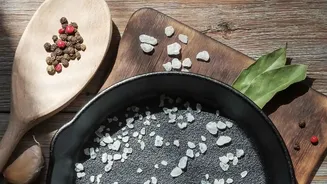
Elevate any dish with a sprinkle of homemade lemon salt. Simply mix freshly grated lemon zest with coarse sea salt. A good starting ratio is the zest of one lemon to a half cup of salt. Use your fingers to rub the zest into the salt, which helps release its fragrant oils. Spread the mixture on a baking sheet and let it air-dry overnight, or until the zest is hard and dry. Once dry, break up any clumps and store your lemon salt in an airtight container. It’s a wonderful finishing touch for fish, chicken, vegetables, and even the rim of a cocktail glass.
DIY All-Purpose Citrus Cleaner
Don’t toss those peels; turn them into a natural, effective household cleaner. Collect lemon peels (and other citrus peels like orange or lime) in a large glass jar. Once you have a good amount, fill the jar with white vinegar, making sure all the peels are fully submerged. Seal the jar and let it steep in a dark place for two to three weeks. The vinegar will draw out the citrus oils, creating a powerful degreasing solution. Strain the liquid into a spray bottle, dilute with an equal part of water, and you have a fresh-smelling cleaner for countertops, sinks, and tiles—just avoid using it on natural stone like marble or granite.