

The Gentle Art of Boiling and Stewing
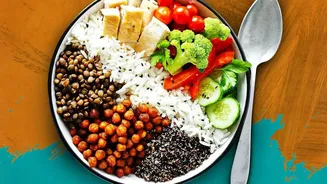
Boiling is a fundamental cooking method in India, especially for dals, legumes, and potatoes. When it comes to protein, this moist-heat method is a mixed bag. The good news is that boiling makes proteins more digestible. The heat helps to unfold the complex
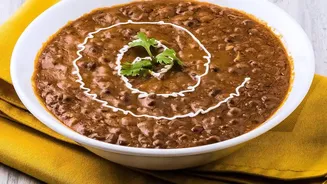
protein structures, a process called denaturation, which makes it easier for our digestive enzymes to do their job. However, the downside is nutrient leaching. Water-soluble vitamins, like B-complex vitamins, can escape from the food and into the cooking water. For dals and legumes, boiling and pressure cooking also help destroy anti-nutritional factors, which can block the absorption of minerals and protein. To get the most out of this method, it's best to consume the cooking liquid, which is why our traditional dals and sambars, where the water is part of the final dish, are nutritionally sound choices.
The Efficient Pressure Cooker
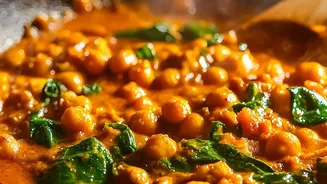
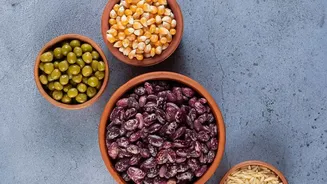
The whistle of a pressure cooker is the soundtrack to many Indian homes, and for good reason. This method is not only fast but also one of the best for preserving nutrients. By using high-pressure steam, it cooks food quickly at temperatures above 100°C. This shorter cooking time helps in better retention of heat-sensitive vitamins compared to prolonged boiling. For plant-based proteins like chickpeas (chana) and kidney beans (rajma), pressure cooking is excellent. It significantly improves protein digestibility by breaking down anti-nutrients like phytic acid more effectively than simple boiling. Studies suggest that while both boiling and pressure cooking retain a large percentage of protein in pulses, pressure cooking may have a slight edge in minimising protein loss because it operates in a closed system with less water.
The Sizzle of the Frying Pan
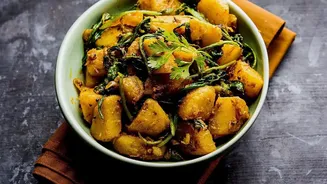
From crispy pakoras to golden-brown paneer, frying is central to some of India's most beloved dishes. However, this high-heat method comes with nutritional trade-offs. While frying doesn't necessarily destroy the protein content in ingredients like chicken or paneer, it dramatically increases the calorie and fat content of the meal. Deep-frying, in particular, saturates the food with oil, which can dilute its overall nutritional density. Exposing protein to very high temperatures, as in deep-frying or charring, can also lead to the formation of potentially harmful compounds. For a healthier approach, consider shallow-frying or sautéing (bhunana) with minimal oil. This still develops flavour but without the excess fat. When cooking paneer, adding it raw to a curry in the last few minutes is a better option than deep-frying it first, as this preserves its soft texture and keeps the protein more bioavailable.
The Power of Grilling and Roasting
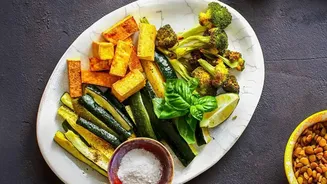
Tandoori chicken, paneer tikka, and kebabs get their signature smoky flavour from dry-heat cooking methods like grilling and roasting. These are generally considered healthier alternatives to frying. Grilling allows fat to drip away from the meat, reducing the final fat content. Both grilling and baking are effective at preserving protein content, with some studies showing roasted chicken breasts having higher protein levels compared to parts cooked with other methods. The key is to manage the temperature. Very high heat, especially from open flames that leads to charring, can damage some amino acids and create harmful substances. A useful tip is to marinate your chicken or paneer before grilling. Marinades not only add flavour but can also help reduce the formation of these compounds. Baking is another excellent hands-off method that concentrates flavour without adding fat.
The Delicate Touch of Steaming
Though less common as a primary cooking method in some Indian cuisines, steaming is one of the gentlest ways to cook, preserving the most nutrients. Because the food isn't submerged in water, water-soluble vitamins are not leached out. Steaming works wonderfully for vegetables, fish, and even marinated pieces of chicken. It cooks quickly and keeps the protein tender and moist without the need for any added fats. While it may not produce the robust flavours of frying or grilling, it excels at maintaining the food's natural taste and nutritional integrity, making it an ideal choice for light, healthy meals. Recent guidelines from the Indian Council of Medical Research (ICMR) have also highlighted steaming as an excellent method for retaining antioxidants and polyphenols in vegetables.