



A Monsoon of Extremes
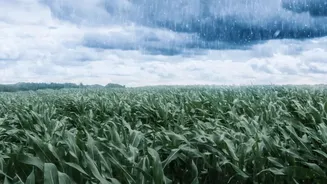
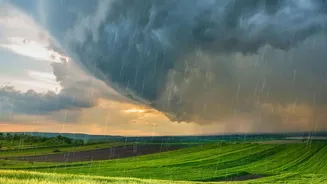
The 2026 monsoon has been described as one of the most spatially distorted in a decade. Overall rainfall for the season has been significantly below normal, with a nationwide deficit of around 15% as of early September. This headline number, however,
hides deep regional disparities. Large agricultural states in the south peninsula and east/northeast India have faced severe deficits, with some districts seeing shortfalls as high as 42%. In a stark example of this imbalance, Meghalaya, traditionally one of the wettest places on Earth, recorded its highest-ever monsoon deficit this year. This erratic performance has already impacted the summer (Kharif) crops, with concerns shifting from the total area sown to the final yield of crucial crops like rice, pulses, and soybeans.
The Crucial Role of Soil Moisture
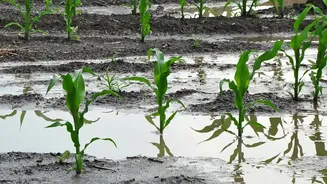
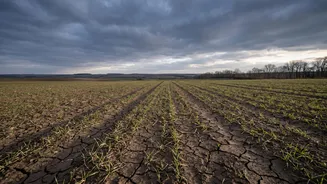
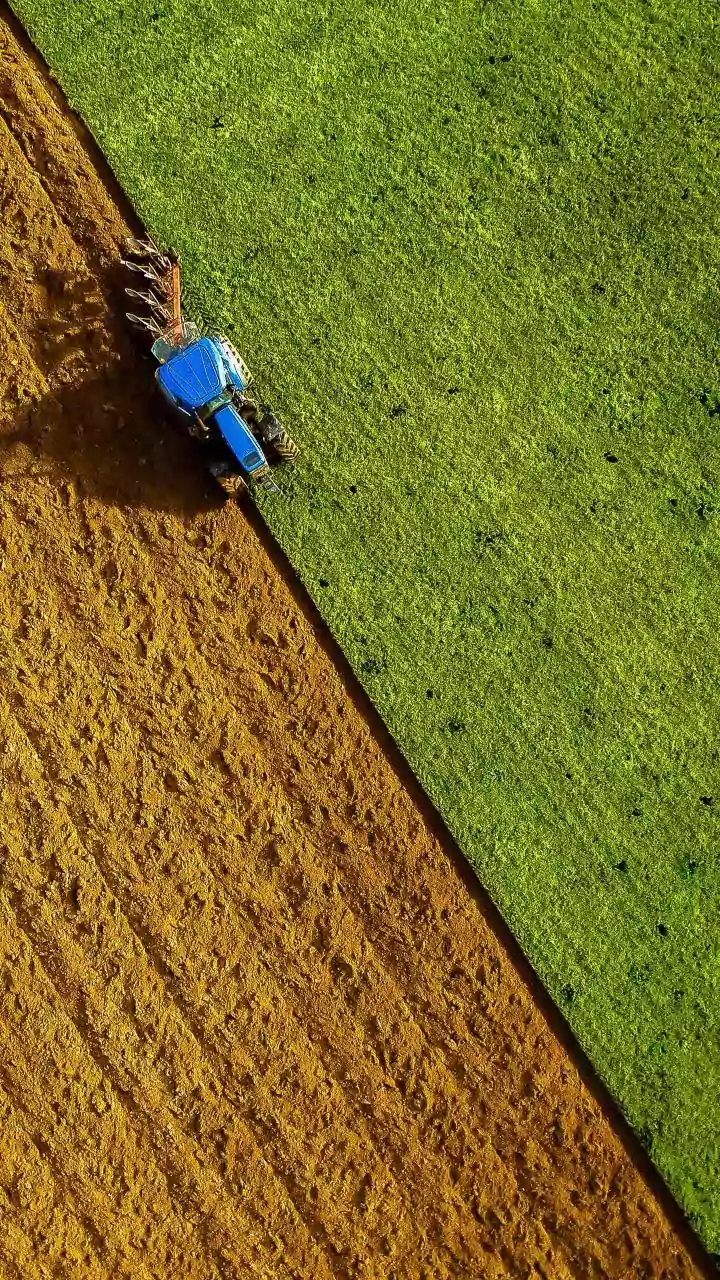
The focus now pivots to the Rabi, or winter crop season, which accounts for roughly half of India's total food grain production. The success of Rabi sowing, which typically begins in October, is heavily dependent on the conditions left by the monsoon. September rainfall is particularly vital as it determines the level of residual moisture in the soil. This moisture is essential for the germination and early growth of key winter crops like wheat, chana (gram), mustard, and lentils. With a hot and dry August, reported as the warmest since 1901, and below-average September rains, soil moisture levels are already below the decadal average in major Rabi-growing states like Maharashtra, Karnataka, Andhra Pradesh, and Madhya Pradesh. This deficit poses a direct threat to farmers who rely on this moisture for planting, potentially leading to delayed sowing or reduced acreage.
Reservoir Levels Offer Limited Comfort
For areas with irrigation, the health of India's reservoirs is the next line of defence. While recent rains have led to some recovery, the overall picture remains a concern. As of mid-September, water storage in the country's 178 monitored reservoirs was still below both the normal level for this time of year and significantly lower than last year's levels. The recovery has been uneven; while central and western regions have seen reservoir levels climb to above-normal, storage in southern and northern regions remains sharply below average. This regional disparity is critical, as states with low reservoir levels will have limited capacity to support irrigation for winter crops, placing a greater strain on groundwater resources and leaving rain-fed areas particularly vulnerable.
Which Crops Are Most at Risk?
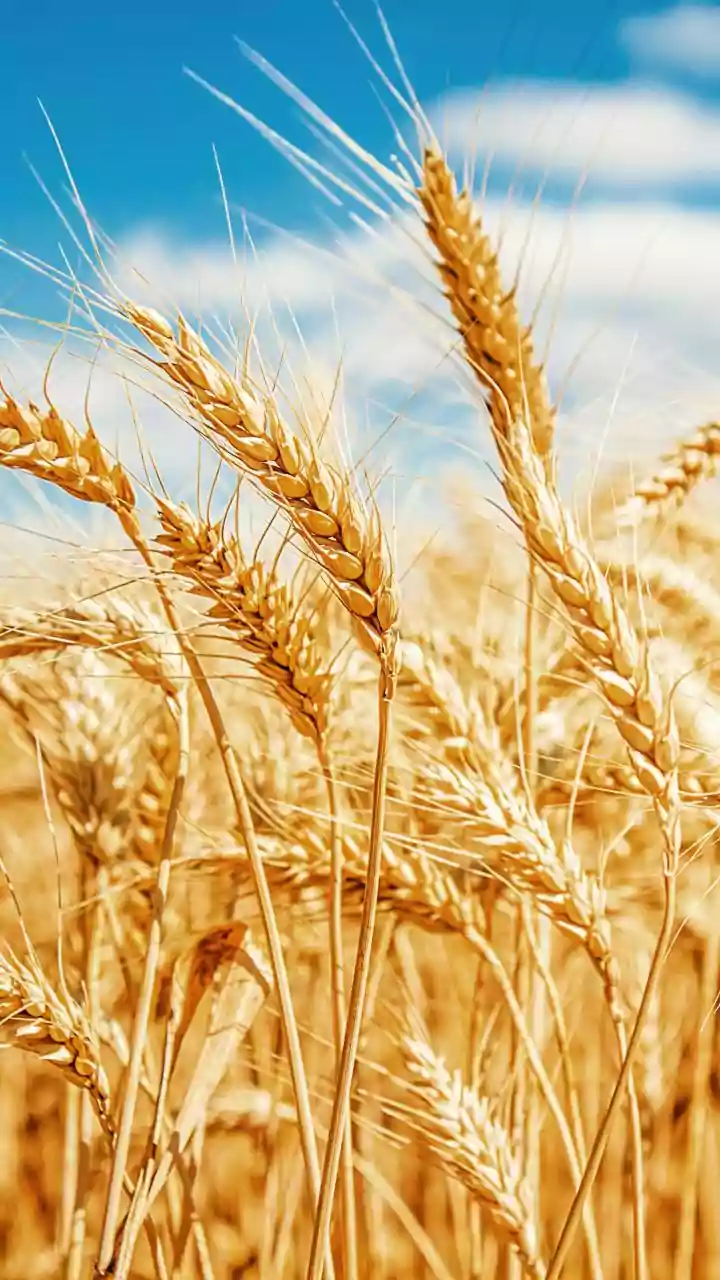
The primary Rabi crops—wheat, rapeseed-mustard, and pulses like chana—are all facing uncertainty. Wheat, the main winter staple, requires cool temperatures and adequate moisture for healthy growth. While large parts of the wheat belt in northern India are well-irrigated, lower reservoir levels could still pose a challenge. For largely rain-fed crops like gram and mustard, which are critical for pulses and edible oil supplies, the lack of soil moisture is a more immediate threat. A poor Rabi harvest, following a potentially lower-than-expected Kharif output, could strain the country's food supply chains. Experts note that a weak performance in both seasons could be a 'double whammy' for the agricultural sector.
The Broader Economic Ripple Effect
The performance of the Rabi season has implications that extend far beyond the farm gate. A reduction in crop yields could exert upward pressure on already elevated food inflation, a key concern for households and policymakers. Lower agricultural output also impacts rural incomes and consumption, which in turn can affect demand for a wide range of goods and services, from tractors to consumer durables. The government has substantial food grain reserves, which provide a buffer against immediate shortages. However, sustained production weakness could influence agricultural trade policies and necessitate higher spending on rural support schemes, adding pressure to the national budget. The coming weeks will be critical as farmers make their planting decisions based on available moisture and the outlook for winter rains.