
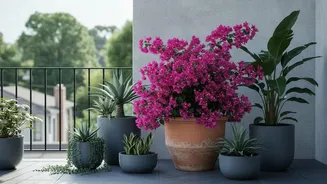
The Triple Threat to Potted Plants
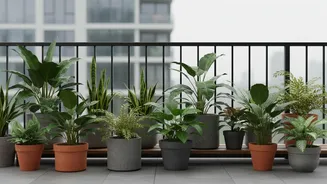
For container gardens, August presents a formidable challenge. Unlike plants in the ground, balcony pots are exposed on all sides, causing soil to heat up quickly. When this is combined with high humidity, a plant's natural cooling mechanism—transpiration—slows
down. High humidity means the air is already saturated with moisture, so leaves can't release water vapour effectively. To make matters worse, monsoon rains can saturate the pot, leading to waterlogged soil. This suffocates the roots by cutting off their oxygen supply, creating a perfect storm of stress that can lead to root rot, fungal diseases, and a swift decline.
Understanding Waterlogging Resistance
A plant described as "waterlogging-resistant" isn't one that loves sitting in a puddle. Instead, it's a plant with adaptations that allow it to tolerate low-oxygen soil for longer than others. This could mean it has a more robust root system less prone to immediate rot or that it's a tropical native simply accustomed to high moisture environments. Signs of a plant failing this test include yellowing leaves (especially lower ones), a mushy stem base, and a foul odour from the soil, all symptoms of root rot. The key to survival is not just the plant itself, but ensuring the pot has excellent drainage to prevent standing water in the first place.
Star Performers of the Monsoon Balcony
Some plants consistently pass the August balcony test, thriving in the warm, moist conditions. Jasmine (Mogra) and Hibiscus, for instance, are classic choices that flower profusely in high humidity. Foliage plants native to rainforest understories also perform exceptionally well. These include the Money Plant (Pothos), Syngonium, and Philodendron, which all see a surge in growth during the monsoon. The Spider Plant is another winner, as it tolerates a range of conditions and produces offshoots rapidly in the humid air. For a splash of colour, Balsam (Gul Mehndi) is a traditional monsoon annual that loves moisture and produces vibrant blooms.
More Resilient Greenery for Tough Conditions
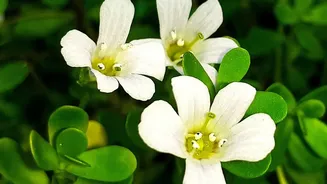
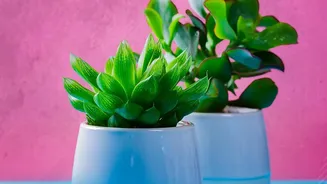
Beyond the usual suspects, several other plants demonstrate remarkable resilience. The Snake Plant is famously low-maintenance and, while it dislikes being soaked, it handles high humidity well and is forgiving of occasional overwatering if drainage is good. Similarly, the ZZ Plant is known for its low water needs but copes well with the humid air of the rainy season. For flowering options, Periwinkle (Sadabahar) is incredibly hardy, tolerating heavy rain and blooming continuously. Many ferns, which may have struggled in the dry summer heat, experience a dramatic revival, with species like the Boston Fern exploding with new growth.
Care Tips Beyond Plant Selection
Choosing the right plant is only half the battle. To ensure survival, your care routine must adapt. First and foremost, guarantee impeccable drainage. This means using pots with multiple holes and elevating them on bricks or pot feet to prevent them from sitting in runoff water. Use a light, well-aerating soil mix containing cocopeat or sand to prevent compaction. On days with heavy rain, skip manual watering entirely; always check the soil's moisture level with your finger before adding more water. Finally, ensure good air circulation between plants by not overcrowding them, which helps prevent the fungal diseases that thrive in damp, stagnant air.