







The Fading Power of the Mark Sheet
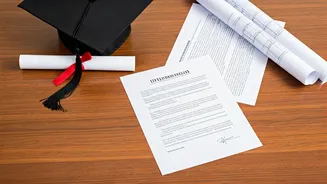
The shift from degree-based to skills-based hiring is one of the most significant recruitment trends in India. [2] Companies are finding a major disconnect between academic knowledge and the practical, real-world skills needed on day one. [4, 18] According
to an India Skills Report, the country's employability rate is just over 56%, meaning a large portion of graduates aren't job-ready despite their qualifications. [3] This skills gap is forcing employers to change their screening process. [8] They're moving away from using degrees as the primary filter and now prioritise candidates who can demonstrate tangible ability and problem-solving skills. [3, 4] While good grades still signal that a candidate is hardworking, they are no longer enough on their own. [3, 16] They might get your resume past the first scan, but they won't secure you the job.
What Exactly Is 'Proof of Work'?
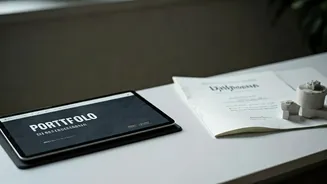
‘Proof of work’ is tangible evidence that you can do what you claim you can do. [12] It’s your professional show-and-tell, a curated collection of projects that demonstrate your skills in action. [6, 12] This is different for every field. For a software developer, it could be a GitHub repository with clean, well-documented code. [13] For a designer, it’s a portfolio on Behance or a personal website showcasing their projects. [20] A writer might present published articles, and a marketer can show case studies of campaigns they've executed, complete with metrics on their impact. [5, 12] The goal is to provide concrete examples that a hiring manager can review to assess your capabilities, building trust and credibility far more effectively than a line on a resume. [13]
Why This Shift Is Happening Now
Several factors are accelerating this trend. Rapid technological advancement means that university curricula often can't keep up with the tools and skills currently in demand, like AI and data analytics. [2, 4] In fact, 82% of Indian employers report struggling to find talent with the necessary skills. [3, 8] The rise of the gig economy and remote work has also played a part; companies are increasingly hiring for specific, project-based skills without long-term commitments. [2] Ultimately, businesses need employees who can contribute immediately with minimal training, and a strong portfolio is the best indicator of a candidate's readiness to solve real-world problems from day one. [4, 18]
How to Build and Showcase Your Work
Starting your portfolio can seem daunting, but it doesn't have to be. Begin with personal projects, internships, or even freelance work. [18] The key is to document everything. Don't just show the final product; explain the problem, your role, the process you followed, and the outcome. [5, 7] When presenting your portfolio, make it easy for recruiters to find and navigate. Add a clear link to your resume, LinkedIn profile, and email signature. [6, 10] For tech and creative roles, platforms like GitHub and Behance are standard. [20] Most importantly, tailor your submission. Don't send a generic link; guide the recruiter to the one or two case studies that are most relevant to the job you're applying for. [5] Remember, recruiters spend only a few minutes reviewing a portfolio, so make your impact immediate. [5, 19]
Is This the End for Degrees?
Not at all. A degree is still a valuable credential and often a prerequisite for many roles, especially in larger corporations during initial screenings. [3, 16] Think of it this way: your degree and marks get you through the first door and past automated tracking systems. [14] However, once a human recruiter is looking at your profile, your proof of work is what will make you stand out from other qualified candidates. [11] In a competitive market, particularly in tech and creative fields, your portfolio becomes the deciding factor that convinces a hiring manager to schedule an interview. [14, 20] Your education proves you have the foundational knowledge; your portfolio proves you can apply it.