


The Enduring Appeal of Macramé
Before we dive into makeovers, what exactly is macramé? It's the art of knotting cords or ropes into intricate patterns to create decorative items. While it saw a huge surge in popularity in the 1970s, its roots go back centuries. Today's macramé is far
more than a retro throwback; it has evolved into a sophisticated decor element. Modern artisans are creating pieces that range from minimalist and geometric to large-scale, dramatic installations. The beauty of macramé lies in its texture and handmade quality, which instantly adds warmth, depth, and a personal touch that mass-produced art often lacks. It’s a simple way to introduce organic texture into a space dominated by smooth, hard surfaces.
Why It’s a Makeover Game-Changer
The headline promises a 'quick' and 'affordable' makeover, and macramé delivers. A room transformation can happen in the few minutes it takes to hang a single piece on a nail or hook. Unlike painting, which requires prep and drying time, or buying new furniture, which involves delivery and assembly, a wall hanging provides instant gratification. In terms of affordability, the spectrum is wide. You can find small, charming pieces from local artists or online marketplaces for a modest sum, often less than the cost of a large framed print. While elaborate, room-spanning creations by famed artists can be an investment, there are countless budget-friendly options that make a significant impact without breaking the bank. This accessibility makes it a perfect choice for renters or anyone looking for a low-commitment, high-impact update.
Find a Style That Speaks to You
Not all macramé is the classic, fringed bohemian style. Understanding the different aesthetics will help you choose the right piece for your home.
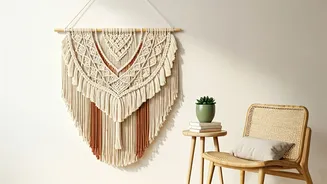
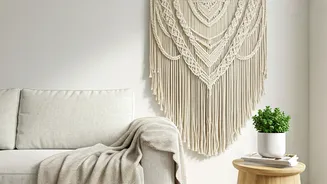
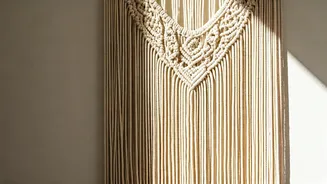
- **Boho-Chic:** This is the style most people associate with macramé. Think intricate knots, long fringe, and natural, undyed cotton. It’s perfect for creating a relaxed, earthy, and eclectic vibe.
- **Modern & Geometric:** For a more contemporary look, seek out pieces with clean lines, bold geometric shapes, and less fringe. These often incorporate elements like metal rings or wooden dowels for a structured, sculptural feel.
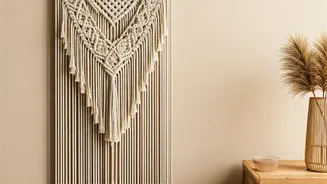
- **Minimalist:** A minimalist macramé piece focuses on simple patterns and a clean silhouette. It adds texture without adding clutter, making it ideal for serene and uncluttered spaces.
- **Colourful & Eclectic:** Don't assume macramé is always beige! Artisans use dyed cords to create vibrant, colourful pieces that can serve as a stunning focal point in a neutral room or complement an already colourful decor scheme.
Getting the Scale and Placement Right
The size of your macramé piece and where you place it are crucial. A small hanging will get lost on a large wall, while an oversized one can overwhelm a small room. As a general rule, the piece should occupy about two-thirds the width of the furniture it hangs above, like a sofa or a console table. For a large, empty wall, consider a dramatic, oversized piece to act as a central feature. A long, narrow hanging is perfect for an awkward pillar or the small wall space in an entryway. Don't be afraid to think beyond the living room; macramé makes a wonderful, soft headboard alternative in a bedroom or can add a touch of spa-like calm to a bathroom.
Beyond the Wall: Other Macramé Accents
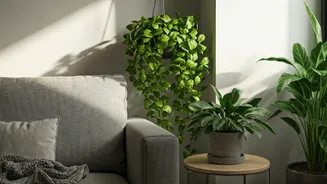
While wall hangings are the most popular choice, the art of knotting extends to other functional decor items that can contribute to your room makeover. Macramé plant hangers are an iconic way to bring greenery into your home, drawing the eye upward and freeing up floor space. You can find them in single or tiered designs to create a lush, hanging garden. Macramé shelves combine the beauty of the craft with the utility of storage, perfect for displaying small plants, books, or trinkets. Even smaller items like macramé coasters, cushion covers, or table runners can introduce that sought-after texture and handmade feel in subtle, layered ways.