


More Than Just Dust Bunnies
The space under and behind our furniture is often out of sight, out of mind. However, these hidden gaps are where dust, allergens, pet dander, and pollen accumulate. This buildup can negatively impact your home's indoor air quality, potentially triggering
allergies or respiratory issues. Regular cleaning of these areas is essential for a healthier living environment. Furthermore, dark, undisturbed spaces can become breeding grounds for pests like dust mites. By planning your furniture layout with cleaning in mind, you're not just making it easier to use a vacuum; you're actively promoting better air circulation and preventing the hidden buildup that affects your family's well-being. A thoughtfully arranged room simply feels fresher and more organised.
Strategic Placement for Your Bed
The bedroom should be a sanctuary for rest, but a dusty space under the bed can compromise its tranquility. Ideally, try to leave enough clearance on at least one side of the bed to comfortably run a vacuum or mop. A gap of a few inches between the headboard and the wall also prevents dust traps and makes it easier to retrieve fallen items. When choosing a bed frame, consider one with legs that raise it sufficiently off the floor. This elevation is a game-changer, allowing cleaning tools, including robotic vacuums, to pass underneath without issue. While under-bed storage is tempting, be mindful that it can obstruct cleaning and create more surfaces for dust to settle. If you must use it, opt for sealed containers on wheels that can be moved easily.
Sofa and Living Room Smarts
In the living room, the sofa is often the largest piece of furniture. Pushing it directly against a wall creates a narrow, hard-to-clean channel where dust and lost items gather. Interior designers recommend leaving a gap of at least 3 to 5 inches behind the sofa. This small space allows for better airflow and provides just enough room for a vacuum nozzle to pass through, preventing long-term buildup. When selecting a sofa, consider designs with raised legs over those with skirts that sit flat on the floor. This not only creates an illusion of more space but also makes floor cleaning significantly simpler. For walkways, a general rule is to maintain a path of at least 90 cm to ensure people can move freely without navigating an obstacle course.
Rethinking Cabinets and Storage
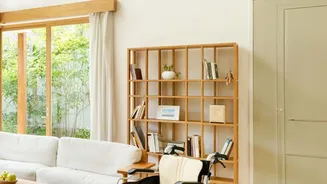
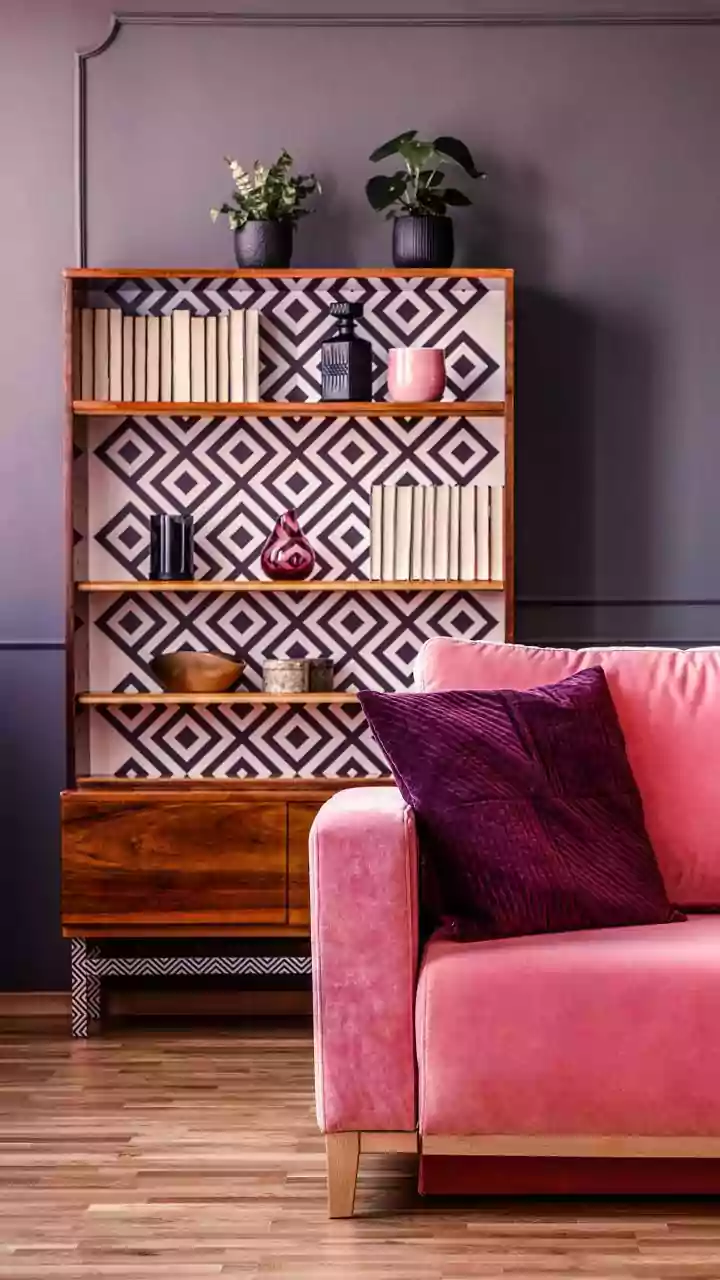
Large, heavy items like wardrobes, bookshelves, and display cabinets are rarely moved, making the spaces behind and beneath them prime real estate for dust. Wherever possible, leave a small gap between the back of the unit and the wall. For freestanding cabinets, choosing models with legs provides essential clearance for cleaning underneath. An alternative is to opt for wall-mounted or floating shelves and consoles. This approach keeps the floor entirely clear, making sweeping and mopping an uninterrupted task. It also contributes to a lighter, more modern aesthetic. The goal is to minimise surfaces that touch the floor and to avoid creating tight, awkward corners where dirt becomes trapped.
Designing a Home That Works for You
Ultimately, arranging furniture for cleaning access is about creating a home that supports your lifestyle, not one that adds to your workload. Choosing furniture with simple, clean lines can also reduce cleaning time compared to ornate pieces with many hard-to-reach details. Materials matter, too; surfaces like leather, faux leather, and sealed wood are generally easier to wipe down than intricate fabrics. By making conscious decisions during the initial setup, you reduce the friction in your cleaning routine. Small adjustments in placement can lead to significant savings in time and effort over the long run, making it easier to maintain a consistently clean and healthy home.