



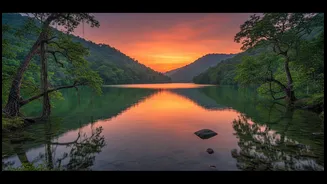


The Monsoon's Verdant Transformation
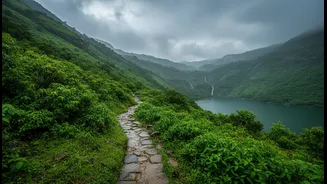
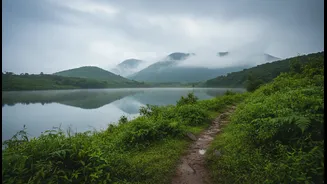
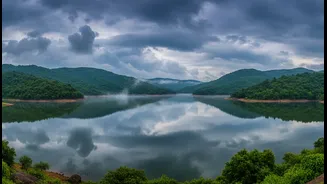
When the first rains arrive in the Western Ghats, a dramatic transformation occurs. The parched, sun-baked hills of summer disappear under a vibrant carpet of green. Dormant streams swell into roaring waterfalls, mist shrouds the highest peaks, and the entire
landscape comes alive. This is the Sahyadri range in its rawest, most powerful form. For trekkers accustomed to fair-weather trails, the monsoon presents a completely different world. It’s a season that doesn’t just change the scenery; it rewrites the trail itself, turning familiar paths into exhilarating new adventures. The air is thick with the smell of wet earth and the sounds of nature, from the chorus of frogs to the constant drumming of rain on leaves.
Where Water Meets The Way
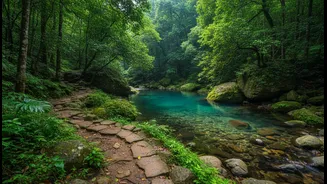
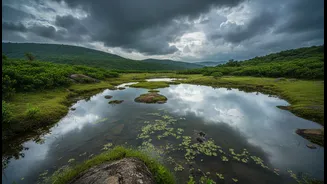
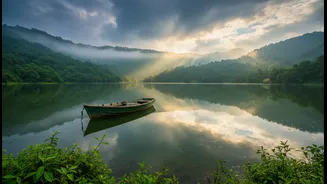
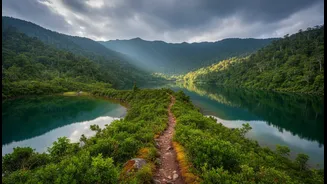
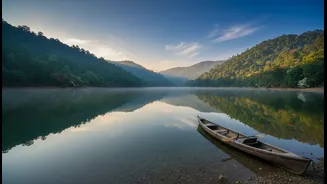
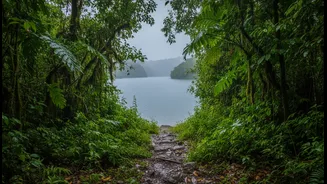
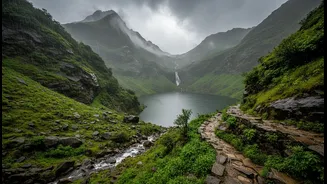
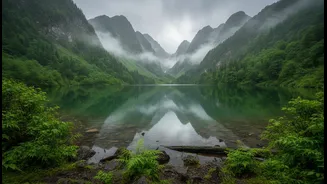
The term 'lake pass' in the Sahyadris doesn't always refer to a formal name but to a unique trekking experience: challenging routes that culminate near or pass by stunning, rain-fed mountain lakes and reservoirs. The Bhandardara region is the epicentre of this phenomenon. Treks like Ratangad, the 'Jewel Fort', offer a combination of a lakeside approach near Arthur Lake, dense forest trails, and ancient fortifications. During monsoon, the trek is moderately challenging with slippery patches and steep ascents, but the reward is panoramic views of surrounding peaks and valleys draped in clouds. Similarly, treks around the massive reservoirs created by dams like Bhira and Bhandardara offer trails that wind through thick forests before opening up to expansive water bodies, creating a powerful contrast of terrain.
The Challenge of the Trail
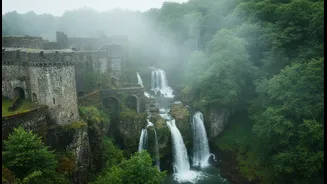
This is not trekking for the faint of heart. Monsoon conditions demand respect and preparation. Trails become slick with mud and moss-covered rocks, requiring excellent balance and high-quality footwear with superior grip. Stream crossings, which are simple dry-season hops, can become dangerous, fast-flowing torrents that require careful navigation. Visibility can drop to mere meters in an instant as thick fog rolls in, making route-finding a critical skill. Treks like the formidable Nalichi Vaat route to Harishchandragad, recommended only for the highly experienced, involve navigating steep, rocky gullies that turn into waterfalls. Even on more moderate routes like Naneghat, the strong monsoon winds can create 'reverse waterfalls', pushing water back up the cliffs in a spectacular and humbling display of nature's power.
The Experienced Trekker's Reward
So why endure the leeches, the dampness, and the demanding terrain? Because the rewards are commensurate with the challenge. The monsoon filters out the casual crowds, leaving the mountains to those who truly want to be there. The solitude is profound. You experience the Sahyadris in their most majestic and elemental state. The waterfalls are not trickles but thundering cascades, and the flora is at its most lush and vibrant. Reaching a fort like Harishchandragad and standing on the edge of the Konkan Kada, with clouds swirling hundreds of feet below you, is an experience of a lifetime. It's a profound sense of accomplishment, a connection to the raw power of nature that fair-weather trekking can rarely offer. This is adventure in its purest form.
Essential Monsoon Preparations
Success and safety on a monsoon trek hinge on preparation. Experience is paramount; these treks are not for beginners. A deep understanding of navigation, weather patterns, and first aid is crucial. Your gear must be impeccable. Waterproofing is non-negotiable: a high-quality rain jacket and pants, a pack cover, and dry bags for all electronics and spare clothing are essential. Footwear with deep lugs and excellent grip is your most important asset. A local guide is strongly recommended for difficult routes, as they possess invaluable knowledge of the terrain and changing conditions. Finally, a flexible mindset is key. Weather can change rapidly, and you must be prepared to alter plans or turn back if conditions become unsafe.