






The Monsoon's Double-Edged Sword
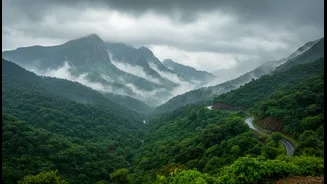
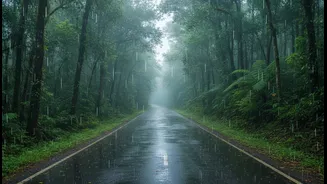
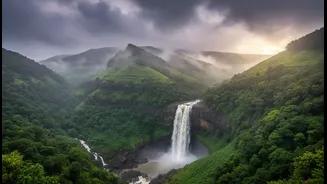
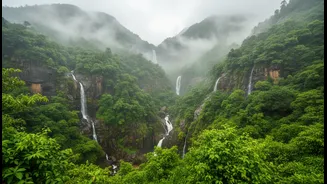
There's a certain magic to monsoon travel in India. The landscape transforms into a lush, green paradise, waterfalls appear on misty mountainsides, and the air is thick with the smell of rain-soaked earth. This season also changes the way we eat, with a craving
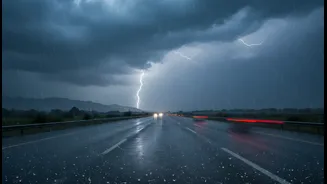
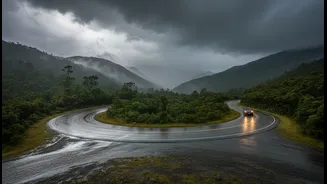
for hot, freshly fried snacks and comforting, spicy meals. However, this magic comes with significant challenges. July and August are the wettest months in most parts of the country, bringing with them the risk of floods, landslides, and major travel disruptions. Hill stations in states like Himachal Pradesh and Uttarakhand can become hazardous due to landslides, while coastal areas in Goa, Kerala, and Odisha face rough seas and cancelled services. For the unprepared traveller, a dream food journey can quickly turn into a logistical nightmare of cancelled trains, blocked roads, and shuttered restaurants.
When Culinary Dreams Meet Travel Chaos
Imagine planning a trip to the Western Ghats to savour rustic Maharashtrian food like Pithla Bhakri, only to be stranded by a landslide. Or a coastal food tour in Goa that gets washed out because all the beach shacks are closed and swimming is prohibited due to rough seas. These scenarios are all too common. Food trails, whether organised by tour companies or planned by individuals, often underestimate the monsoon's power. Itineraries are packed too tightly, leaving no room for delays. A single road blockage or a cancelled flight can throw the entire schedule off track, leaving travellers disappointed and stuck. Furthermore, food safety becomes a major concern during the monsoon, with a higher risk of water-borne diseases. Indulging in street food, a cornerstone of any Indian culinary tour, requires extra caution.
A Better Blueprint for Organizers
For tour operators, planning a successful monsoon food trail requires a shift in mindset from a rigid itinerary to a flexible, resilient framework. Building in buffer days is non-negotiable; they allow for unexpected delays without derailing the entire trip. Transparency is key: travellers should be fully informed about the potential risks and the existence of contingency plans. Instead of ambitious cross-country trails, organisers could focus on hyperlocal experiences that are less prone to disruption. For instance, city-based food festivals, like those often held in Delhi, Bengaluru or Jaipur, offer a fantastic culinary experience without the risks of long-distance travel. Collaborating with hotels that offer special monsoon menus can also provide a safe and delightful alternative when outdoor plans are rained out. The focus should be on curated, accessible, and safe culinary discoveries.
Your Monsoon Food Trail Checklist
If you're planning your own monsoon food adventure, preparation is everything. Start by researching your destination's weather patterns thoroughly. Some regions, like the rain shadow areas of Ladakh or parts of Rajasthan, receive much less rainfall and can be good alternatives. Pack smart: quick-dry clothing, waterproof footwear, a sturdy raincoat, and waterproof bags for electronics are essential. When it comes to the itinerary, be realistic. Don't overschedule your days; instead, embrace a slower pace and have backup indoor activities, like visiting a museum or taking a cooking class. Always monitor weather apps and local news for alerts on your route, not just your destination. For food, prioritise freshly cooked, hot meals, and be selective about street food, choosing vendors with high turnover. And finally, carry a basic medical kit and mosquito repellent.