




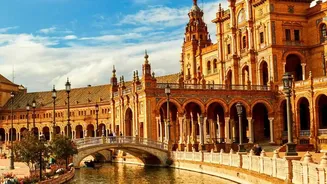
Spain evokes images of sun-drenched plazas, vibrant festivals, and architectural marvels. But its most famous destinations are often battling overtourism, leaving travellers seeking peace feeling overwhelmed. Here's how to find authentic Spain.
The Reality of Crowds
Cities
like Barcelona and coastal regions such as the Costa del Sol and the Balearic Islands have become victims of their own success. With millions of visitors arriving each year, especially from cruise ships, the result is packed streets, strained local services, and a loss of the authentic charm that made them famous in the first place. In recent years, residents in places like Barcelona, Mallorca, and Ibiza have protested against the negative impacts, from a skyrocketing cost of living to environmental pressure. For a traveller dreaming of a tranquil escape, arriving in a destination that feels more like a theme park than a living city can be a genuine disappointment. The good news is that for every crowded hotspot, Spain offers a wealth of breathtaking, calmer alternatives.
Instead of Barcelona, Try Valencia
Barcelona's Gothic Quarter and Gaudí masterpieces are world-famous, but navigating the city can be an intense experience. Just a few hours down the coast, Valencia offers a similar blend of history, culture, and seaside living at a more relaxed pace. Valencia is Spain's third-largest city, yet it feels human-scaled and significantly less congested. It boasts the stunning City of Arts and Sciences, a vast, dry riverbed transformed into a nine-kilometre-long park, and beautiful city beaches that are often considered more accessible than Barcelona's. While Barcelona delivers iconic landmarks, Valencia provides a more immersive local experience and is notably more affordable, with everything from a morning coffee to a hotel room costing significantly less.
Swap the Costa del Sol for the Costa de la Luz
The Costa del Sol is synonymous with resort-style tourism, attracting millions to its well-developed coastline. For a wilder, more authentic beach experience, head west to the Costa de la Luz, or 'Coast of Light'. Stretching from the Portuguese border towards Tarifa, this Atlantic-facing shore feels vast and untamed. Instead of high-rise hotels, you’ll find wide, golden-sand beaches backed by dunes and pine forests. The vibe here is less about all-inclusive resorts and more about appreciating the natural space and light. While the Atlantic breeze makes it slightly cooler than the Mediterranean-facing Costa del Sol, it's a welcome relief in the summer heat. It's a region that rewards those who come for space and authenticity over bustling tourist infrastructure.
Trade Ibiza's Parties for Menorca's Peace
Ibiza is globally renowned for its nightlife, but that's only part of the story of the Balearic Islands. Its sister island, Menorca, offers a completely different energy. Often called the 'quiet Balearic', Menorca is a designated UNESCO Biosphere Reserve, prized for its pristine beaches, rolling green hills, and tranquil atmosphere. Instead of worldfamous superclubs, you’ll find quaint fishing villages, historic towns like Ciutadella and Maó, and hundreds of 'calas' (coves) with crystalclear water. While Ibiza has its own quieter side, Menorca is structured around a more laidback lifestyle, making it an ideal choice for families and travellers looking to unwind completely. The island rewards a slower pace of travel, encouraging visitors to pick a beach and simply settle in.
Look Beyond Madrid to Extremadura
While Madrid pulsates with energy as Spain's capital, the vast, sparsely populated region of Extremadura to its southwest offers a journey back in time. Known as the 'land of the conquistadors', it's a place of dramatic landscapes, dense forests, and magnificent historical cities that remain largely off the mainstream tourist radar. Its capital, Mérida, boasts one of the most extensive Roman archaeological sites in Spain, including a stunningly preserved theatre and amphitheatre. The old town of Cáceres, a UNESCO World Heritage site, is a maze of cobbled streets, medieval homes, and Renaissance palaces. Extremadura is a haven for wildlife enthusiasts, particularly bird watchers, and its cuisine is famous for Iberian ham and rich cheeses. It requires more planning to navigate than most regions but offers profound rewards for those seeking solitude and history.