






The Power in Your Peels
Before you toss them, consider what’s inside your kitchen scraps. Vegetable peels from potatoes, carrots, and cucumbers are rich in essential plant nutrients like potassium and phosphorus. Potato peels in particular contain nitrogen, phosphorus, potassium,
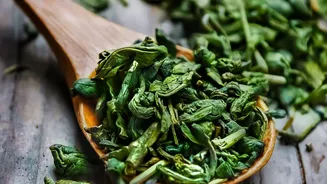
and magnesium, which support everything from root development to flowering. Similarly, spent tea leaves are a great source of nitrogen and other trace minerals that are released slowly as they decompose. Using these materials as fertilizer improves soil structure, helps the soil retain moisture, and feeds the beneficial microorganisms that keep your garden ecosystem healthy.
Method 1: Create a Liquid 'Fertilizer Tea'
One of the quickest ways to deliver these nutrients to your plants is by creating a liquid fertilizer, sometimes called a 'fertilizer tea'. This method makes the nutrients immediately available to your plant's roots. Simply collect your vegetable peels in a large container or bucket with a lid. Add water until the scraps are fully submerged and let the mixture steep for several days to a week, stirring occasionally. After steeping, strain the liquid to remove the solid peels. The resulting 'tea' will be concentrated, so it's best to dilute it with water—a ratio of one part liquid fertilizer to four or five parts water is a good starting point. You can then use this to water your plants at the base once every week or two during their growing season.
Method 2: Direct Soil Application
You can also apply your kitchen scraps directly to the soil. For spent tea leaves, simply open the tea bag (if using one, ensure it's plastic-free and remove any staples) and sprinkle the cool, used leaves on the soil around the base of your plants. This acts as a gentle, slow-release fertilizer and mulch that can also improve soil drainage and water retention. For vegetable peels, it is best to chop them into smaller pieces to speed up decomposition. You can then either mix them into your compost pile or bury them directly in your garden. If burying, dig a trench about 8-12 inches deep, add the peels, and cover them with soil. This trench composting method prevents pests from being attracted to the fresh scraps.
Tips for Success and What to Avoid
To get the most out of your homemade fertilizer, a few tips can help. Always use cooled tea leaves, as hot ones can harm your plants. When making a liquid fertilizer, avoid using meat, dairy, or oily foods, as these can create foul odors and attract unwanted pests. Some peels, like citrus, can also help deter certain pests like ants. Be mindful that while this is a fantastic natural supplement, steeping fresh scraps can sometimes create sweet smells that attract flies or other insects. Ensuring your liquid fertilizer container is covered and that you bury solid peels deep enough will help mitigate this. Using a mix of different vegetable peels will provide a broader range of nutrients for your plants.