




November’s crisp nights are an invitation to look up. But the key to unlocking the sky’s deepest secrets isn't just about knowing where to look—it’s about knowing when. This month, the moon is your celestial gatekeeper. Here's how to work with it.
The Moon: Stargazer's Friend and Foe
The
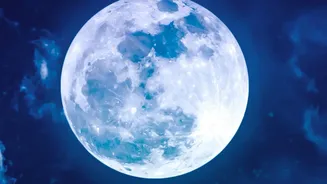
moon is the brightest object in our night sky, a beautiful sight in its own right. However, for those wanting to see faint, distant objects like galaxies and nebulae, the moon acts like a giant source of natural light pollution. Its reflected sunlight scatters throughout Earth's atmosphere, creating a skyglow that washes out fainter light. A full moon can reduce the number of visible stars by as much as 90 percent, rendering the Milky Way completely invisible. The rule is simple: the less moonlight, the more you'll see. A New Moon provides the darkest possible sky, making it the prime time for deep-sky observation.
November's Lunar Calendar
To plan your stargazing, you need to know the moon's schedule for November 2026. The darkest period of the month is the week surrounding the New Moon. Mark these key dates:
- Third Quarter Moon: November 1
- New Moon: November 9
- First Quarter Moon: November 17
- Full Moon (Beaver Supermoon): November 24
The best window for observing faint objects like star clusters and galaxies will be in the first half of the month, roughly from November 4 to November 13, when the sky will be darkest.
Meteor Showers: The Taurids and Leonids
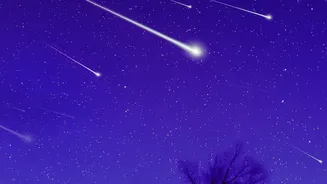
November hosts two notable meteor showers. The Taurids, active throughout the first part of the month, are known for producing a low rate of meteors—only about five per hour—but they are often exceptionally bright 'fireballs'. The Southern Taurids peak on November 5, while the Northern Taurids peak on November 12, conveniently close to the New Moon for ideal viewing conditions. The main event is the Leonid meteor shower, which peaks on the night of November 17-18. The Leonids are famous for fast, bright meteors, sometimes leaving glowing trails. This year, you can expect to see about 10 to 15 meteors per hour. The First Quarter Moon sets around midnight, leaving the best viewing hours—from about 2 a.m. until dawn—perfectly dark for the show.
Planetary Alignments and a Supermoon
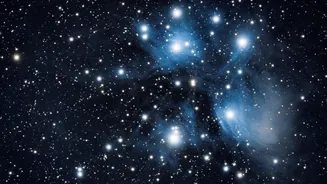
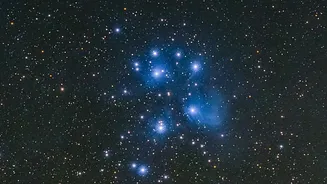
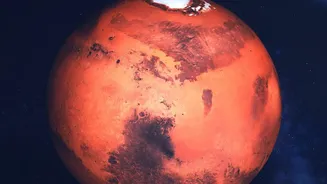
The planets are putting on a show this month as well. Look for a beautiful conjunction of Mars and Jupiter high in the sky before dawn on November 16. Later in the month, on November 25, the distant ice giant Uranus reaches opposition. This means it will be at its closest point to Earth and visible all night long, appearing as a tiny blue-green dot through a good telescope. The month closes with the Beaver Moon on November 24, which is also the second of three supermoons in 2026. While this Full Moon will flood the sky with light, making deep-sky viewing difficult, it will be a spectacular sight itself, appearing slightly larger and brighter than usual. Look for it near the Pleiades star cluster on the evening of the 24th.
Your Viewing Checklist
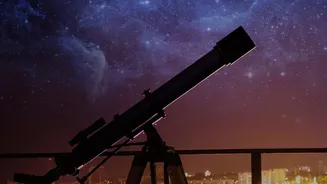
To make the most of these celestial events, a little preparation goes a long way. First, find a location away from city lights to minimize light pollution. Second, give your eyes at least 20 minutes to fully adapt to the darkness; avoid looking at your phone screen during this time. Third, while many events are visible to the naked eye, a pair of binoculars or a small telescope will dramatically enhance your view of planets, star clusters like the Pleiades, and the moon's surface. Finally, with November nights getting cooler, remember to dress in warm layers to stay comfortable while you enjoy the cosmic display.