






The Post-Monsoon Problem
Across India, the period following the monsoon withdrawal is often marked by a sharp, uncomfortable rise in temperatures, commonly known as 'October Heat'. This year has been no exception, with cities like Mumbai experiencing significant temperature spikes.
On October 9, 2026, Mumbai's Santacruz observatory recorded a temperature of 37.8°C, which was 4.7°C above normal, leading to a heatwave alert. This is not an isolated phenomenon; cities across Tamil Nadu and Kerala have also reported temperatures several degrees above their seasonal norms. This sudden return of intense heat and humidity creates a stressful environment not just for people, but for the complex mechanical and electrical systems that power urban life.
When Steel Rails Can't Stand the Heat
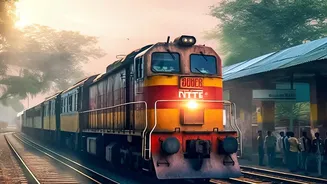
The most direct impact of this heat is on our railway networks, the lifeline for millions of commuters. Steel tracks, when exposed to direct, intense sunlight, absorb heat and expand. Without enough room to grow, the immense compressive stress can cause the tracks to bend and warp, a dangerous phenomenon known as 'track buckling' or a 'sun kink'. This distortion poses a severe derailment risk. In response, railway authorities are forced to take pre-emptive action. Recently, Central Railway in Mumbai imposed emergency 'distress blocks' near stations like Byculla, Parel, and Diva after detecting heat-induced expansion. These blocks, lasting from 15 to 45 minutes, halt or slow down train traffic to allow for safety inspections and stress-relief adjustments, leading to cascading delays and diversions across the suburban network.
The Strain on Buses and Metros
Bus services also suffer under extreme thermal stress. In cities like Nagpur, the efficiency of electric bus batteries has been observed to drop sharply during heatwaves. Buses that normally run 100 kilometres on a full charge were found to manage only around 60 kilometres, forcing them back to depots for recharging more frequently and disrupting schedules. Overheating is another major issue, affecting both traditional diesel engines and the batteries of electric buses. Furthermore, the air conditioning systems that provide crucial relief to passengers are put under immense strain. Operating continuously in stop-and-go traffic, with doors frequently opening, these systems can fail, turning a packed bus into an unbearable hotbox. While modern metro systems like Delhi's have robust cooling mechanisms and conduct pre-summer maintenance checks to ensure their AC units perform optimally, the overall transport system remains vulnerable.
A Commuter's Nightmare
For the daily passenger, these infrastructure challenges translate into a grueling travel experience. Unscheduled delays lead to overcrowded platforms and coaches, increasing the risk of heat exposure and related health issues like dehydration and heatstroke. Waiting for a bus at a stop without adequate shelter can be punishing, with ground surface temperatures in some areas reaching as high as 65°C. The cumulative effect is more than just inconvenience; it's lost productivity, heightened stress, and a significant public health risk, especially for vulnerable groups like the elderly and those with pre-existing health conditions.
Adapting to a Hotter Reality
Transport authorities are not idle. Indian Railways has standing protocols for heatwaves, including increased track patrols, monitoring rail temperatures, and in some cases, using water to cool tracks. Some zones have also installed misting systems at major stations to provide relief to waiting passengers. However, these are primarily reactive measures. The increasing frequency of these heat-related disruptions highlights a larger challenge. As climate change makes extreme heat events more common, India's urban transport networks, largely built for a milder climate of the past, will require significant upgrades. This includes not just better maintenance but also investing in heat-resilient materials and designs to ensure that our cities can keep moving, no matter how high the mercury climbs.