



Light Before the Leaf
Before you choose a single plant or a pretty pot, your first decision should be about light. For plants, light is food. It powers photosynthesis, the process that fuels their growth. Get the lighting wrong, and even the hardiest plant will struggle. Get it
right, and you’ve solved most of your future problems before they even start. An effective green corner isn't a collection of random plants, but a small ecosystem designed around a central, consistent light source. This light-first approach is the foundation for a corner that doesn’t just survive, but truly flourishes, saving you from the disappointment of drooping leaves and constant plant replacements. Think of it as choosing the location for a house before you design the rooms; the environment dictates everything.
Become a Sunlight Detective
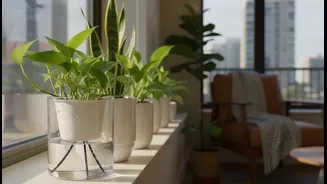
Your home already has powerful, free light sources: its windows. Understanding the quality of this light is your first step. Take a day to observe. A south-facing window typically receives the most intense light for the longest duration, making it ideal for sun-loving plants like succulents. North-facing windows offer the least direct light, perfect for plants that thrive in shade, like the ZZ Plant or Snake Plant. East-facing windows provide gentle morning sun, while west-facing windows get the strong, hot afternoon light. Don't just look at the direction; notice obstructions. A large tree or a neighbouring building can turn a bright south-facing window into a spot with only filtered, indirect light. Once you know whether you have a high-light, medium-light, or low-light area, you can make an informed decision.
The Power of Artificial Light
What if your chosen corner is far from a window, or the natural light is too weak? This is where technology offers a brilliant and reliable solution: grow lights. Modern LED grow lights are no longer the bulky, industrial lamps of the past. They are energy-efficient, produce very little heat, and are available in stylish designs that blend into your decor. The key is to choose a 'full-spectrum' light. These lights are designed to mimic the range of natural sunlight, providing the blue light that encourages leafy growth and the red light that promotes flowering. This makes them a complete substitute for the sun, giving you total control over your plant corner's environment. You can provide perfect light for 12-16 hours a day, every day, regardless of the weather or season.
Choosing Your Reliable Source
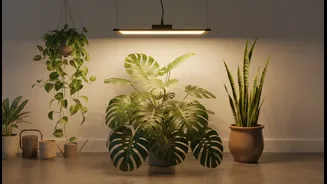
When selecting a grow light, focus on a few key things. Look for full-spectrum LED models, as they offer the best balance of light quality and energy efficiency. For a small corner, you don't need a massive setup. A single pendant bulb, a clip-on lamp, or an LED strip light tucked under a shelf can be more than enough. The light should be placed directly above the plants to mimic the sun, encouraging even growth. As a general rule, LED lights can be placed as close as 6-12 inches above your plants because they have a low heat signature. A light with a built-in timer is also a fantastic feature, allowing you to automate the daily light cycle and provide the consistency that plants crave.
Now, Select Your Plants
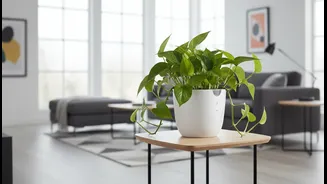
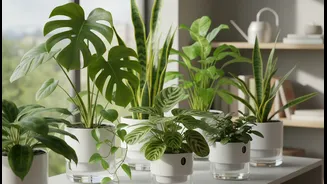
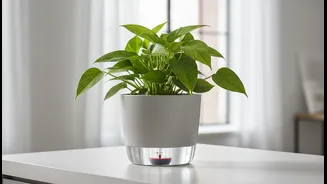
With your light source established, it’s finally time for the fun part: choosing your plants. Now, instead of guessing, you can select species that are perfectly suited to the environment you've created. For low-light corners (relying on a north-facing window or a less powerful grow light), consider hardy options popular in Indian homes like the Snake Plant, ZZ Plant, or Pothos (Money Plant). These are famously forgiving and will do well with less intense light. For medium-light spots, a Peace Lily or various Philodendrons are excellent choices. If you have a strong south-facing window or a powerful grow light, you can venture into succulents, Jade Plants, or even flowering varieties. Grouping plants with similar light and water needs makes long-term care much simpler.
Arranging Your Oasis
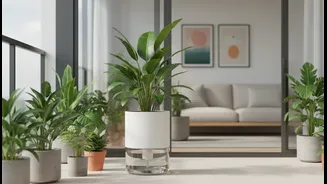
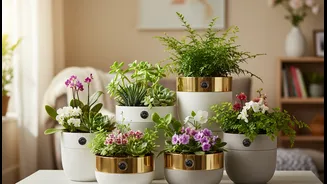
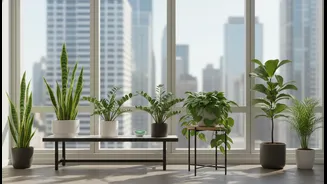
With your light source as the centerpiece, arrange your plants to create visual harmony. A common design trick is to use varying heights to create depth. Place the tallest plant in the back, fuller plants in the middle, and smaller or trailing plants at the front. Using plant stands, small tables, or shelves can help achieve this layered look, even in a small space. Consider the pots as well; using planters of a similar colour or material can unify the display and make it look intentional and stylish. The light, whether a single pendant or a strip, should be positioned to cover the entire group, ensuring every plant gets its share of energy.