






The Ruling for Equal Access
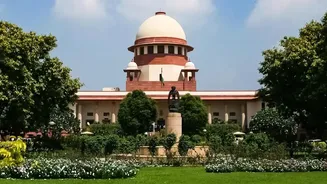
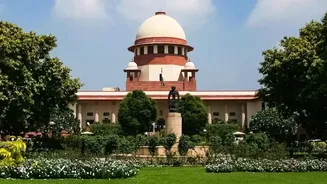
On October 6, 2026, the Supreme Court of India issued a directive with a firm deadline: by October 27, all train tickets sold at physical railway counters must include an option for travel insurance. This ruling aims to end a long-standing disparity where
the benefit of optional, low-cost insurance was only available to passengers who booked their tickets online through the IRCTC portal. The court's decision came during a hearing related to broader railway safety issues, which gained urgency after the tragic Odisha train accident in June 2023. The bench noted that it had given authorities sufficient time to create a mechanism for counter-ticket insurance and expressed its displeasure at the lack of progress.
Why This Order Was Necessary
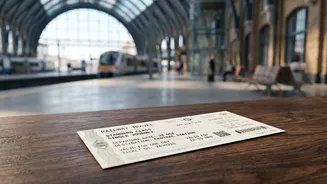
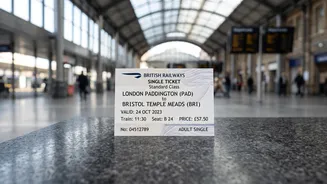
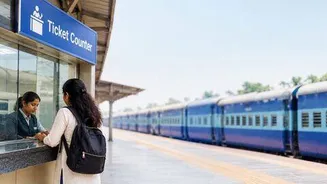
The court highlighted that a significant number of passengers, particularly from lower-income groups and remote areas, do not have access to or prefer not to use digital booking methods. These individuals, who rely on physical counters, were unfairly excluded from a crucial safety net. By limiting insurance to online e-tickets, a large segment of the travelling population, including those with wait-listed tickets purchased at counters and those in unreserved general compartments, were left without this financial protection. The Supreme Court stressed that as a public utility, the Railways has a duty to provide equal access to such safety measures for all its customers.
The Railway Board's Direct Responsibility
In its order, the Supreme Court placed the responsibility for implementation squarely on the Railway Board. The bench, comprising Justices Ahsanuddin Amanullah and R. Mahadevan, made it clear that the direction was mandatory. It stated that if there is a failure to comply by the October 27 deadline, the Railway Board will be held directly accountable. This strong stance included a warning that the court might even question if the board, as currently constituted, is 'fit to be permitted to continue in office' if substantial progress on safety measures isn't demonstrated.
What the Insurance Covers
The existing optional insurance scheme for online tickets, which will now be extended, costs a nominal premium of just 45 paise per passenger. In the event of a train accident or other untoward incident during the journey, this policy provides significant financial coverage. This includes up to ₹10 lakh for death or permanent total disability, up to ₹7.5 lakh for permanent partial disability, and up to ₹2 lakh for hospitalisation expenses. The policy also provides ₹10,000 for the transportation of mortal remains. This insurance is separate from and in addition to the compensation that the Railways is liable to pay under the Railways Act.
What This Means for Passengers
For millions of passengers who buy tickets at railway station counters, this order is a major step towards greater financial security. From October 27, they should have the same option to secure their journey as online users. This move is expected to make travel insurance more inclusive and accessible, providing a crucial safety net in case of unforeseen events. While the implementation details are being worked out by the Railway Board, passengers planning to buy tickets from counters should be aware of this new provision and inquire about the insurance option at the time of purchase. The ruling reinforces the principle that essential services and safety measures should not be dependent on a passenger's mode of booking.