




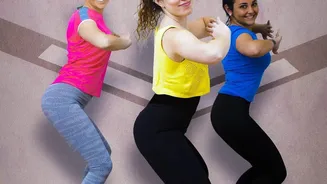


The clanking of weights was once the soundtrack of a male-dominated corner of the gym. Today, that soundscape is changing as more women and older adults embrace resistance training, not for aesthetics, but for a more vital goal: a long, healthy life.
A Cultural Shift to Functional Fitness
There’s a quiet revolution happening in fitness. The focus is shifting away from purely chasing a certain look or logging endless hours on a treadmill. Instead, a growing number of people are asking a more practical question: Is my workout making my actual life better? For women and older adults, the answer is increasingly found in resistance training. This form of exercise, which involves working your muscles against a force like weights, bands, or your own bodyweight, is being recognised as a cornerstone of longevity and daily capability. The trend reflects a broader move towards valuing strength for what it enables you to do — carry groceries, lift a grandchild, climb stairs without losing your breath, and maintain independence for longer.
For Women: Building a Resilient Framework
For years, many women were led to believe that lifting heavy weights would make them 'bulky'. That myth has been thoroughly debunked. Today, women are embracing strength training for its profound health benefits that are especially crucial throughout different life stages. A primary benefit is building and maintaining bone density. Women are particularly susceptible to osteoporosis, a condition of weakening bones, as they age and go through menopause. Research consistently shows that resistance training can slow bone loss and even stimulate new bone growth, significantly reducing fracture risk. Beyond the skeleton, building lean muscle boosts metabolism, helps regulate hormones, and improves mental health by releasing mood-boosting endorphins.
For Older Adults: The Key to Independence
For older adults, the stakes are even higher. Age-related muscle loss, known as sarcopenia, is a primary reason why mobility declines and the risk of falls increases. Studies show about 30% of adults over 70 have difficulty with daily movements like walking or getting out of a chair. Resistance training is the most effective intervention to combat this decline. By building and maintaining muscle mass, seniors can dramatically improve their strength, balance, and coordination, which directly translates to a lower risk of falls and related injuries. Furthermore, the benefits extend to cognitive health. Research has found that resistance training can enhance brain functions like memory and attention, helping to keep the mind sharp and preserve independence in later life.
Strength You Can Use Every Day
The beauty of resistance training is its direct application to real-world activities. This is often called 'functional fitness'. A squat mimics the movement of sitting and standing. A farmer's walk, where you carry weights in each hand, builds the grip strength and core stability needed to carry heavy shopping bags. A deadlift trains the body to safely lift heavy objects from the floor. These exercises strengthen the body as an integrated system, rather than isolating individual muscles. The goal isn't just to be 'gym strong' but 'life strong', equipping your body to handle daily tasks with greater ease and a much lower risk of injury.
How to Get Started Safely and Effectively
The idea of starting a resistance training programme can be intimidating, but it doesn't have to be. It’s not about lifting massive weights from day one. You can begin with just your bodyweight, using exercises like squats, pushups, and planks. Resistance bands are another excellent and lowimpact starting point. As you get stronger, you can gradually introduce light free weights or weight machines. The key is consistency and proper form. Seeking guidance from a qualified physical therapist or certified personal trainer can be invaluable, especially for older adults or those with preexisting conditions. They can create a safe, effective programme tailored to your individual fitness level and goals, ensuring you build strength without risking injury.