






The Silent Threat to Your Balcony Oasis
For anyone cultivating a green space in a small urban environment, the joy of watching plants flourish is immense. However, every drop of water that nurtures your garden is a potential risk. Without proper protection, water from overflowing saucers, routine
watering, and rain can seep into the concrete or wood of your balcony. Over time, this moisture accumulation can lead to cracking, spalling, mould growth, and even structural damage to your building. This is not just an aesthetic issue; it can result in expensive repairs and disputes with neighbours or building management. The very act of caring for your plants could inadvertently be harming your home.
Enter Modular Waterproofing
Traditionally, waterproofing a balcony was a major construction job, often involving messy liquid membranes or permanently installed surfaces. For renters or those in small apartments, this was rarely a practical option. Today, a new category of modular solutions has emerged, designed specifically for these challenges. These systems are essentially interlocking components that create a protective, waterproof layer over your existing balcony floor. The 'modular' aspect means they are easy to install, remove, and reconfigure without special tools or permanent adhesives, making them perfect for temporary or small-scale applications.
Exploring Your Options
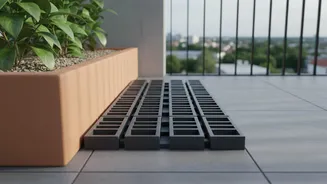
Modular waterproofing comes in several user-friendly forms, most commonly as interlocking tiles. These tiles snap together to create a raised, durable surface. Many are made from high-quality plastic, composite materials, or even natural woods like acacia set on a plastic base. The key feature is the design: the tiles sit on a base that allows water and air to circulate underneath. Any overflow from pots or rainwater simply drains through the gaps between the slats and flows away, directed by the slight, often imperceptible, slope of the balcony itself, preventing water from pooling and sitting against the surface.
Key Features and Benefits
When choosing a modular system, look for a few key attributes. A non-slip surface is crucial for safety, especially in wet conditions. UV resistance will prevent the tiles from degrading or fading in the sun. The primary benefit is, of course, protection. By elevating your pots and flooring, you create an air gap that allows the balcony surface to dry completely, preventing stains and moisture damage. These systems turn your entire balcony floor into one large drainage tray. Furthermore, they offer an instant aesthetic upgrade, covering old, stained concrete with a clean, uniform look available in various styles, from wood-grain to stone texture.
Simple Steps for a Dry, Happy Balcony
Implementation is straightforward. First, thoroughly clean your balcony surface. Then, simply start in one corner and begin clicking the interlocking tiles into place. They can often be cut with a basic saw to fit around railings or odd corners. While these tile systems are a fantastic line of defence, you can enhance protection by using saucers under your pots to catch the initial overflow. For added peace of mind, consider using pot risers or 'feet' to lift your planters slightly off the tiles, further improving air circulation and preventing any grit from trapping moisture. Regular cleaning is as simple as sweeping or hosing down the surface, as dirt and debris will wash through the gaps.