





The Anatomy of 'Desk Slump'
That slumped posture so many of us develop from long hours at a computer isn't just a bad habit; it's a physical response to a state of imbalance. When you sit for prolonged periods, your hip flexors, the muscles at the front of your hips, become short
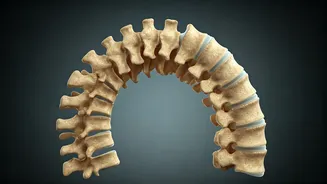
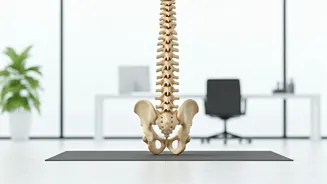
and tight. Simultaneously, the opposing muscles—your glutes and hamstrings—become lengthened and weak from underuse. This pulls your pelvis out of alignment, causing your lower back to ache and your shoulders to round forward, creating a classic slouched C-shape in your spine. Over time, this can lead to chronic back pain, neck stiffness, and even reduced lung capacity.
Bridge Pose: A Targeted Antidote
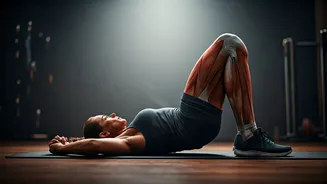
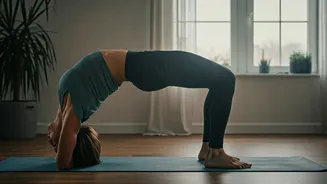
Enter Setu Bandhasana, or Bridge Pose. This gentle backbend is highly recommended because it directly counters the muscular imbalances caused by sitting. The pose works by strengthening the entire back side of your body (the posterior chain), including your glutes, hamstrings, and spinal muscles. While strengthening your back, it simultaneously opens up the front of your body, stretching the tight hip flexors and expanding the chest and shoulders. This dual action of strengthening and stretching makes it an incredibly efficient way to restore postural balance.
How to Perform Bridge Pose
Performing Bridge Pose correctly is key to reaping its benefits. Follow these simple steps: 1. Lie on your back with your knees bent and your feet flat on the floor, about hip-width apart. Your feet should be close enough to your sitting bones that you can just about touch your heels with your fingertips. 2. Place your arms alongside your body with your palms facing down. Press them gently into the mat for stability. 3. On an inhale, press firmly through your feet and begin to lift your hips off the floor, rolling your spine up vertebra by vertebra. 4. Squeeze your glutes and engage your inner thighs to prevent your knees from splaying outwards. Aim to create a straight line from your shoulders to your knees. 5. For a deeper chest opening, you can roll your shoulders underneath you and clasp your hands together on the mat, pressing your arms down. 6. Hold the pose for 30 to 60 seconds, breathing steadily. Keep your neck neutral and your gaze toward the ceiling. 7. To release, unclasp your hands if you have them bound, and slowly roll your spine back down to the floor on an exhale.
Common Mistakes and How to Fix Them
To get the most out of the pose and avoid strain, watch out for these common errors: * **Letting your knees fall open:** This puts pressure on the knee joints and reduces the work in your glutes. To correct this, imagine squeezing a block between your thighs. * **Lifting too high:** Over-arching your back can cause compression in the lumbar spine. Focus on engaging your glutes to lift your hips, maintaining a straight line from knees to shoulders rather than aiming for maximum height. * **Putting pressure on your neck:** Your shoulders and feet should bear the weight. Keep your neck relaxed and avoid turning your head while in the pose. * **Forgetting to engage your core:** While it's a backbend, engaging your abdominal muscles helps support and protect your lower back.
Making Bridge Pose Part of Your Routine
Consistency is more important than intensity. You don't need a full hour of yoga to feel the benefits. Try incorporating Bridge Pose into your day with a few short breaks. After a long meeting or an hour of focused work, take five minutes to lie on the floor and perform the pose two or three times. For a more restorative version, especially if you're feeling tired or have lower back tension, you can place a yoga block or a firm cushion under your sacrum (the flat, bony part at the base of your spine) for support. This allows you to relax into the chest-opening and hip-stretching benefits without muscular effort.