






The Psychology of Festive Failure
Many of us have been there. You start a festival with strong resolve, determined to avoid fried snacks and sugary sweets. But then comes the 'What-the-Hell Effect', a real psychological phenomenon. Once you have one 'forbidden' treat, your brain says,
'Well, the diet is ruined anyway, might as well enjoy everything'. This all-or-nothing thinking is a primary reason restrictive diets fail spectacularly during celebrations. The intense focus on avoidance often increases cravings for those very foods, setting you up for a cycle of restriction, craving, and overindulgence. It’s not a lack of willpower; it's a flawed strategy colliding with human nature.
When Food Is More Than Fuel
In India, festive food is deeply woven into the fabric of culture, emotion, and connection. A ladoo from a neighbour isn't just sugar; it's a token of affection. Refusing a home-cooked speciality can feel like rejecting hospitality. Diets that demand you say 'no' to these moments ignore the social and emotional weight of food. They create stress and guilt around what should be joyful experiences. This is why healthy eating during festivals isn't about complete avoidance, but about finding a balance that honours both your health goals and cultural traditions.
What 'Balanced Fitness' Really Means
Balanced fitness isn't a new, trendy diet. It's a holistic lifestyle approach that combines nutrition, movement, and mindfulness. Unlike a short-term diet focused on restriction, balanced fitness is about long-term well-being. It recognizes that health has many pillars: what you eat, how you move your body, your sleep quality, and your mental state. A key principle is that you cannot out-exercise a consistently poor diet, nor can perfect eating completely replace the benefits of physical activity. The goal is a sustainable routine where both nutrition and exercise work together to support your overall health.
Eat Mindfully, Not Miserably
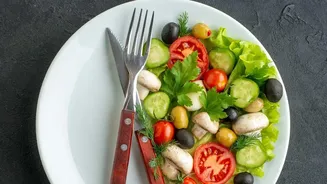
Instead of forbidding foods, a balanced approach encourages mindful indulgence. Don't skip meals to 'save' calories for a big dinner; this often leads to overeating because you arrive famished. Instead, eat a small, protein-rich snack before a party. When you're at the feast, use a smaller plate and fill half of it with vegetables or salad first. Choose the one or two special dishes you truly love and savour them. Put your fork down between bites and engage in conversation. This gives your brain time to register that you're full, preventing that post-meal slump.
Move with Joy, Not Guilt
Exercise during the festive season shouldn't feel like punishment for eating. Reframe it as part of the celebration. Instead of forcing a gruelling gym session, make movement a natural part of the festivities. Go for a brisk family walk after a meal, have a dance-off at a family gathering, or do a few stretches in the morning to energise your day. Even short bursts of activity, like 10-15 minutes a few times a day, can boost your metabolism, improve your mood, and help manage stress. The focus is on staying active and feeling good, not on burning a specific number of calories.