







The Golden Rule: What is the DGCA Passenger Charter?
Before you get to the specifics, it’s crucial to know who makes the rules. In India, passenger rights are governed by the Directorate General of Civil Aviation (DGCA) through its Civil Aviation Requirements (CAR). These aren't just suggestions; they are legally
binding rules that every airline operating in India must follow. These regulations, often summarised in a document called the Passenger Charter, cover everything from denied boarding and cancellations to significant delays. The key takeaway is that airlines owe you a duty of care and, in many cases, financial compensation, depending on the circumstances.
Question 1: My flight is cancelled. What are my options?
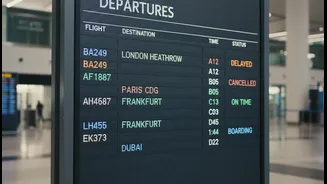
If your airline cancels your flight, the first question to ask is about your immediate choices. According to DGCA rules, the airline must offer you a choice between two things: an alternate flight to your destination or a full refund of your ticket. You are entitled to choose what works best for you. If the airline informs you of the cancellation less than 24 hours before departure, you may also be entitled to financial compensation on top of the refund or rebooking. This compensation can range from ₹5,000 to ₹10,000, depending on the flight's scheduled duration. It is important to note, however, that this financial compensation is usually not applicable if the cancellation was due to "extraordinary circumstances" beyond the airline's control, such as severe weather or major air traffic control restrictions.
Question 2: My flight is delayed. Am I entitled to meals and a hotel?
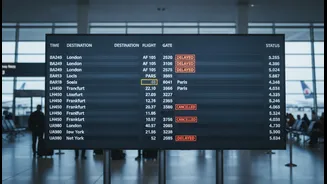
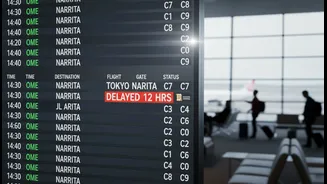
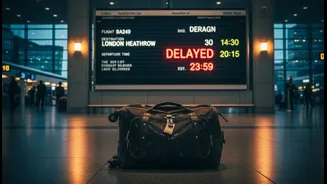
For delays, your rights kick in after a certain amount of waiting time. If your flight is delayed by two hours or more, you should ask the airline for free meals and refreshments. This is a mandatory provision, regardless of the reason for the delay, even bad weather. If the delay becomes an overnight wait, or stretches beyond six hours for flights scheduled between 8 p.m. and 3 a.m., your next question should be about accommodation. Airlines are required to provide a hotel stay and transport between the airport and the hotel in these situations. For domestic flights delayed by over six hours, you also have the right to opt for a full refund if you decide not to travel.
Question 3: I was denied boarding on an overbooked flight. What is my compensation?
Overbooking is a legal practice in India, but if you are involuntarily denied boarding despite having a confirmed ticket and checking in on time, you are protected. The airline must first ask for volunteers to give up their seats in exchange for benefits. If you are bumped off against your will, you should immediately ask for your compensation. The DGCA mandates significant financial payment in these cases. If the airline arranges an alternate flight that departs within 24 hours of your original one, you are entitled to 200% of your one-way base fare plus fuel charge, capped at ₹10,000. If the alternate flight is more than 24 hours later, that compensation doubles to 400%, with a cap of ₹20,000. This compensation is in addition to a full refund if you choose not to take the alternate flight.
Question 4: How do I make a claim or complain?
When an airline doesn't provide what you're owed, knowing how to escalate is key. Your first step should always be to address the issue with the airline's staff at the airport. If you are denied boarding or your flight is cancelled, the airline must give you a written notice explaining your rights to compensation. If you are not satisfied with the on-ground response, you should file a formal complaint through the airline's official channels. If that still doesn't resolve the issue, you can escalate your grievance through the government's AirSewa portal or app. It is also your right to approach consumer courts for deficiency in service, as the DGCA compensation is considered immediate relief and not necessarily a cap on what you can claim.