



A Clash of Worlds, A Perfect Match
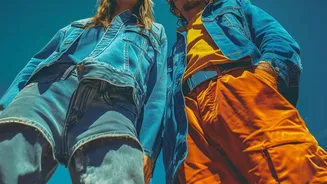
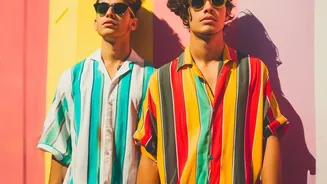
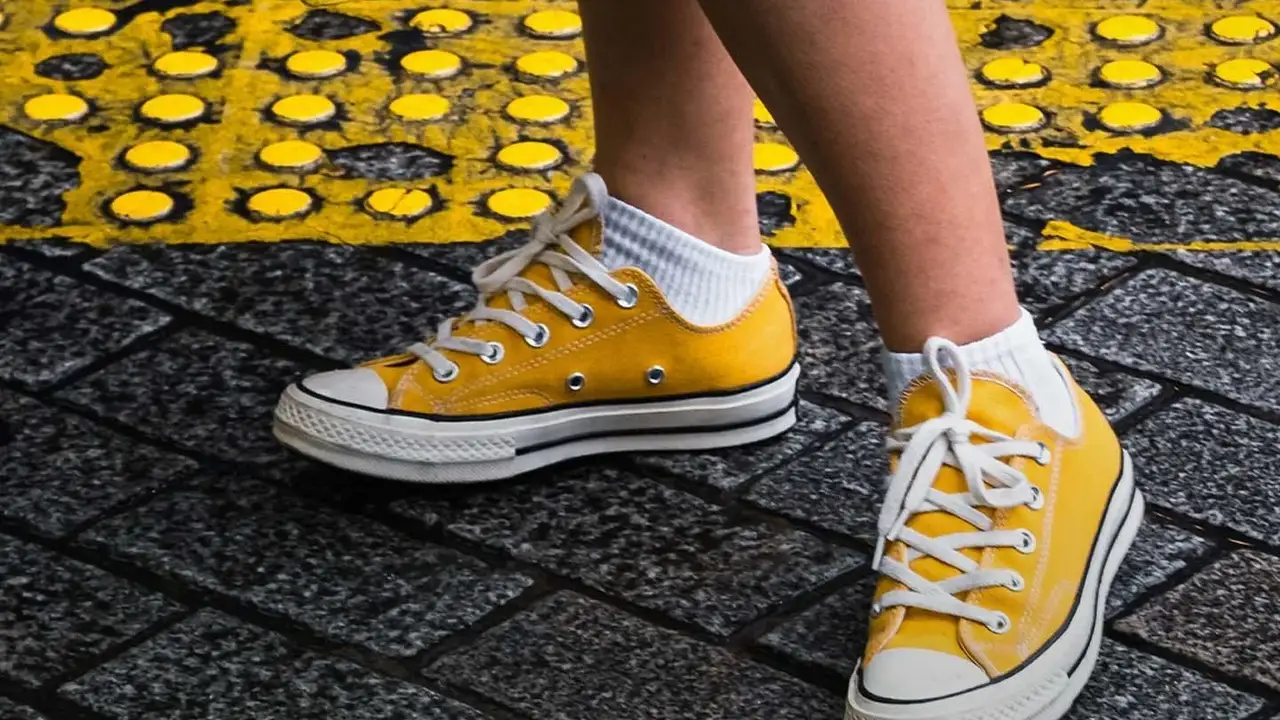
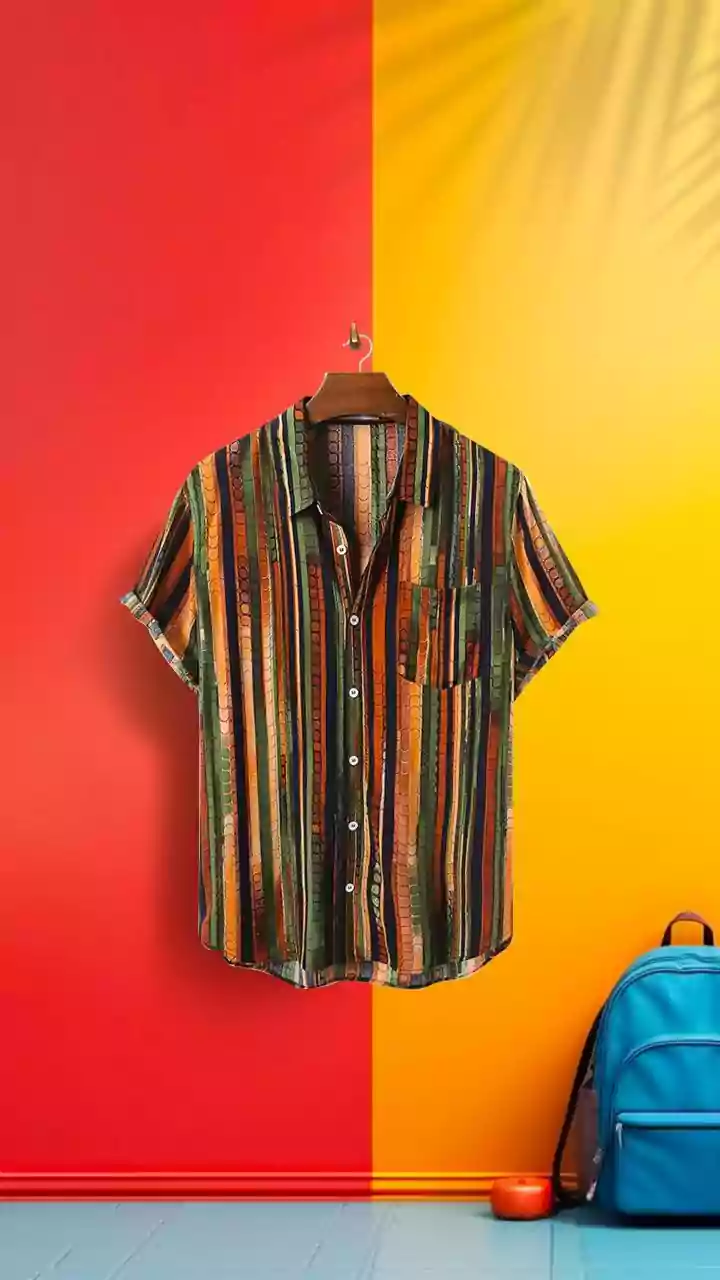
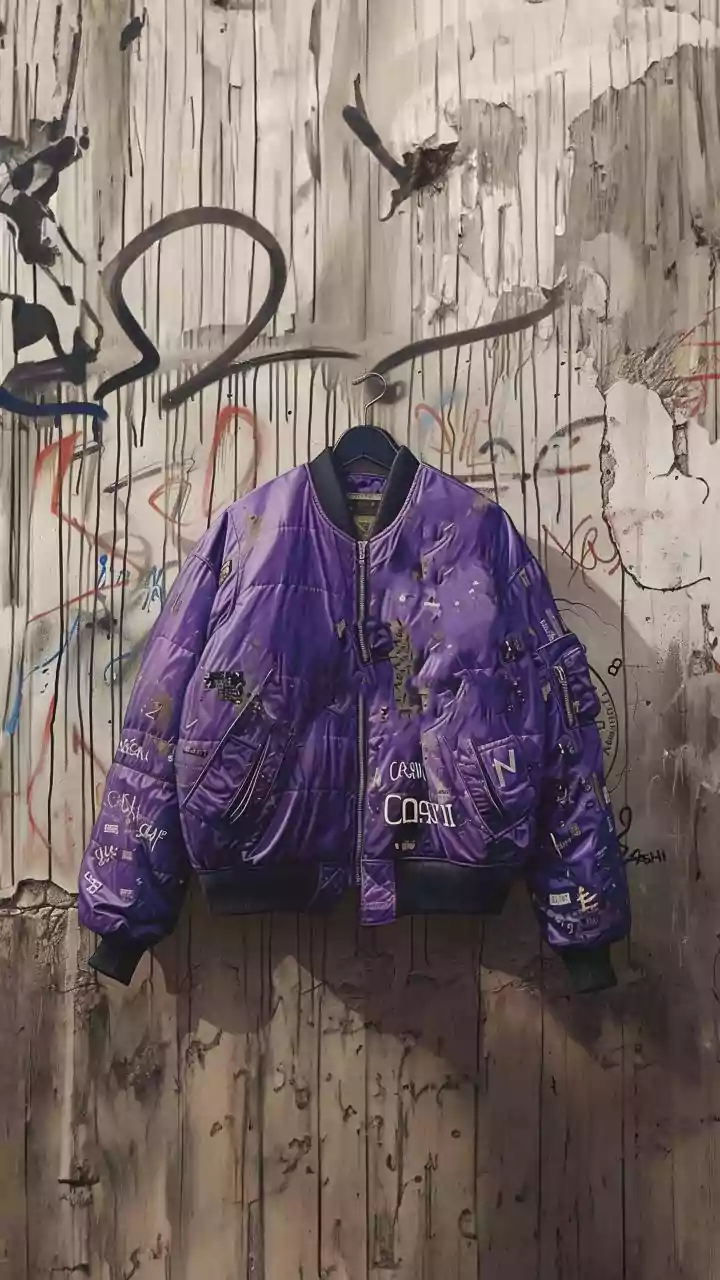
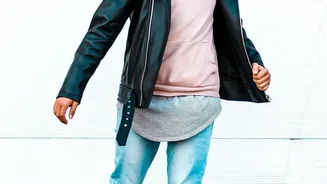
Walk through the trendiest urban neighbourhoods and you might notice something different. The familiar shapes of streetwear—bomber jackets, oversized hoodies, relaxed trousers, and bucket hats—are being reimagined. Instead of synthetic materials, they
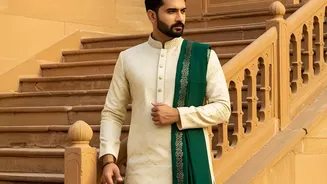
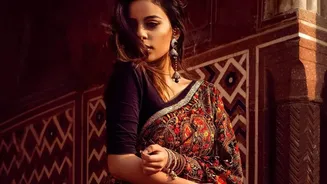
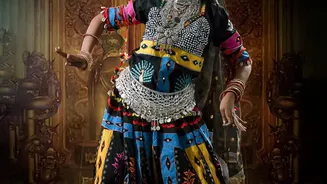
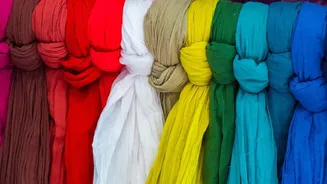
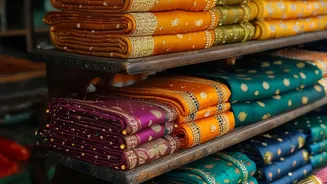
are now crafted from fabrics that tell a story: the unmistakable texture of Khadi, the geometric dance of Ikat, or the delicate weave of Jamdani. This isn't about slapping a traditional print on a T-shirt. It's a deeper integration, where the fabric itself becomes the hero, blending centuries of heritage with modern, edgy silhouettes. Brands both big and small are discovering that these textiles offer something mass production cannot: a unique identity and a compelling narrative.
The Gen Z Quest for Authenticity
A major driver of this trend is a generational shift in values. Young consumers, particularly Gen Z, are increasingly turning away from the generic, homogenous offerings of fast fashion. They are seeking clothes that mean something, that connect to a culture and a story. Handloom fabrics deliver this in spades. Each thread carries the legacy of a specific region, a community of artisans, and techniques passed down through generations. For a generation that uses fashion for self-expression, wearing a piece of handloom streetwear is a powerful statement. It signals a connection to one's roots while embracing a contemporary global aesthetic, creating a unique style that no algorithm can replicate.
Sustainability as a Style Statement
Beyond aesthetics, the conversation around sustainability is now central to fashion. Handloom production is inherently sustainable. It uses minimal to no electricity, relies on natural fibres like cotton and silk, and often employs natural dyes, significantly reducing the carbon footprint and chemical pollution associated with industrial textile manufacturing. As consumers become more conscious about where their clothes come from, the demand for ethically produced items has soared. Streetwear, a genre historically driven by hype and constant 'drops', is finding a new form of credibility and appeal by aligning with the principles of slow fashion. Choosing a handloom garment is no longer just a style choice; it's a vote for environmental responsibility and mindful consumption.
From Rural Looms to Urban Runways
This trend is creating a vital economic bridge between urban design studios and rural artisan clusters. Designers are collaborating directly with weavers, ensuring the preservation of heritage skills while providing a crucial source of livelihood. This partnership is mutually beneficial. Artisans gain access to a new, dynamic market that appreciates their craft, while designers get to work with exclusive, high-quality textiles that elevate their collections. These collaborations are helping to revitalise an industry that has at times been threatened by industrialisation, proving that tradition and modernity can not only coexist but also enrich one another.
Is This a Lasting Movement?
While fashion trends are notoriously fickle, the fusion of streetwear and handloom appears to have deeper roots. This isn't just a fleeting aesthetic; it's a reflection of a broader cultural and ethical shift. The movement champions individuality over mass trends, sustainability over disposability, and cultural appreciation over appropriation. By giving traditional textiles a relevant, contemporary platform, designers are ensuring that these crafts are not relegated to museums or festive occasions. Instead, they are being woven into the very fabric of modern, everyday Indian identity, ensuring their survival and relevance for a new generation.