


The Modern Kitchen's Dilemma
In cities across India, the pace of life has accelerated dramatically. Longer work hours, daily commutes, and the rise of nuclear households have created a significant gap between the desire for traditional, home-cooked food and the time available to
prepare it. For generations, recipes for complex dishes like biryani, rich dals, or elaborate curries were passed down, requiring hours of soaking, grinding, and slow cooking. Today, these time-onoured practices clash with the realities of modern schedules, leaving many to rely on quicker, often less satisfying, alternatives. This created a distinct need: a way to enjoy authentic Indian flavours without the laborious, time-intensive process that traditionally defined them.
The Convenience Revolution Arrives
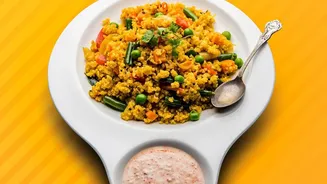
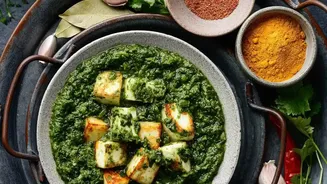
Enter the booming ready-to-cook (RTC) and ready-to-eat (RTE) market. Shelves in supermarkets and online stores are now filled with products that were once unimaginable. Brands like MTR Foods, a pioneer in the segment, offer everything from three-minute upma and poha mixes to complex curries like Paneer Butter Masala that are ready with just a few minutes of heating. Startups like iD Fresh Food have captured the market with high-quality, preservative-free idli and dosa batter, solving a major pain point for South Indian households. This category has seen explosive growth, with the ready-to-cook segment in India expanding by 58% in 2024 alone as millions of households embrace the ease it offers. The market is not just limited to metros; it is rapidly expanding into Tier-2 cities as well.
It’s About More Than Just Saving Time
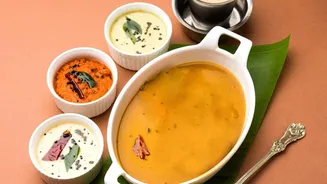
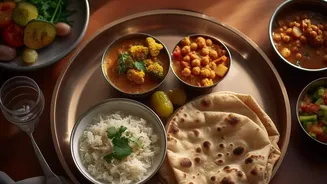
This trend is more than a simple matter of convenience; it’s a cultural bridge. For young professionals living away from home, students in hostels, or even couples setting up their first kitchen, these products offer a taste of home that would otherwise be out of reach. They are helping to keep culinary traditions alive by making them accessible. A person who has never made sambar from scratch can now enjoy an authentic-tasting version, thanks to a ready-made mix or a heat-and-eat pouch. This availability of region-specific dishes, from Kanda Poha to Gujarati Dal, ensures that the diversity of Indian cuisine is celebrated and preserved, not diluted. Some companies see their role as being a 'helper' in the kitchen, allowing the home cook to still feel involved in the meal preparation process, which has driven the popularity of RTC products over fully prepared RTE meals.
The Question of Authenticity and Health
Of course, the rise of convenience foods brings a healthy dose of skepticism. Can a packaged meal truly replicate the taste and nuance of a freshly prepared dish? Early versions of these products often had a reputation for being bland or laden with preservatives. However, the industry has evolved significantly. Brands are now heavily focused on 'clean labels' and preservative-free options to win consumer trust. Companies are using advanced packaging like retort technology and improved cold chain infrastructure to ensure freshness and extend shelf life without relying on artificial additives. While some purists argue that the subtleties of flavour can be lost, many brands are succeeding in striking a balance, delivering products that are both convenient and remarkably close to the authentic, home-cooked ideal.
Technology and Trust Fueling Growth
The success of this market is heavily reliant on technology and innovative business models. For a company like iD Fresh Food, which operates on a zero-inventory model to ensure freshness, technology is the backbone of its distribution network. Predictive analytics help determine exactly how much product to send to each store daily, minimizing waste. This focus on trust extends to customers, too. iD famously launched unmanned 'Trust Shops' in residential complexes, allowing customers to take products and leave the money in a box, a move that built immense brand loyalty. Combined with the rise of quick commerce platforms, it’s now possible to get the ingredients for a traditional meal—or the meal itself—delivered in minutes, a level of convenience that is fundamentally reshaping how India eats.