








Why Humidity Wreaks Havoc on Skin and Scalp
During the monsoon, the air becomes saturated with moisture. This high humidity slows down the evaporation of sweat from your skin. [12] This lingering moisture, combined with your skin's natural oil (sebum), creates that sticky, greasy layer. [12] For
those with already oily skin, the problem can intensify. The humid conditions can signal the sebaceous glands to produce even more oil, leading to clogged pores, breakouts, and a constant shiny appearance. [3, 4] Similarly, the scalp can become excessively oily, making hair feel limp, heavy, and prone to issues like dandruff. [2, 15]
Discipline Starts with Cleansing
The first rule of monsoon discipline is to cleanse effectively but gently. While it's tempting to wash your face multiple times a day, over-washing can strip the skin of its natural oils, causing a 'rebound' effect where it produces even more sebum to compensate. [6, 9] Stick to washing your face twice daily with a mild, gel-based cleanser. [7] Look for products containing salicylic acid or tea tree oil, which help control oil and prevent acne without being overly harsh. [6, 19] For your hair, washing every other day or 2-3 times a week with a gentle, purifying shampoo is often sufficient to manage an oily scalp without causing dryness. [2, 11]
Embrace Lightweight Hydration
A common mistake people with oily skin make is skipping moisturiser, especially in humid weather. [5, 8] This is counterproductive; dehydrated skin can also overcompensate by producing more oil. [9] The key is to switch to lightweight, non-comedogenic (non-pore-clogging) formulas. [9] Gel-based or water-based moisturisers are your best friends during the monsoon. [7] Ingredients like hyaluronic acid provide hydration without heaviness, while niacinamide is a powerhouse for regulating oil production and strengthening the skin barrier. [7, 21] For your hair, use a lightweight conditioner and apply it only to the lengths and ends, avoiding the scalp to prevent a greasy buildup. [15]
Don't Neglect Your Scalp
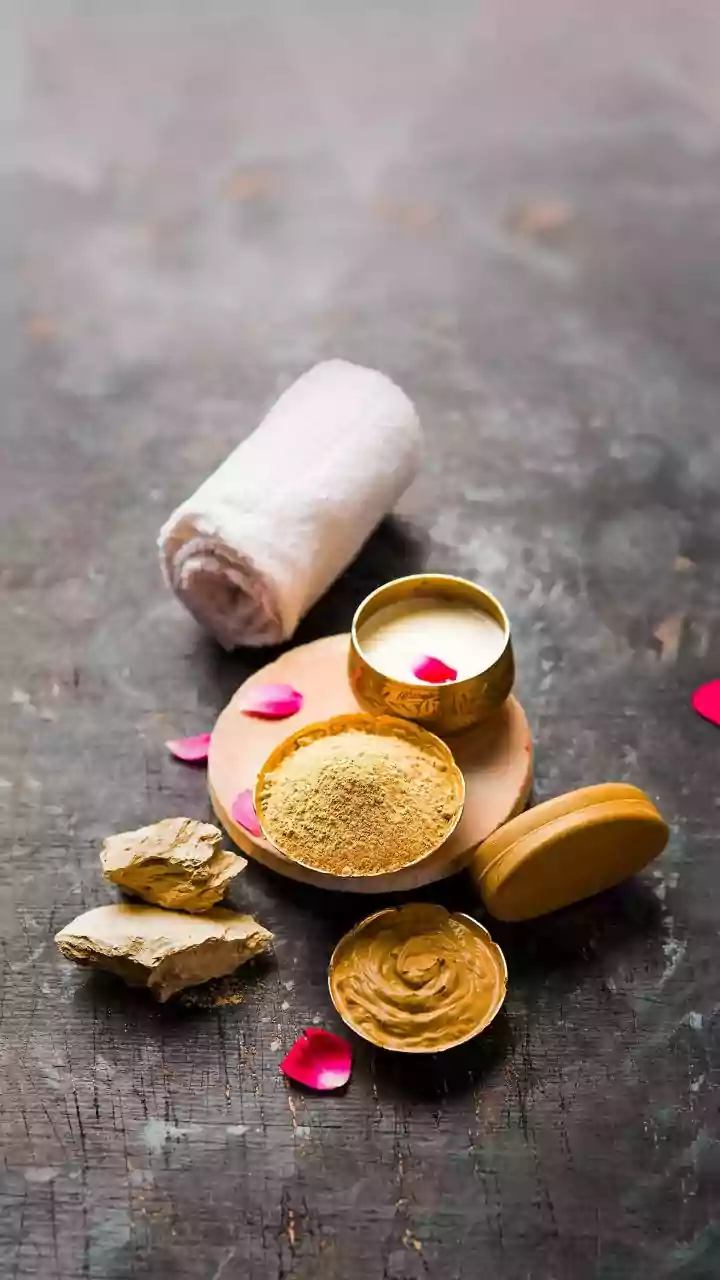
An oily scalp needs just as much attention as your face. In addition to regular washing, consider incorporating a weekly scalp treatment. A scalp scrub can help exfoliate dead skin cells and remove product buildup, allowing your follicles to breathe. [2] Clay masks, using ingredients like bentonite or even traditional Multani Mitti, can be applied to the scalp to absorb excess oil effectively. [10] Another tip is to avoid heavy, oil-based hair products near the roots and to ensure you rinse all shampoo and conditioner out thoroughly, as residue can contribute to oiliness. [2]
Weekly Rituals and Smart Habits
Incorporate a weekly face mask into your routine. Clay masks are excellent for drawing out impurities and absorbing excess oil. [13] Beyond products, small lifestyle adjustments can make a big difference. Try to avoid touching your face and hair frequently, as this can transfer oils and stimulate glands. [17] Pay attention to your diet as well; consuming too much sugar or fried, oily foods can sometimes stimulate sebum production. [3] Staying hydrated by drinking plenty of water is also crucial for overall skin and hair health. [17]