

Why Start with Bodyweight Training?
Bodyweight workouts are incredibly convenient and effective, especially for beginners. They use your own body's resistance to build muscle, improve your endurance, and increase flexibility. Because these exercises often mimic everyday movements like pushing
and squatting, they build 'functional strength', which makes daily activities easier and can help prevent injuries. For those new to fitness, it's a perfect way to learn proper form and build a solid foundation before ever touching a weight. You can do them anywhere, anytime, making it easier to stay consistent.
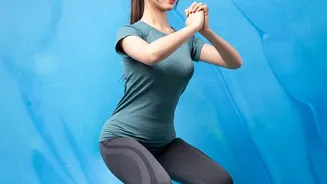
The Foundational Full-Body Move: Squats
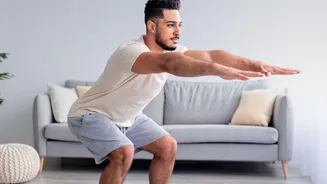
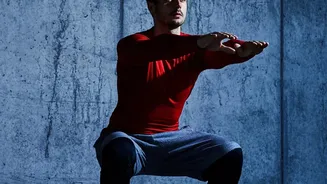
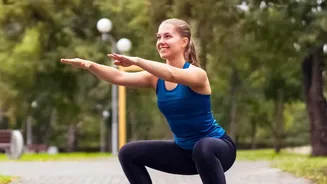
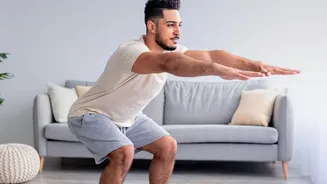
Squats are a cornerstone of any strength routine, targeting your leg and glute muscles. To perform a bodyweight squat, stand with your feet shoulder-width apart. Keeping your back straight and chest up, lower your hips as if you are sitting in a chair, ensuring your knees don't extend past your toes. Go as low as you can comfortably, ideally until your thighs are parallel to the floor, then push back up to the starting position. For beginners, you can start by squatting onto an actual chair to master the form before progressing.
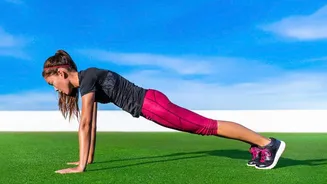
Upper Body Strength: The Push-Up
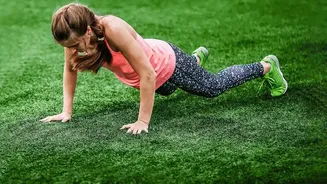
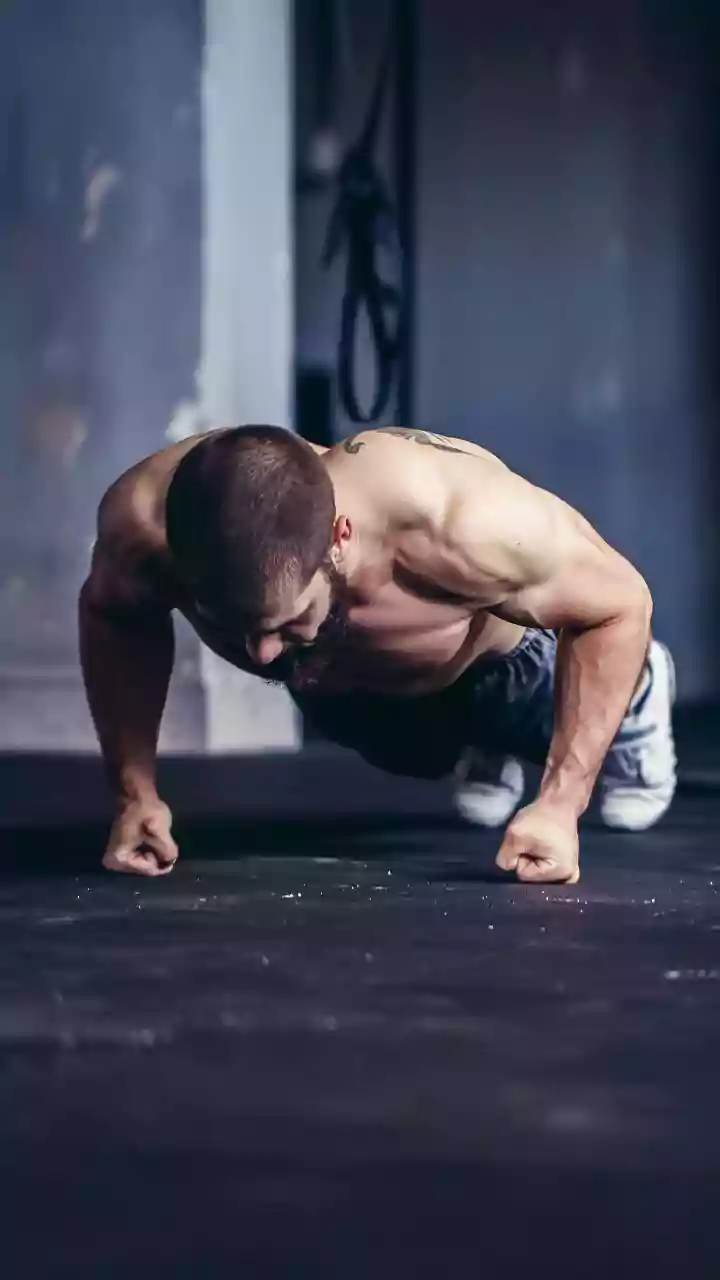
The push-up is a classic exercise for strengthening your chest, shoulders, and triceps, while also engaging your core. Start in a plank position with your hands slightly wider than your shoulders. Lower your body until your chest nearly touches the floor, keeping your body in a straight line from head to heels. If a standard push-up is too difficult, start with a modified version by placing your knees on the floor or performing the push-up against a wall or elevated surface like a table. This reduces the weight you are pushing and allows you to build strength gradually.
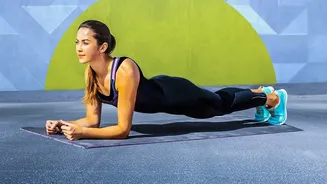
Core Stability: The Plank
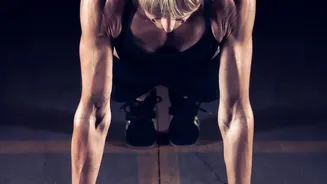
A strong core is essential for balance, posture, and overall strength. The plank is one of the most effective exercises for building core stability. To do a plank, hold your body in a straight line, supported by your forearms or hands and your toes. Engage your abdominal muscles and don't let your hips sag. Beginners can start by holding the position for 15 to 30 seconds. If that's too challenging, you can perform a plank with your knees on the ground. As you get stronger, you can increase the duration.
Lower Body Power: Lunges and Glute Bridges
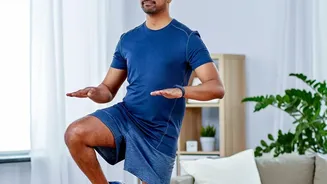
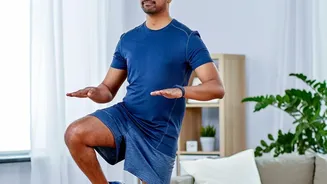
Lunges are excellent for working your legs and improving balance. Step forward with one leg and lower your hips until both knees are bent at a 90-degree angle, with your front knee directly above your ankle. Push back to the start and repeat with the other leg. Another great exercise is the glute bridge, which targets your glutes and lower back. Lie on your back with your knees bent and feet flat on the floor. Lift your hips toward the ceiling until your body forms a straight line from your shoulders to your knees, squeezing your glutes at the top.
Putting It All Together: Your Weekly Routine
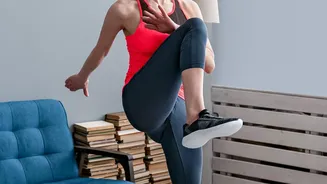
Consistency is key to seeing results. Aim to perform a full-body routine 2-3 times per week on non-consecutive days to allow your muscles time to recover and grow. A simple beginner circuit could involve performing each of the exercises above for 10-15 repetitions (or holding a plank for time), moving from one to the next with minimal rest. After completing all exercises, rest for 60-120 seconds and then repeat the entire circuit 2-3 times. Don't forget to warm up for 5-10 minutes with light cardio like jogging in place or dynamic stretches before you start.