

The Smart Way to Reduce Kitchen Waste
In many Indian households, the principle of not wasting food is deeply ingrained. This new-age trend of 'root-to-stem' cooking is simply a modern name for an age-old wisdom. It’s a sustainable approach that encourages using every edible part of a vegetable,
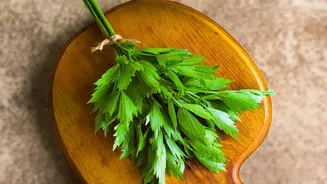
from peels and leaves to the often-discarded stems. Not only does this practice drastically cut down on kitchen waste, but it also unlocks surprising layers of flavour and nutrition. Stems of soft herbs like coriander (dhania) and mint (pudina) are particularly potent. While the leaves are delicate, the stems hold a more concentrated, punchy version of the herb's signature aroma and taste, making them perfect for infusions. By turning these scraps into something delicious, you save money and add a powerful new ingredient to your pantry.
How to Make Coriander Stem Oil
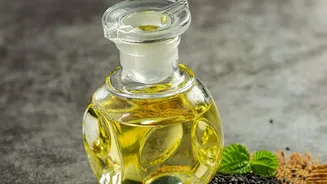
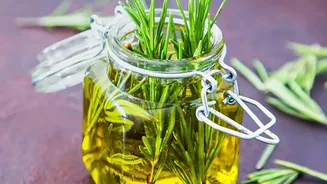
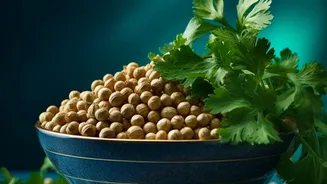
Coriander stems have a bright, citrusy, and intensely fragrant profile. Infusing them in oil creates a versatile finishing drizzle that works beautifully on dal, sabzis, and grilled snacks. To make it, you'll need a large bunch of fresh coriander stems and a neutral-flavoured oil like sunflower or grapeseed oil. Start by washing the stems thoroughly and, most importantly, patting them completely dry. Water is the enemy of infused oils and can cause spoilage. Finely chop the stems to maximise the surface area for flavour extraction. Gently warm about one cup of oil in a small pan over low heat. Do not let it get hot or start smoking. Add the chopped coriander stems, stir, and turn off the heat. Let the mixture steep for at least a few hours, or even overnight, to allow the flavours to fully infuse. Once steeped, strain the oil through a fine-mesh sieve or a piece of muslin cloth to remove all the solid bits. Do not press the solids, as this can make the oil cloudy.
Crafting a Refreshing Mint Stem Oil
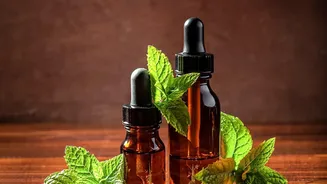
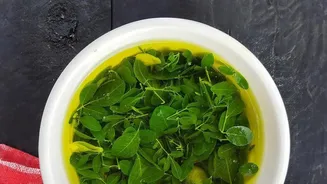
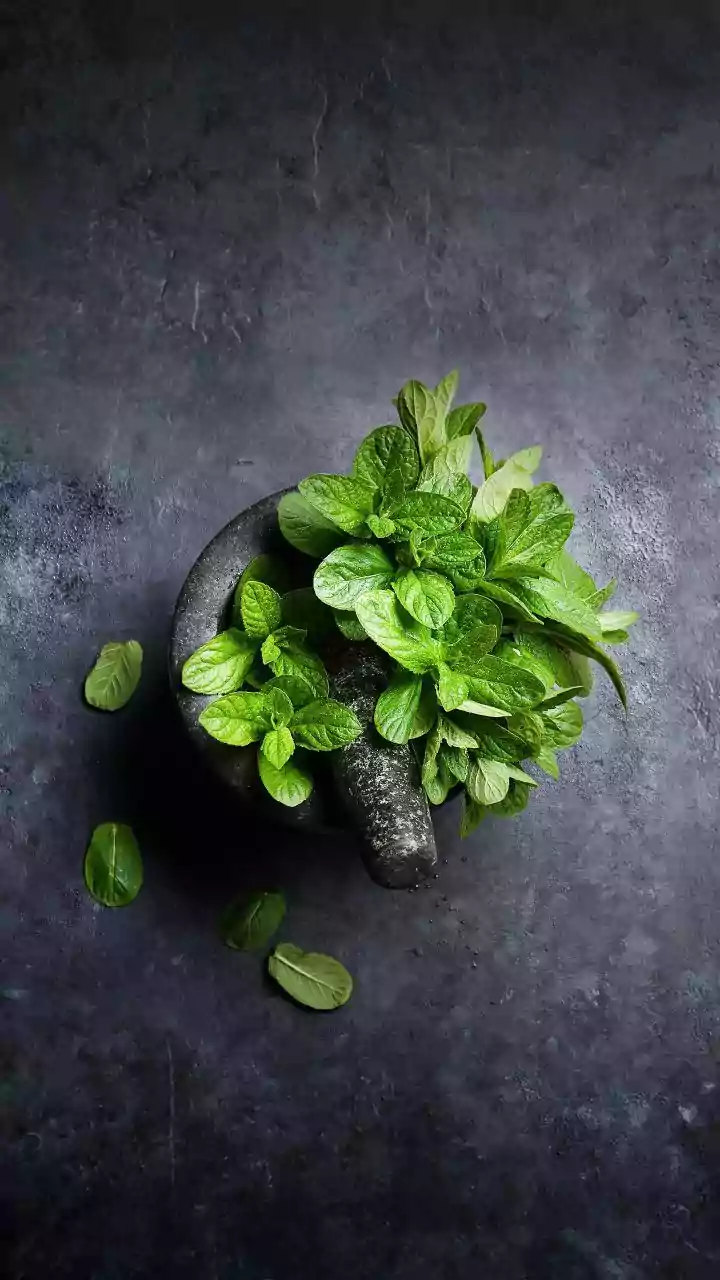
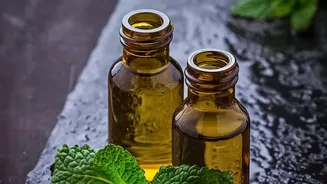
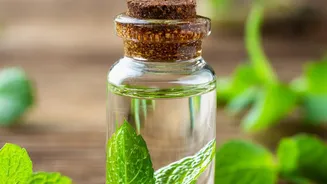
The process for making mint stem oil is very similar, capturing the cool, refreshing essence of the herb. This oil is fantastic for salad dressings, drizzling over raita, or adding a final touch to kebabs and fruit salads. Gather a handful of fresh mint stems, wash them, and ensure they are bone dry. Similar to coriander, chop the stems to help release their aromatic oils. In a saucepan, gently warm a cup of a mild oil. Add the chopped mint stems, give it a stir, and take it off the heat. Cover the pan and let it sit for several hours to infuse. For an even brighter green colour, some chefs recommend a quick blanching process: dip the stems in boiling water for 10-15 seconds, then immediately plunge them into an ice bath before drying and chopping. This helps lock in the chlorophyll. After steeping, carefully strain the oil to separate it from the stems. Your vibrant, aromatic mint oil is now ready to use.
Creative Uses in Your Kitchen
These homemade oils are not for high-heat cooking but are best used as finishing oils to add a final burst of flavour and aroma. Drizzle the coriander stem oil over a bowl of hot dal fry or chana masala. Use it to dress a simple kachumber salad or toss it with roasted vegetables like potatoes and cauliflower. The mint oil is a natural partner for yoghurt-based dishes. Stir a spoonful into your raita or use it as a garnish for dahi vada. It can also be used to create a refreshing vinaigrette for a summer salad or drizzled over grilled paneer or chicken for an aromatic lift. You can even use a few drops to brighten up a simple lemonade or a bowl of fruit.
Storage and Other Tips
To ensure your flavourful oils last, store them in a clean, airtight glass bottle in the refrigerator. Because they are made with fresh ingredients without preservatives, they are best used within a week or two. Always give the oil a quick sniff before using it to ensure it hasn't gone off. This same infusion technique can be applied to other soft herb stems you might have, such as dill or basil. Don't be afraid to experiment. You could even create a mixed-herb oil by combining coriander and mint stems for a unique flavour profile. The key is to see these 'scraps' not as waste, but as an opportunity to create something new and delicious for your kitchen.