


As winter arrives, the Indian wilderness transforms. The crisp, cool air and thinner foliage create the perfect conditions for wildlife spotting, making it the ideal season for an unforgettable safari adventure. Here are five top destinations to explore.
Ranthambore National Park, Rajasthan
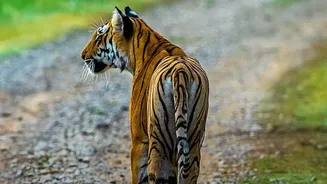
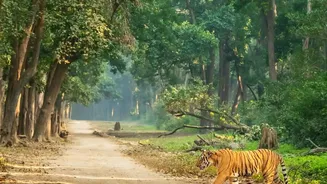
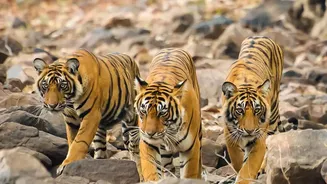
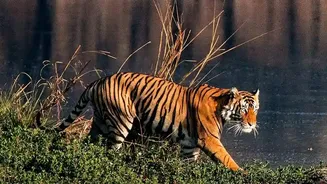
A legendary name in Indian wildlife, Ranthambore is synonymous with the Royal Bengal Tiger. Winter is the most popular time to visit for good reason. The pleasant daytime temperatures make for comfortable safari conditions, a welcome break from the scorching summer heat. While the post-monsoon greenery can be dense initially, by mid-winter, the vegetation thins out, and tigers are often seen basking in the sun to warm up. This increases the chances of spectacular sightings against the backdrop of the park's ancient forts and ruins, making for a truly magical experience. Beyond tigers, you can also spot leopards, sloth bears, and large herds of sambar and spotted deer. Due to its popularity, it's crucial to book safaris and accommodation well in advance, especially from November to January.
Jim Corbett National Park, Uttarakhand
As India’s oldest national park, Jim Corbett offers a diverse and stunning landscape at the foothills of the Himalayas. Winter here is enchanting, with misty mornings giving way to clear, sunny days. The cool, dry weather makes it prime time for exploring different zones like Bijrani and Dhikala. This season is exceptional for spotting not only tigers but also large herds of Asiatic elephants. The Ramganga River and its reservoir attract a phenomenal number of birds, as winter marks the peak season for migratory species. You can spot everything from various deer species to crocodiles sunning on the riverbanks. The enhanced visibility and comfortable climate make winter safaris a delight for both wildlife enthusiasts and photographers.
Kaziranga National Park, Assam
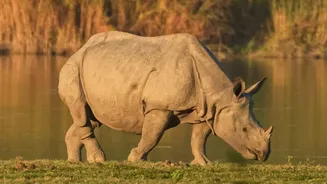
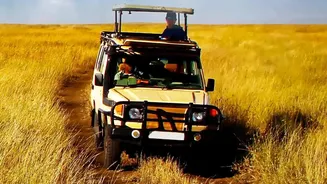
For Kaziranga, winter isn't just the best season; it's the main season. The park, a UNESCO World Heritage Site, remains closed for much of the year due to monsoon floods. It typically opens from November to April, making this window the prime time to visit. Kaziranga is world-famous for being the primary stronghold of the greater one-horned rhinoceros. In winter, the floodwaters recede, and the tall elephant grass starts to dry out, making these magnificent animals easier to spot as they graze in the open plains. The pleasant weather is ideal for jeep and elephant safaris, offering chances to see wild water buffalo, swamp deer, and a healthy population of elephants. It is also a fantastic destination for winter birdwatching, with many migratory species arriving.
Gir National Park, Gujarat
Gir offers a wildlife experience that is unique in the world: it is the last remaining wild habitat of the Asiatic lion. This conservation success story provides a chance to see a subspecies of lion that once roamed across Asia. The winter months, from November to February, are widely considered the best time for a safari. The weather is pleasant and cool, making the open-jeep drives comfortable for visitors of all ages. Lions are often more active during the day in the cooler temperatures, increasing the chances of a sighting. Besides the majestic lions, Gir's dry, scrubby landscape is home to leopards, sambar deer, nilgai (blue bull), and over 300 species of birds.
Keoladeo National Park, Rajasthan
For a different kind of safari, head to Keoladeo National Park in Bharatpur. This UNESCO World Heritage Site is a world-renowned bird sanctuary that truly comes alive in winter. Formerly a duck-hunting reserve for maharajas, its wetlands become a bustling hub for thousands of migratory birds from Siberia, Europe, and Central Asia between November and February. You can explore the park on foot, by bicycle, or on a cycle-rickshaw with guides who are expert bird-spotters. Expect to see vast flocks of bar-headed geese, northern pintails, greylag geese, and numerous species of ducks and eagles. The park is also home to resident birds like painted storks and the magnificent Sarus crane, making it a birdwatcher's paradise.