






The Monsoon Moisture Problem
As the rains arrive, the air becomes saturated with moisture, a condition we know as high humidity. While we feel it outdoors, this moisture-laden air easily finds its way inside our homes. Without a way to escape, it gets trapped. This is where the trouble
begins. Everyday activities like cooking, showering, and even breathing add more moisture to the indoor environment. During other seasons, this might not be an issue, but in the monsoon, the air is already so heavy with water that it can't absorb any more. This trapped, humid air creates the perfect breeding ground for dampness and its unpleasant consequences.
From Damp Walls to Spreading Mould
Mould is a type of fungus whose spores are almost always present in the air. Usually, they are harmless. However, when these spores land on a surface that is consistently damp, they begin to grow and multiply. During the monsoon, your walls, wooden furniture, clothes in the wardrobe, and even leather shoes become these ideal damp surfaces. You might first notice a musty smell or see dark patches appearing on walls and ceilings. This is visible mould, and it thrives in poorly ventilated, moist areas. It’s not just an aesthetic issue; it’s a sign that the indoor environment needs immediate attention.
Ventilation: Your First Line of Defence
This is where ventilation becomes crucial. Proper ventilation is the process of exchanging stale, moist indoor air with fresh, drier outdoor air. Many people mistakenly believe that opening windows during the monsoon will only let more damp air in. While you shouldn't leave them open during a downpour, strategic ventilation is key. The goal is to create airflow that pushes the accumulated indoor humidity out. Even on a cloudy day, circulating the air helps reduce the concentration of moisture inside your home, making surfaces less hospitable for mould.
Smart Ventilation Strategies
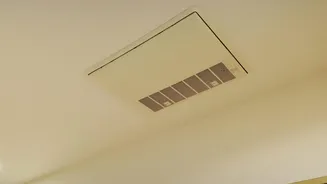
Effectively ventilating your home during the monsoon doesn't have to be complicated. One of the most effective methods is cross-ventilation. By opening windows on opposite sides of your home for even just 30 minutes a day, you create a channel for air to flow through, carrying out damp air. Pay special attention to high-moisture zones like kitchens and bathrooms. Always use the exhaust fan when cooking or after a hot shower to expel steam and moisture immediately. For rooms with limited windows, even a simple pedestal fan can help circulate the air and prevent it from becoming stagnant.
Beyond Airflow: Key Supporting Steps
While ventilation is paramount, a few other habits can significantly boost your fight against dampness. Try to allow sunlight into the house whenever possible, as its UV rays help kill mould spores. Keep furniture a few inches away from the walls to allow air to circulate behind them, preventing moisture from getting trapped. You can also use moisture-absorbing materials like silica gel packs or even camphor balls in wardrobes and small, enclosed spaces. If your home is particularly prone to dampness, investing in a dehumidifier can be a powerful tool to mechanically pull excess water from the air.
The Hidden Health Risks of Mould
Ignoring mould is not just a housekeeping oversight; it can have real health implications. For many people, exposure to mould spores can trigger allergic reactions, leading to symptoms like a stuffy nose, itchy eyes, and wheezing. For individuals with asthma, the presence of mould can lead to more frequent and severe attacks. In some cases, particularly for those with weakened immune systems, more serious complications can arise. Preventing mould growth is therefore an important step in maintaining a healthy living environment for your family.