


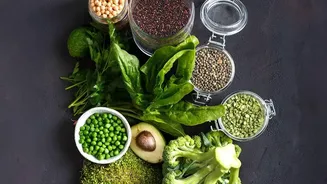
The Undeniable Power of Pulses
From the humble lentil to the robust chickpea, pulses are nutritional superstars. Naturally low in fat and sodium, they are packed with protein, complex carbohydrates, and essential minerals like iron, potassium, and magnesium. One of their greatest assets
is their high fibre content. This fibre aids digestion, helps maintain healthy blood sugar levels, and can contribute to lowering bad cholesterol. Research has shown that regular consumption of pulses is associated with a reduced risk of several chronic diseases, including heart disease and type 2 diabetes. Their combination of protein and fibre also promotes a feeling of fullness, which can help with weight management. In short, making pulses a regular part of your diet is one of the smartest moves you can make for your overall health.
The Salty Sabotage of Rich Gravies
Here's where the best intentions can go wrong. You've cooked a beautiful bowl of dal, but then you pair it with a gravy laden with salt or serve it alongside salty pickles and papads. Pulses are naturally low in sodium, which is great for heart health and blood pressure. However, when you introduce excessive salt, you can counteract these benefits. High sodium intake forces your body to retain water, increasing the volume of blood in your vessels and leading to higher blood pressure. This directly undermines one of the key advantages of eating pulses, which can help lower blood pressure. While salt is essential for flavour, many packaged masalas, store-bought gravies, and traditional cooking habits can push the sodium content of a meal into an unhealthy range, effectively turning a heart-healthy dish into a problematic one.
The Problem with Processed Sides
The other culprit is the company your pulses keep. Heavily processed side dishes can do just as much damage as excess salt. Think deep-fried items like pakoras or samosas, or refined breads like butter naan. These foods are often what are known as 'ultra-processed.' They are stripped of their natural fibre and nutrients, and loaded with unhealthy fats, refined carbohydrates, and additives. Eating these alongside high-fibre pulses creates a nutritional conflict. The slow-release energy and blood sugar regulation offered by the pulses is challenged by the quick-digesting, empty calories of the processed sides. A diet high in ultra-processed foods is linked to an increased risk of obesity, type 2 diabetes, and heart disease—the very conditions that pulses help to fight.
Smarter Pairings for a Healthier Plate
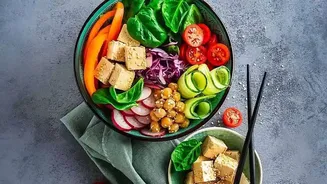
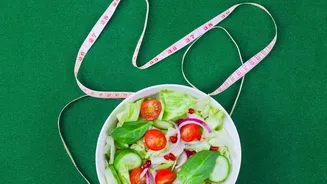
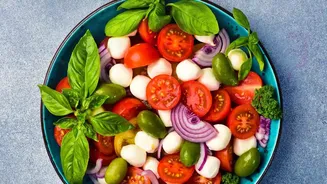
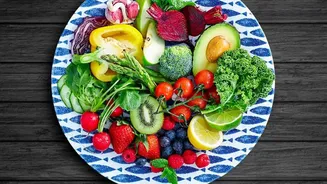
Maximising the benefits of your pulses is about building a better plate. Instead of reaching for the fried snacks and refined flours, focus on whole, nutrient-dense accompaniments. Pair your dal or sabzi with whole-wheat rotis or brown rice to keep the fibre content high. A fresh, crunchy salad like a simple kachumber adds vitamins and texture without the unhealthy fats. Lightly sautéed or steamed vegetables are another excellent choice, providing nutrients that complement those found in pulses. Instead of a creamy, high-fat raita, try a simple yogurt with chopped mint and cucumber. These simple swaps ensure that every component of your meal is working together, enhancing the nutritional value rather than detracting from it.
Flavourful Cooking, Minus the Excess
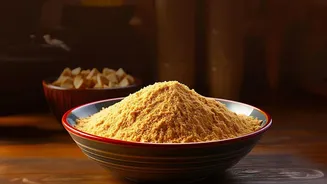
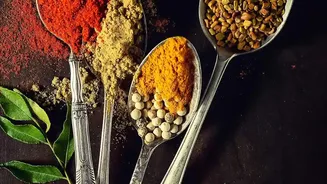
You don't need to sacrifice flavour to make your pulse dishes healthier. To reduce sodium, get creative with other seasonings. Aromatic spices like cumin, coriander, turmeric, and garam masala provide incredible depth. Fresh ginger, garlic, and chillies add a powerful punch. A squeeze of lemon or a dash of amchoor (dry mango powder) at the end of cooking can brighten the entire dish, reducing the need for extra salt. When cooking the pulses themselves, use minimal oil. A pressure cooker is a fantastic tool that can reduce cooking time significantly, especially for tougher pulses like chickpeas. By focusing on these techniques, you can create delicious, satisfying meals that let the true health benefits of the pulses shine through.