






Moving Beyond the Monolith
For decades, the world’s perception of Indian food was largely confined to a handful of North Indian dishes: butter chicken, paneer tikka masala, and naan. While delicious, this limited menu presented a vast, diverse culinary landscape as a single, homogenous
entity. But that narrative is finally changing. Global palates, once accustomed to milder flavours, are now seeking complexity, spice, and authenticity. The search for the “next big thing” in food is leading discerning diners and trend-watchers directly to India's diverse regional kitchens. This isn’t just about discovering new dishes; it’s about appreciating the intricate techniques, unique ingredients, and deep cultural stories that have been simmering in Indian homes for centuries, waiting for their global close-up.
The Power of Regionality
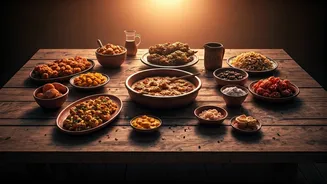
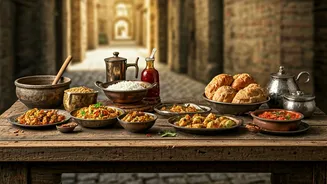
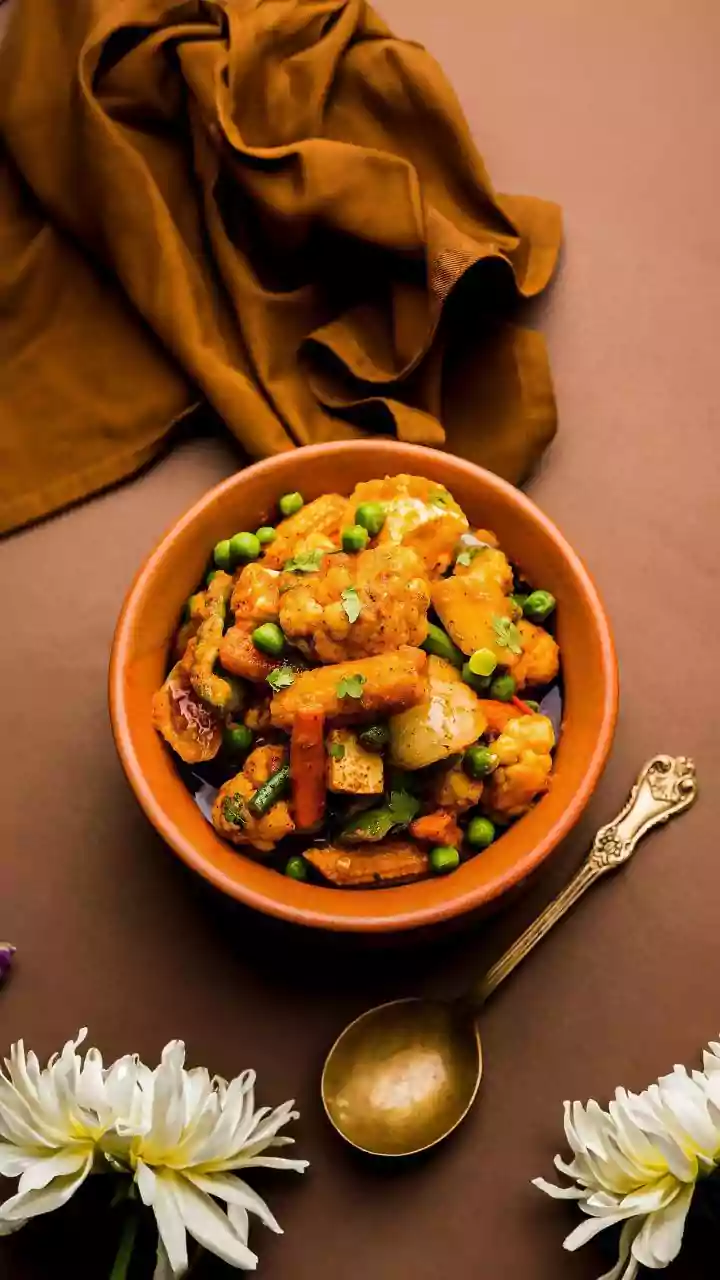
The driving force behind this shift is the celebration of regional Indian food. Instead of one “Indian curry,” the conversation is now about the tangy, coconut-based fish curries of Kerala, the subtle, fragrant vegetarian thalis of Gujarat, the fiery pork dishes of Nagaland, and the rich, mustard-infused delicacies of Bengal. Chefs and food writers are championing hyper-local cuisines, introducing the world to dishes like Rajasthan's laal maas, Kashmir's rogan josh in its authentic form, and the fermented foods of the Northeast. This focus on regionality moves the cuisine from a predictable set of flavours to an exciting map of discovery. Each state, and sometimes each district, offers a unique culinary identity, giving the world an endless feed of new tastes and textures to explore.
Chefs as Cultural Ambassadors
This movement wouldn't be possible without a new generation of Indian chefs who are acting as storytellers and innovators. Trailblazers like Asma Khan in London, who brings her family’s Mughlai recipes to the forefront at Darjeeling Express, or the late Gaggan Anand, who redefined Indian food with his progressive approach in Bangkok, have paved the way. In India and abroad, chefs are digging into their heritage, unearthing forgotten recipes and presenting them in a contemporary context. They are not simply creating fusion food; they are deconstructing and reconstructing traditional dishes with modern techniques and artistic plating. This chef-led movement has given Indian food a new level of prestige, earning it Michelin stars and top spots on global restaurant lists, proving that our cuisine can be both deeply traditional and cutting-edge.
Made for the Modern Feed
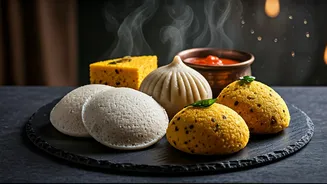
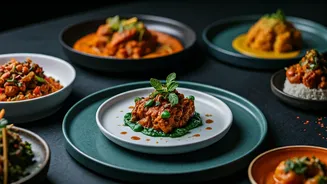
In the age of Instagram, we eat with our eyes first, and modern Indian cuisine is a feast for the camera. The vibrant colours of turmeric, beetroot, and spinach, the artistic splatter of a chutney, the delicate arrangement of microgreens on a modern-day chaat—it all translates beautifully to the visual-first nature of social media. Chefs are consciously plating dishes to be as beautiful as they are delicious. A black plate might serve as a dramatic canvas for a bright yellow dal, or a traditional thali might be arranged with a jeweller's precision. This aesthetic appeal is crucial in creating buzz and making a dish go viral. As more people share these stunning images, they create a ripple effect of curiosity and desire, effectively making the case that Indian plates are the most photogenic and exciting ones to watch.
Aligning with Global Wellness
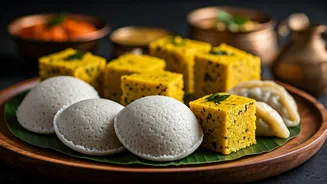
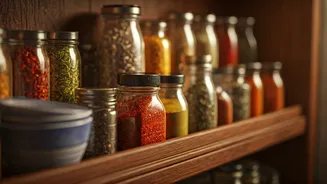
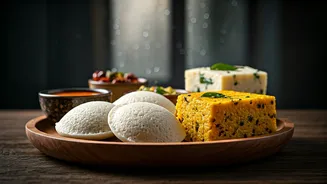
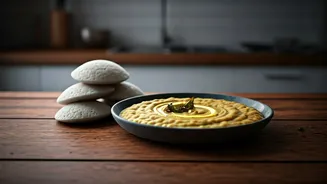
Another key factor in Indian food's rising popularity is its natural alignment with global wellness trends. The world is increasingly interested in plant-based diets, gluten-free grains, and gut-healthy fermented foods. Indian cuisine has been an expert in these areas for millennia. From the extensive repertoire of vegetarian and vegan dishes to the use of nutrient-dense millets like ragi and jowar, and the tradition of fermented foods like dosa and idli, Indian culinary traditions are a treasure trove of healthy eating. The emphasis on spices like turmeric, ginger, and cardamom for their medicinal properties also resonates with the modern consumer's focus on functional foods. This makes Indian food not just a treat for the taste buds, but also a smart choice for a health-conscious lifestyle.