

The Golden Two-Hour Rule
The most critical step in ensuring your leftovers are safe begins as soon as the meal is over. Do not leave perishable food sitting at room temperature for more than two hours. This window is when bacteria can multiply rapidly, especially in the 'danger
zone' between 5°C and 60°C. In this temperature range, harmful bacteria can double in as little as 20 minutes. If the ambient temperature is high, such as during a sunny outdoor celebration, this window shrinks to just one hour. Any perishable food left out longer than this should be discarded to prevent the risk of foodborne illness.
Cool Food Quickly and Correctly
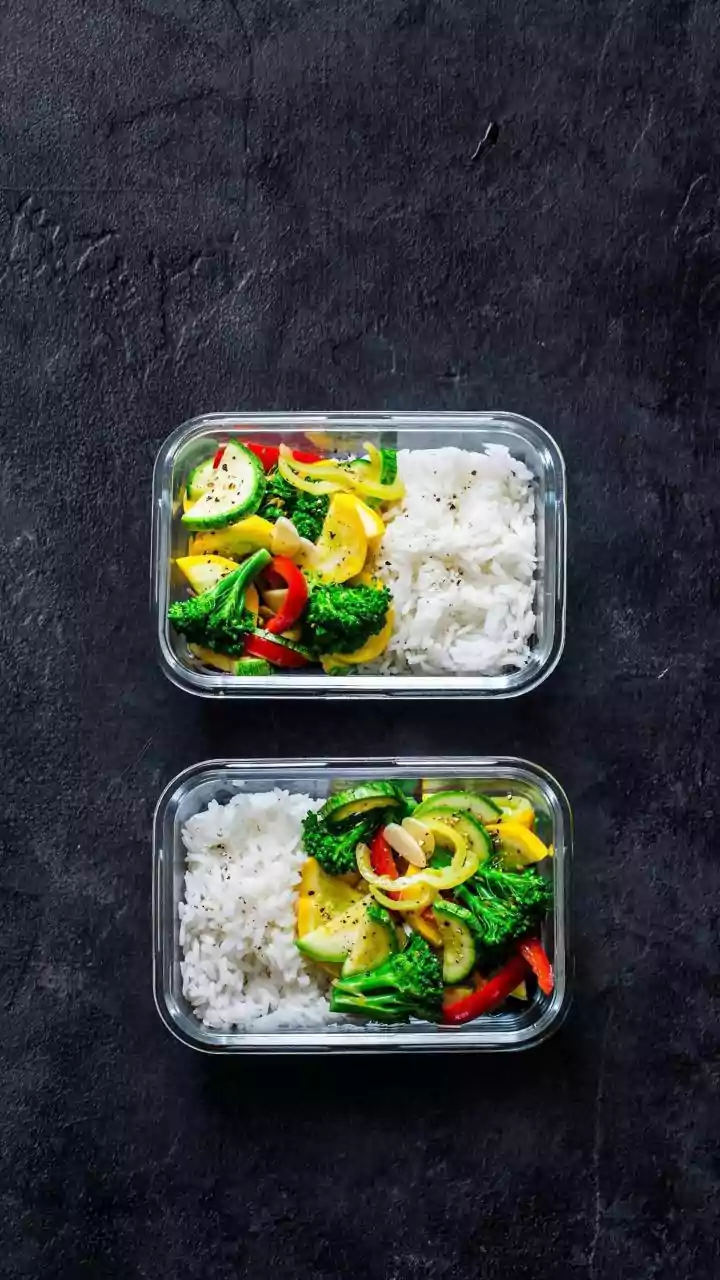
Hot food should not be placed directly into the refrigerator in a large, deep container. This can raise the internal temperature of the fridge, putting other foods at risk, and the centre of the hot dish will not cool down fast enough. Instead, speed up the cooling process by dividing large quantities of food into smaller, shallow containers. This increases the surface area and allows heat to dissipate more quickly. Spreading rice or cutting large pieces of meat into smaller portions helps them cool faster. For liquid dishes like soups and dals, you can place the container in an ice water bath in the sink and stir periodically to accelerate cooling.
Smart Storage for Extended Life
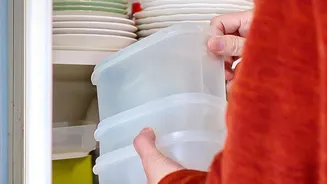
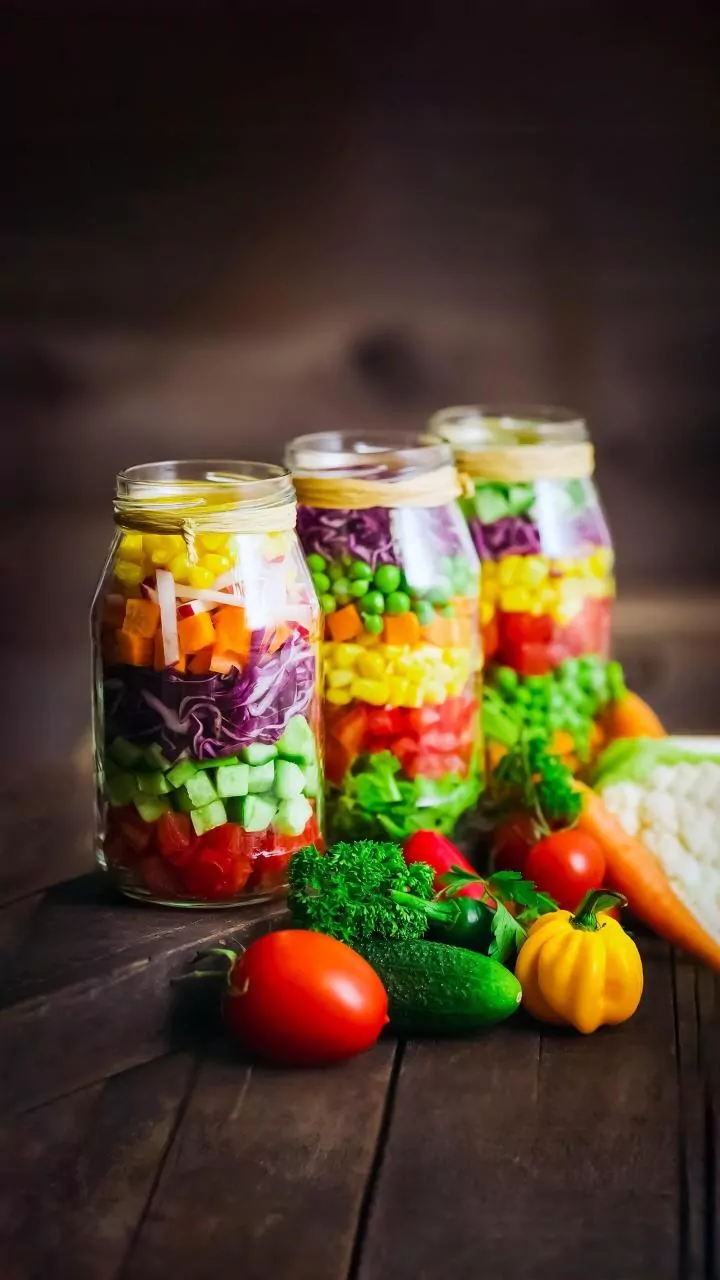
Once cooled, store leftovers in airtight containers. This not only prevents contamination but also helps maintain the quality of the food. It's a good practice to label your containers with the date, so you know how long they've been stored. Most cooked leftovers can be safely kept in the refrigerator for three to four days. For longer storage, the freezer is your best friend. Properly frozen leftovers can last for three to four months without a significant loss of quality, and they remain safe to eat indefinitely from a bacterial standpoint.
Reheat to the Right Temperature
When it's time to enjoy your leftovers, reheating them properly is non-negotiable. All leftovers should be reheated to an internal temperature of at least 75°C (165°F) to ensure any lingering bacteria are killed. Use a food thermometer for accuracy if possible. Sauces, soups, and gravies should be brought to a rolling boil. If using a microwave, cover the food to retain moisture and ensure even heating, stopping to stir the food midway through. Avoid reheating food in slow cookers or chafing dishes, as these appliances may not heat the food quickly enough, allowing it to linger in the temperature danger zone.
Creative Leftover Makeovers
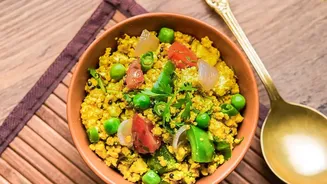
Beyond simple reheating, leftovers offer a chance for culinary creativity. Transform leftover rice into a flavourful fried rice or pulao by stir-frying it with vegetables and spices. Extra curry can become a delicious filling for wraps, sandwiches, or even a savory pie. Leftover dal can be used as a base for dal dhokli, and cooked vegetables can be stuffed into parathas or used as a topping for a homemade pizza. These ideas not only prevent food boredom but also ensure that the fruits of your festive cooking labours are fully enjoyed.
When in Doubt, Throw It Out
Your senses are a good first line of defence, but they aren't foolproof. Harmful bacteria that cause food poisoning cannot always be seen, smelled, or tasted. If you're unsure how long something has been in the fridge or if it was stored correctly, it's safest to discard it. The risk of getting sick is not worth saving a small amount of food. Always prioritize safety when dealing with leftovers.