


The Punishment of Deprivation
Many of us have been there: you start a new diet with great intentions, focusing on lean proteins and leafy greens. For a few days, it feels great. Then, the familiar pangs of hunger strike. You feel unsatisfied after meals, your energy levels crash in the afternoon,
and cravings for sugary or fatty foods become overwhelming. This cycle of restriction followed by intense cravings is why so many healthy eating plans fail. They feel like a punishment because they leave you feeling perpetually hungry and deprived. The key to breaking this cycle is not to eat less, but to eat smarter by focusing on foods that keep you feeling full and satisfied for longer.
Fibre’s Superpower: The Science of Fullness
This is where dietary fibre works its magic. Fibre is a type of carbohydrate that your body can't digest. Instead of being broken down into sugar, it passes through your system largely intact. Soluble fibre, in particular, dissolves in water to form a gel-like substance in your gut. This gel does two remarkable things. First, it physically slows down digestion. This means food stays in your stomach for longer, promoting a prolonged feeling of fullness, or satiety. Second, by slowing the absorption of other nutrients like sugar, fibre helps prevent sharp spikes and crashes in blood sugar levels. This stable energy prevents the sudden hunger and cravings that often derail healthy habits.
Soluble vs. Insoluble: A Powerful Partnership
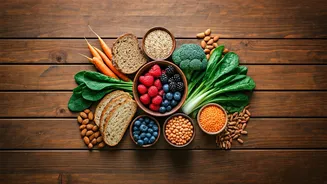
There are two main types of fibre, and both are crucial for health. We’ve met soluble fibre, the type found in oats, beans, apples, and carrots, which is a champion for controlling blood sugar and cholesterol. Its partner is insoluble fibre. This type doesn't dissolve in water and acts as a bulking agent, helping food move more quickly through your digestive system. Found in whole-wheat flour, nuts, and vegetables like cauliflower and green beans, insoluble fibre is excellent for promoting regularity and preventing constipation. Most plant-based foods contain a mix of both types, so by eating a varied diet, you naturally get the benefits of this powerful digestive duo.
Building a High-Fibre Indian Pantry
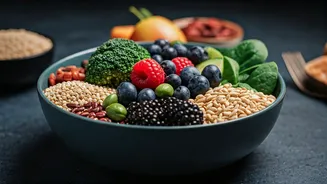
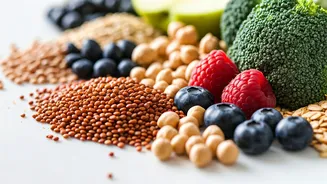
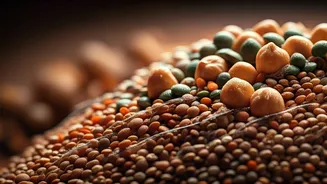
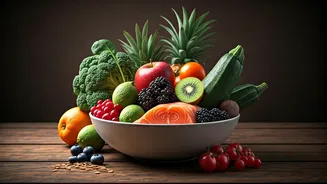
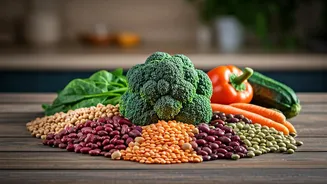
The good news is that a traditional Indian diet is naturally rich in high-fibre foods. You don't need to look for expensive, imported superfoods. The Indian Council of Medical Research (ICMR) suggests adults aim for about 30-40 grams of fibre daily, yet studies show many urban Indians get only half that amount. Closing this gap is easy with local, accessible ingredients. Millets like jowar, bajra, and ragi are fibre powerhouses. Legumes are essential; a single serving of rajma, chana, or moong dal can significantly boost your intake. Don't forget vegetables like bhindi (okra), sweet potatoes, and leafy greens like spinach. And for fruits, guava and papaya are excellent, fibre-rich choices.
Simple Swaps for a Fibre-Rich Day
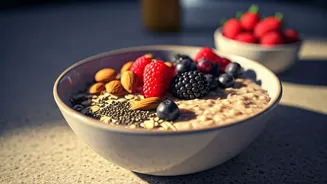
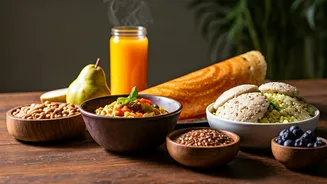
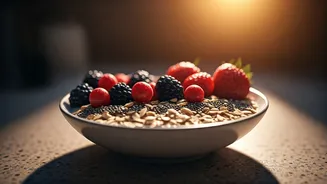
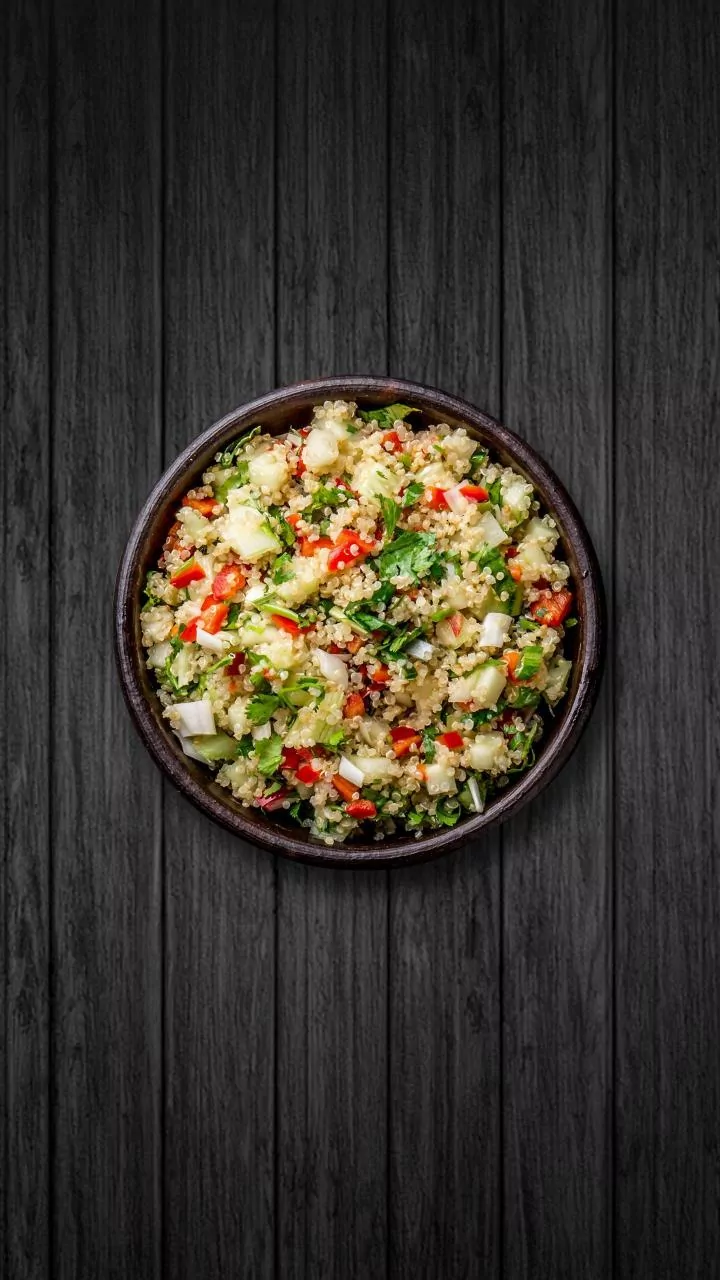
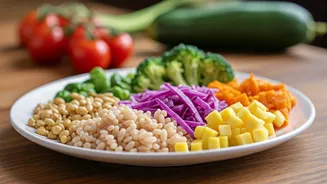
Increasing your fibre intake doesn’t require a complete diet overhaul. Small, consistent swaps can make a huge difference. Start your day with a bowl of porridge or a ragi dosa instead of a less fibrous option. For lunch and dinner, swap white rice for brown rice or millets, and make sure at least half your plate is filled with vegetables. Instead of peeling vegetables like carrots and potatoes, just give them a good scrub, as much of the fibre is in the skin. Snack on a handful of nuts, roasted chana, or a whole fruit instead of juice. And when making rotis, use whole-wheat or multigrain atta. Remember to increase your fibre intake gradually and drink plenty of water to help your digestive system adjust.