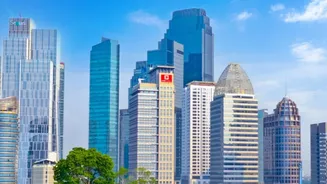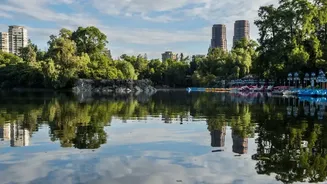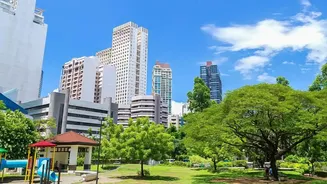







In the hustle of city life, it's easy to feel disconnected and overwhelmed. But amidst the concrete and chaos lie vital oases: urban green spaces. These are more than just patches of grass; they are powerful tools for a healthier, happier life.
A Natural Prescription for Urban Stress
Modern
urban environments are often filled with micro-stressors like noise, traffic, and crowds that keep our bodies in a state of high alert. Green spaces offer an immediate and effective antidote. Stepping into a park has been shown to lower levels of cortisol, the body's primary stress hormone. This natural setting allows our minds to relax and reset, a concept known as attention restoration. The constant demands of city life exhaust our directed attention, but the gentle, fascinating stimuli of nature—a gentle breeze, rustling leaves, birdsong—allow our minds to wander and recover. This leads to reduced anxiety, a better mood, and improved mental clarity. Studies have shown that even short, regular visits to a park can significantly decrease symptoms of depression and mental fatigue, making green spaces a crucial component of urban mental healthcare.
Your Open-Air Gymnasium
Forget the confines of a stuffy gym; your local park is a free, accessible, and versatile fitness centre. Green spaces naturally encourage physical activity. They provide ample room for everything from a brisk walk or jog to cycling, yoga, and team sports. The varied terrain of a park can offer a more challenging and engaging workout than a flat treadmill. Furthermore, exercising outdoors provides benefits that indoor gyms cannot match, such as fresh air and exposure to sunlight, which helps the body produce essential Vitamin D. Access to parks has been linked to healthier weights and a reduced risk of cardiovascular disease and diabetes. By providing safe, appealing places to move, urban green spaces play a critical role in promoting public health and combating sedentary lifestyles.
Where Community Takes Root
Loneliness is a growing public health concern in many cities. Urban parks and community gardens serve as natural meeting points that foster social connection and strengthen community bonds. They are inclusive, neutral grounds where people from all walks of life can interact. Think of parents connecting at a playground, seniors meeting for a morning walk, or neighbours chatting at a community garden. These spaces host farmers' markets, cultural festivals, and local events that bring people together, creating a sense of shared identity and belonging. Community gardens, in particular, promote cooperation as people work together to cultivate plants, often sharing the produce and their knowledge. These interactions, both planned and spontaneous, help reduce feelings of isolation and build a more resilient, cohesive society.
Designing for Connection and Calm
The positive impact of a green space is not accidental; it is often the result of thoughtful design. The layout of a park—its pathways, seating areas, and mix of open and secluded spots—can profoundly influence how it is used. Well-lit, accessible pathways encourage walking and jogging, while strategically placed benches invite people to rest and socialise. A mix of facilities, such as playgrounds for children, open lawns for games, and quiet garden corners for contemplation, ensures the park serves a diverse range of community needs. In India, government initiatives like the Nagar Van Yojana aim to create hundreds of urban forests, emphasising the use of native species and community involvement to ensure these spaces are both ecologically sound and socially vibrant. By intentionally designing for both active use and quiet enjoyment, planners create environments that nurture both social interaction and personal peace.