


Meet Ragi, the Ancient Super Grain
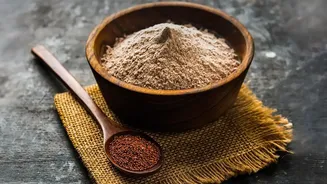
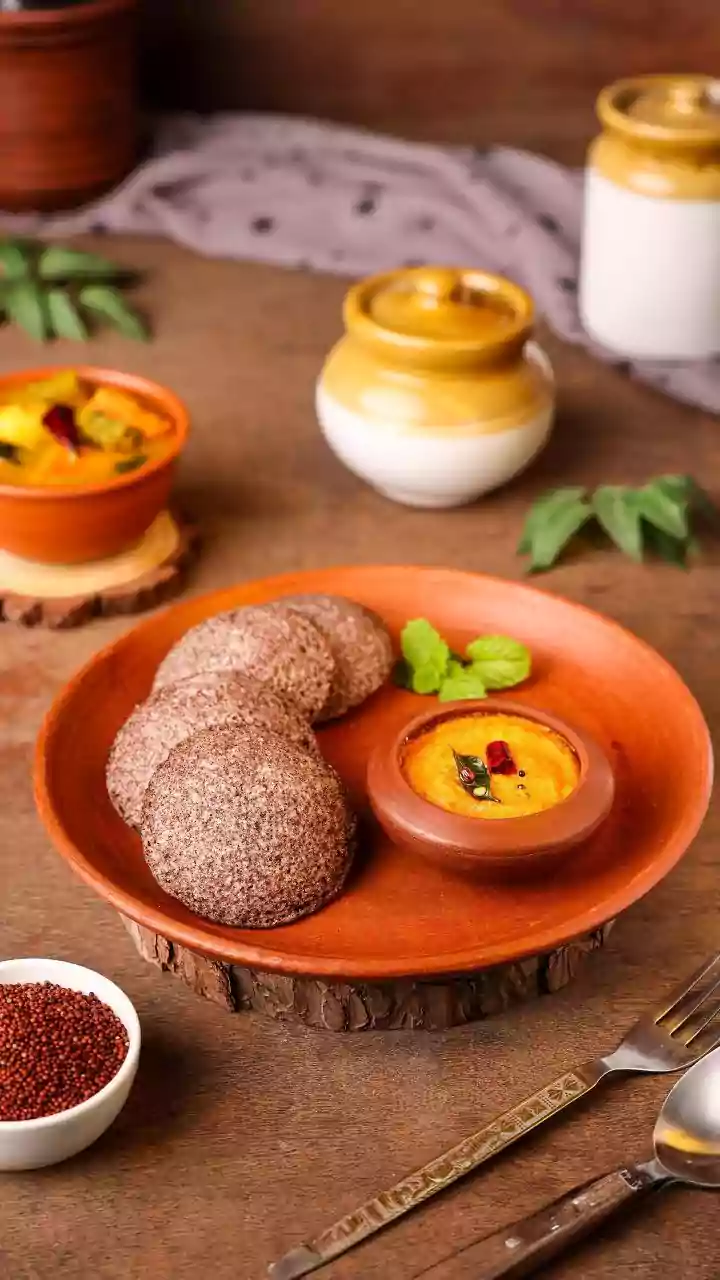
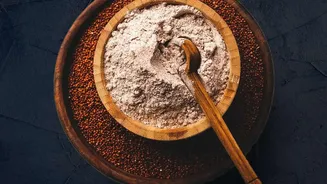
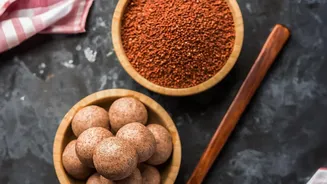
Ragi, also known as finger millet, is a small, reddish-brown grain that has been a staple food in parts of India and Africa for thousands of years. Often overlooked in modern diets that favour wheat and rice, ragi is making a major comeback as a certified
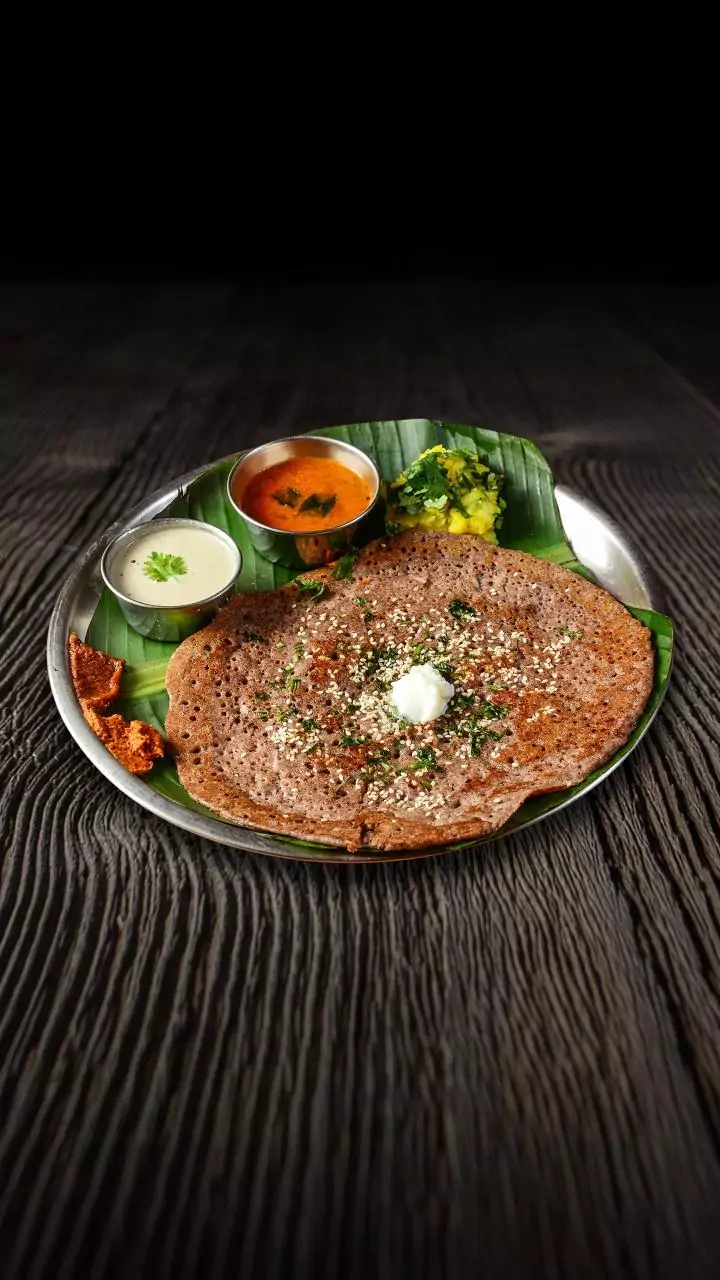
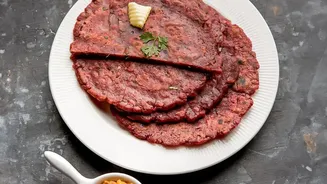
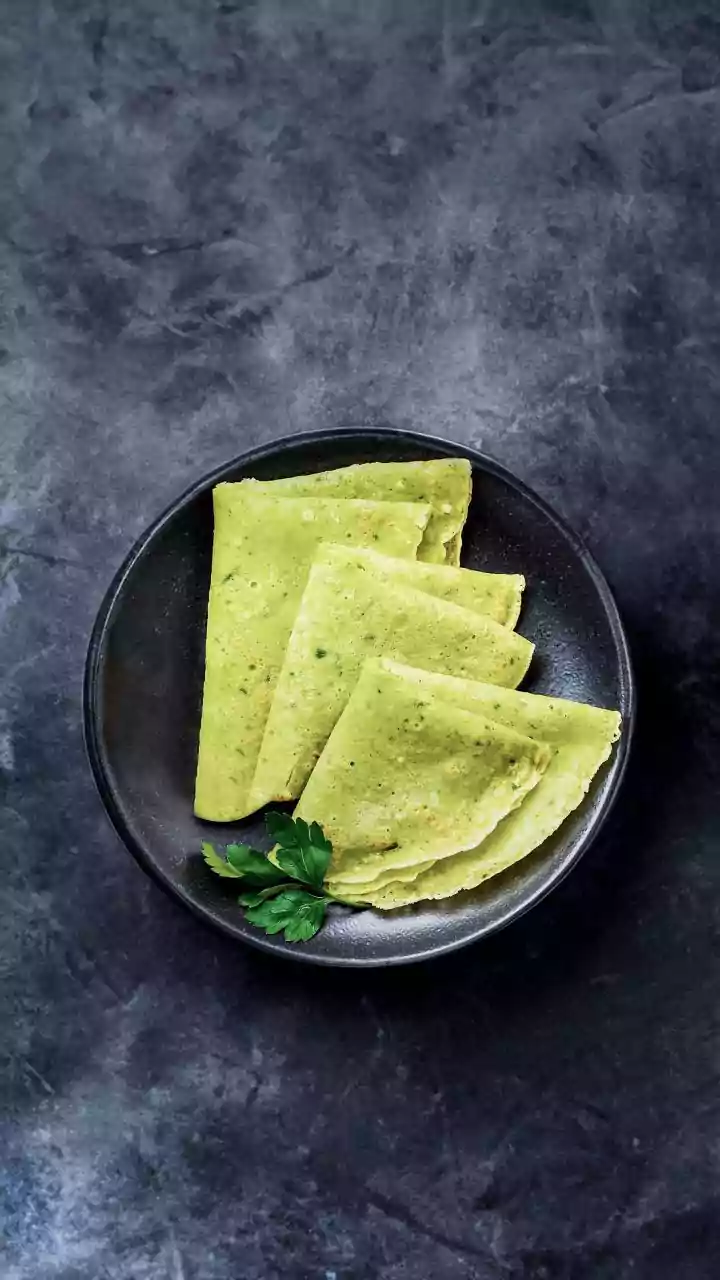
superfood. This hardy grain is celebrated not just for its resilience in the field but for its dense nutritional profile. Unlike many common grains, ragi is naturally gluten-free, making it an excellent and safe choice for individuals with celiac disease or gluten sensitivity. Its earthy, nutty flavour lends itself well to a variety of dishes, from traditional porridge and rotis to the delightful savoury crepes at the centre of this guide.
A Powerhouse of Nutrition
The humble appearance of ragi belies its incredible health benefits. It is one of the richest plant-based sources of calcium, crucial for maintaining strong bones and teeth. Ragi is also packed with iron, which helps in the production of haemoglobin and can combat anaemia, and dietary fibre, which aids digestion and promotes a feeling of fullness. This high fibre content, combined with complex carbohydrates, gives ragi a low glycaemic index. This means it releases sugar into the bloodstream slowly, helping to stabilise energy levels and making it a particularly good choice for managing blood sugar. Starting your day with a high-protein, low-sugar meal like ragi crepes can control appetite, boost metabolism, and prevent the mid-morning energy crash associated with sugary breakfasts.
Instant Savoury Ragi Crepe Recipe
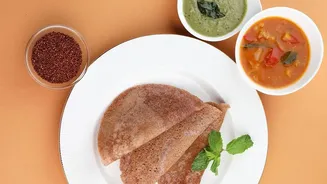
This recipe for instant ragi crepes, or ragi dosa, requires no overnight soaking or fermentation, making it perfect for a quick and healthy breakfast. Ingredients: 1 cup ragi flour (finger millet flour) 1/2 cup rice flour (for crispness) 1/4 cup plain curd (yoghurt), whisked 1 medium onion, very finely chopped 1-2 green chillies, finely minced 1 teaspoon cumin seeds A handful of fresh coriander or curry leaves, chopped Salt to taste Approx. 2.5 cups of water (or as needed) Ghee or oil for cooking Instructions: 1. In a large mixing bowl, combine the ragi flour, rice flour, and salt. 2. Add the chopped onion, green chillies, cumin seeds, and coriander or curry leaves. Mix well. 3. Pour in the whisked curd and about 1 cup of water. Whisk to form a smooth paste, ensuring there are no lumps. 4. Gradually add the remaining water while whisking continuously. The final batter should be very thin and runny, similar to the consistency of buttermilk. This is the key to getting lacy, crispy crepes. 5. Let the batter rest for 15-20 minutes. 6. Heat a non-stick or well-seasoned cast iron dosa pan over medium-high heat. The pan must be very hot. 7. Stir the batter vigorously before making each crepe, as the flour tends to settle at the bottom. 8. From a height, pour a ladleful of the batter onto the hot pan, starting from the edges and moving towards the centre to create a lacy pattern. Do not spread it with the ladle. 9. Drizzle a teaspoon of ghee or oil around the edges and over the crepe. Cook for about 2-3 minutes on medium heat, until the edges start to lift and the bottom is golden brown and crisp. 10. Flip the crepe and cook for another minute. Fold it and serve immediately.
Tips for Perfect Crepes
For the best results, remember that a hot pan and a thin batter are crucial. If your first crepe doesn't form a lacy pattern and seems too thick, your batter needs more water. Don't be afraid to add a few more tablespoons of water until you reach a very flowing consistency. Always stir the batter right before you pour it onto the pan. For a slight variation and added texture, you can also add 2 tablespoons of fine semolina (rava) to the dry ingredients, though using rice flour keeps the recipe entirely gluten-free. Patience is key; allow the crepe to cook fully on one side until it becomes crisp before attempting to flip it.