





A Look Inside the Kitchen
Recent, intensified food safety inspections across major cities like Bengaluru, Mumbai, and Hyderabad have uncovered a troubling pattern of violations, even in high-end establishments. In early August 2026, enforcement drives revealed issues ranging from
poor hygiene and improper food storage to the use of expired ingredients. In Bengaluru, inspection teams from the Karnataka Health Department found rotten meat, fungus on vegetables, and expired milk at several three-star and five-star hotels. One establishment was found with 45 kg of rotten chicken and beef, while another had duck and fish stored improperly. Similarly, a drive in Maharashtra saw the Food and Drugs Administration (FDA) inspect 63 restaurants between August 4 and 6, issuing improvement notices to 38 and suspending the licences of seven for non-compliance. These are not isolated incidents; inspections in Hyderabad in July also found cockroach infestations, rat droppings, and mouldy vegetables in various eateries. The violations are often basic: raw and cooked foods stored together, staff with poor personal hygiene, and dirty utensils.
The Official Safety Checklist
The Food Safety and Standards Authority of India (FSSAI) is the primary body responsible for setting and enforcing these standards. All food businesses are required to have a 14-digit FSSAI license, which confirms they are registered and legally compliant. Beyond this basic license, the FSSAI has established the 'Eat Right India' movement, which promotes safe and healthy eating. A key part of this is the voluntary Hygiene Rating Scheme. This system allows restaurants to be audited and rated on a scale of one to five stars (or smileys) based on criteria like food handling practices, premises cleanliness, pest control, and water quality. The goal is to encourage businesses to improve their standards and allow consumers to make informed choices. Some cities, like Delhi, are even adopting a New York-style A-to-D public grading system to make hygiene standards more visible to diners.
The Gap Between Rules and Reality
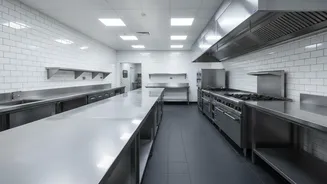
Despite a robust set of rules, the recent inspections show a significant gap between regulations and on-ground reality. One of the biggest challenges is enforcement. The sheer number of eateries, from street food stalls to large restaurants, makes comprehensive and frequent inspections difficult. As of mid-2026, only a tiny fraction of restaurants have opted into the voluntary Hygiene Rating Scheme. For example, in Hyderabad, a major metro, less than 2% of the roughly 75,000 licensed food businesses had an official hygiene rating. Common violations persist due to a lack of awareness among food business operators, cost-cutting measures, or simply inadequate training for kitchen staff. Issues like using unverified suppliers for raw materials, incorrect labelling, and structural defects in kitchens that prevent proper cleaning are frequently cited during audits.
From Inspection to Inspiration
The solution isn't just about punitive action; it's also about building a culture of food safety. The FSSAI's 'Eat Right India' initiative is a step in this direction, aiming to create a movement around safe, healthy, and sustainable food. The program includes certifying public spaces like railway stations and campuses as 'Eat Right,' training street food vendors, and running awareness campaigns. Technology is also playing a crucial role. Since 2025, FSSAI has mandated that restaurants display their license with a QR code. This code links to the 'Food Safety Connect' app, empowering consumers to instantly verify a restaurant's license details and report any hygiene issues directly to the authorities. This move towards transparency aims to bridge the trust deficit and make businesses more accountable to their customers.
Your Role as a Conscious Consumer
As a diner, you have more power than you might think. Before choosing a restaurant, you can look for the displayed FSSAI license or hygiene rating certificate. The 14-digit FSSAI number, which must be printed on bills and receipts, can be verified online through the official FoSCoS portal or the Food Safety Connect app. A suspended or cancelled license is a major red flag. You can also use the app to report issues like unhygienic conditions, poor food quality, or misleading claims. By being vigilant and using these tools, consumers can actively participate in the food safety ecosystem, rewarding compliant businesses and flagging those that fall short. This collective action is essential for driving long-term improvements in India's restaurant industry.