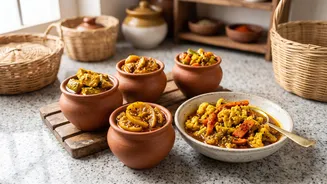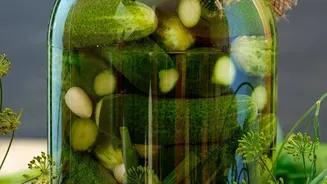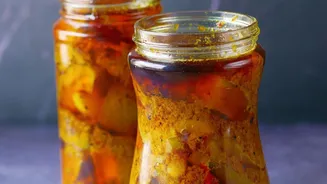




In the heart of India's bustling cities, a quiet culinary revolution is taking place. Urban families are turning away from mass-produced products and rediscovering the slow, deliberate art of pickling, or 'achar' making.
A Return to Tradition
For generations, the ritual of
making pickles was a cornerstone of Indian households, a way to preserve seasonal produce and family recipes. Today, this practice is seeing a revival, not just out of nostalgia, but as a conscious lifestyle choice. In an age of quick-commerce and processed foods, many urbanites are seeking a deeper connection to what they eat. This trend is driven by a desire for transparency, better health, and the unparalleled taste of homemade food free from artificial preservatives. Small-batch pickling allows for complete control over ingredients, ensuring that what ends up on the family's plate is both natural and nourishing.
The Science of Sun and Spice
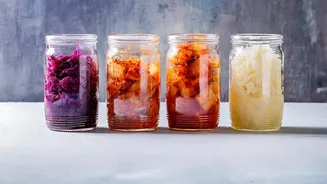
Unlike many commercial pickles that rely on vinegar for a fast cure, traditional Indian methods often use a combination of salt, oil, and spices to encourage natural fermentation. When jars of freshly mixed raw mango, lemon, or chillies are left in a sunny spot, beneficial microbes get to work. This process, known as lacto-fermentation, not only preserves the food but also creates the characteristic tangy flavour of authentic achar. More importantly, it populates the pickle with probiotics, the 'good' bacteria known to support gut health, aid digestion, and boost the immune system.
A Symphony of Spices
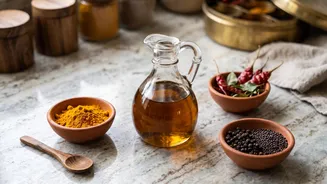
The true magic of Indian pickles lies in their complex spice blends, or 'masalas'. Making pickles at home allows for the use of high-quality, whole spices that are toasted and ground to release their essential oils and potent flavours. A typical 'achar masala' might include a mix of mustard seeds (rai), fenugreek seeds (methi), fennel seeds (saunf), cumin (jeera), and turmeric (haldi). These spices are not just for taste; they come with their own health benefits. Turmeric is a powerful anti-inflammatory, fenugreek can help regulate blood sugar, and cumin aids digestion. By creating their own blends, families can customize the heat, tang, and aroma to their exact preference, crafting a condiment that is truly their own.
A Tangible Connection in a Digital World
In a world dominated by screens, the hands_on process of pickling offers a satisfying, sensory escape. The simple acts of washing and chopping vegetables, measuring and grinding spices, and carefully mixing the ingredients provide a tangible connection to our food that is often lost in modern urban life. It’s an activity that can involve the whole family, with parents passing down techniques and teaching children where their food comes from. The patience required—waiting for the pickle to cure and the flavours to mature over days or weeks—is a rewarding exercise in mindfulness, culminating in a jar of delicious, homemade history.
Getting Started in Your Kitchen
Starting your own pickling journey is surprisingly simple. You don't need fancy equipment, just clean glass jars, fresh produce, and quality spices. For beginners, a simple lemon or green chilli pickle is a great entry point. The basic process involves washing and thoroughly drying your main ingredient, mixing it with salt, turmeric, and your chosen spice blend, and packing it into a sterile jar before adding oil or lemon juice. Numerous workshops and online resources are also available, guiding newcomers through traditional recipes from across India's diverse culinary landscape, from fiery Andhra mango pickles to sweet Gujarati chunda.