





The Global Picture: Why Crude is Climbing
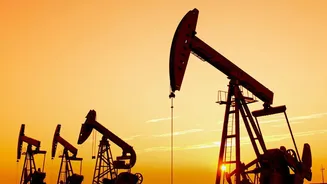
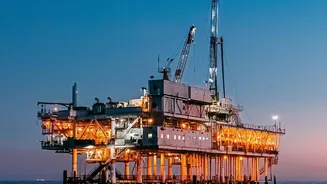
The primary driver behind this pressure is the rising cost of international crude oil. Brent crude, the benchmark for a significant portion of the world's oil, has remained elevated, trading above $100 a barrel for most of September. This surge is fueled
by a combination of factors, including persistent geopolitical uncertainty and disruptions in the Middle East. As major oil-producing regions experience instability, the global supply chain tightens. This mismatch between supply and recovering global demand pushes prices upward, a trend that directly impacts major importers like India.
From World Market to Your Wallet
India is heavily dependent on crude oil imports, making its economy particularly vulnerable to global price shifts. When the cost of a barrel of crude oil goes up, the price for oil marketing companies in India to purchase and refine it also increases. The final price you pay at the pump is a combination of this base price, freight charges, dealer commissions, and, most significantly, government taxes. Both the central government and state governments levy taxes, which can constitute a large portion of the retail price. For instance, as of September 21, petrol in Delhi costs around Rs 102.12 per litre, while in Mumbai it is higher at Rs 111.21 per litre, with these differences largely due to varying state-level taxes like VAT. Since petrol and diesel are currently outside the GST regime, this variation between states is a prominent feature of fuel pricing in the country.
The Ripple Effect: More Than Just Fuel
The impact of rising crude prices extends far beyond your vehicle's fuel tank. Diesel is the lifeblood of Indian commerce, powering the trucks that transport everything from fresh vegetables and grains to factory-made consumer goods across the country. When diesel prices rise, transportation costs for businesses go up. These increased costs are inevitably passed on to the end consumer, leading to higher prices for groceries, household items, and nearly everything else. This phenomenon acts like an indirect tax on households, contributing significantly to overall inflation and increasing the general cost of living. Experts warn that if oil prices remain high, retail inflation could climb towards the 6% mark in the coming quarter.
The Government's Tightrope Walk
This situation presents a difficult challenge for the government. On one hand, there is public pressure to cut fuel taxes to provide immediate relief to consumers. On the other hand, excise duties and VAT on petroleum products are a major source of revenue for both central and state governments, funding essential public services and infrastructure projects. Reducing these taxes would strain government finances, forcing difficult decisions about public spending. This balancing act between providing relief and maintaining fiscal health is a constant tightrope walk for policymakers, especially during periods of high global oil prices.
What to Expect Next
As long as global crude prices remain elevated, Indian consumers are likely to continue feeling the pinch. Economists note that sustained high oil prices could put pressure on the Reserve Bank of India (RBI) to increase interest rates to control inflation. This could potentially make loans more expensive. The Indian economy's heavy reliance on imported oil means that external market forces will continue to play a major role in domestic price stability. For the average citizen, this means keeping a close eye on fuel prices and being mindful of how these global trends can impact their monthly budget, from daily commutes to weekly grocery bills.