



When you picture Brazil, Rio’s vibrant beaches and São Paulo’s bustling avenues likely come to mind. But beyond these iconic hubs lies a country of staggering diversity, with hidden gems offering unique adventures, history, and natural beauty.
Ilha Grande: The Car-Free Island Paradise
Just a few
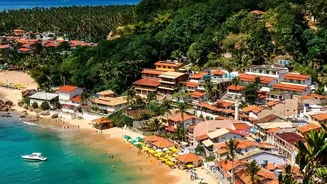
hours from Rio de Janeiro, Ilha Grande feels like another world. This protected island has no cars, just sandy trails connecting lush Atlantic rainforest to over 100 stunning beaches. The main village, Vila do Abraão, serves as the hub for accommodation and boat tours, but the island’s real magic lies in its secluded corners. A must-do is the trek or boat ride to Lopes Mendes Beach, often cited as one of Brazil's most beautiful stretches of sand. For the adventurous, a sunrise hike to Pico do Papagaio, the island's highest peak, offers unforgettable views. Getting around is part of the experience, with water taxis and schooner trips being the primary modes of transport to explore idyllic spots like the Blue Lagoon (Lagoa Azul) for snorkeling. The island maintains a simple, rustic charm, making it a perfect escape for those looking to disconnect and immerse themselves in nature.
Olinda: A Colonial Gem in the Northeast
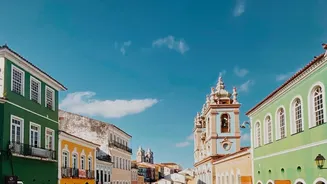
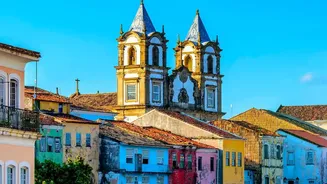
Perched on a hill overlooking the Atlantic and the nearby city of Recife, Olinda is a UNESCO World Heritage site that charms visitors with its steep cobblestone streets, vibrant colonial houses, and thriving arts scene. This historic town is a living museum, with dozens of baroque churches, convents, and artist studios tucked into its winding lanes. A highlight is the Alto da Sé, a hilltop square offering panoramic views, delicious street food like tapioca, and the impressive Sé Cathedral. The São Bento Monastery is another essential stop, renowned for its magnificent gold-leaf altar. Olinda is also famous for its Carnival celebrations, which feature giant puppets (bonecos gigantes) parading through the streets. Beyond its history, the city has a relaxed, bohemian atmosphere that encourages visitors to simply wander, discover hidden courtyards, and enjoy the local culture.
Chapada Diamantina: A Hiker’s Dream
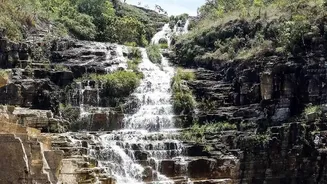
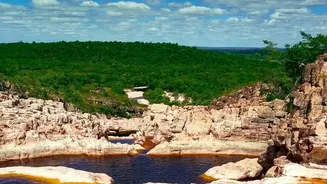
Located in the state of Bahia, Chapada Diamantina National Park is a vast expanse of dramatic plateaus, breathtaking waterfalls, and extensive cave systems. Once the heart of Brazil's diamond rush, it is now a premier destination for ecotourism and trekking. The gateway town of Lençóis offers a charming base with colonial architecture and tour operators ready to guide you. One of the park's most iconic sights is Cachoeira da Fumaça, or Smoke Waterfall, one of Brazil’s tallest cascades. Another highlight is the hike to the top of Morro do Pai Inácio for panoramic sunset views over the tabletop mountains. For a truly immersive experience, multi-day treks through the Vale do Pati are considered among the best in the world, offering stays with local families in the valley. The park also boasts incredible underground attractions, including crystal-clear pools like Poço Azul and Poço Encantado, where you can swim in surreal blue waters.
Bonito: The Capital of Ecotourism
The name says it all—Bonito means 'beautiful' in Portuguese, and this destination in Mato Grosso do Sul lives up to it. It is a world-renowned hub for organized ecotourism, famous for its impossibly clear rivers, abundant wildlife, and fascinating caves. All tours are conducted in small groups with certified guides to minimize environmental impact, ensuring the area remains pristine. The flagship activity is snorkeling or 'flotation' in rivers like the Rio da Prata or Rio Sucuri, where you can effortlessly float downstream in crystalline waters surrounded by colorful fish. Another must-see is the Gruta do Lago Azul (Blue Lake Grotto), a cave containing a stunningly blue underground lake. For thrill-seekers, the Abismo Anhumas offers a 72-meter rappel into a cavern for snorkeling or diving in a subterranean lake. The region is an exemplar of sustainable tourism, making it an ideal spot for nature lovers who want to experience Brazil's biodiversity responsibly.
Jericoacoara: Dunes, Lagoons, and Kitesurfing
Once a remote fishing village, Jericoacoara (or 'Jeri') is now a world-famous destination for windsurfers and kitesurfers, yet it retains its rustic, barefoot charm. Set within a national park on the coast of Ceará, its streets are made of sand, and it is surrounded by massive dunes and seasonal freshwater lagoons. A daily ritual involves climbing the 'Duna do Pôr do Sol' (Sunset Dune) to watch the sun dip into the ocean. Iconic sights include the Pedra Furada, a natural rock arch, and the serene, hammock-strewn Lagoa do Paraíso. Getting to Jeri is an adventure in itself, typically requiring a 4x4 journey across the dunes from the nearby town of Jijoca. The best time for wind sports is from July to December, but the 'rainy' season from February to May offers the unique beauty of full lagoons and greener landscapes.