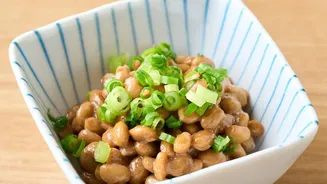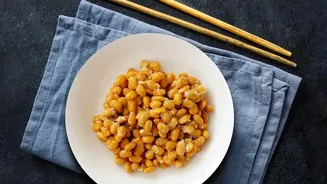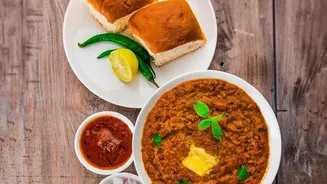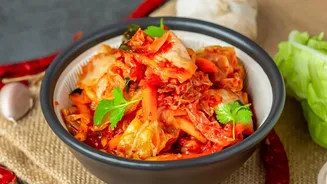

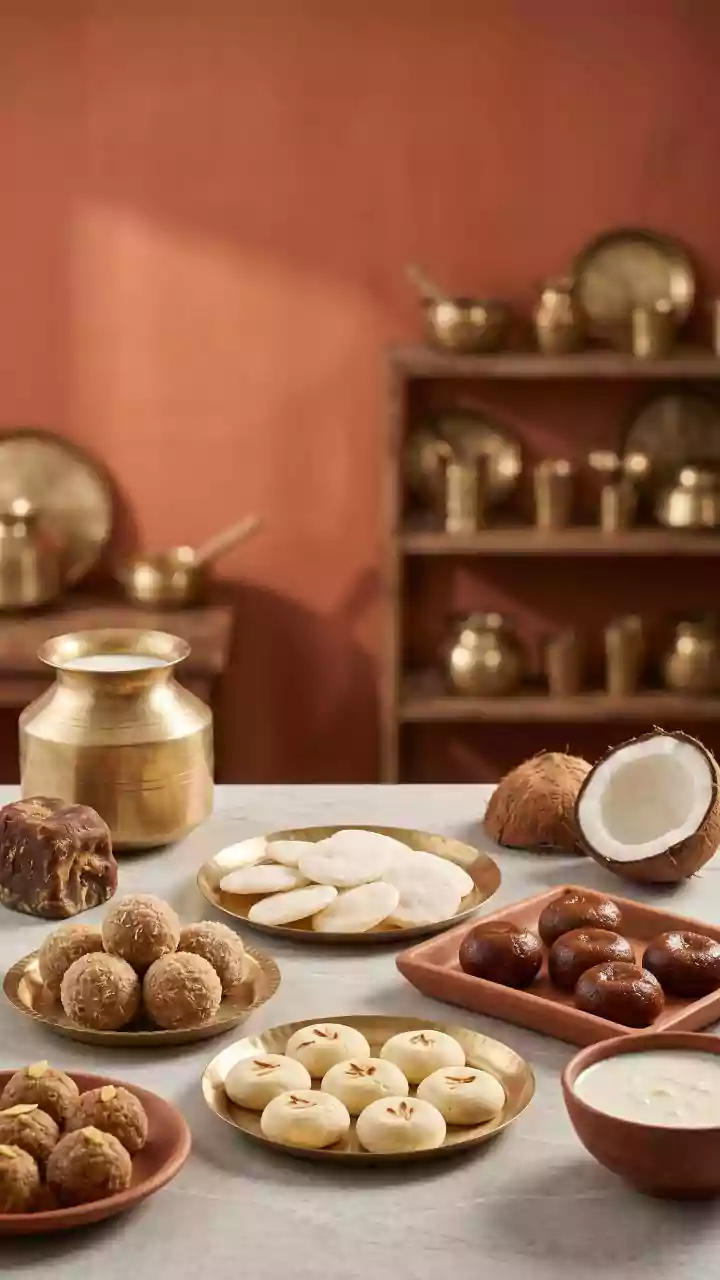



The world is buzzing about probiotics, with kimchi and kombucha hailed as gut-health heroes. But what if the most powerful probiotic sources have been hiding in plain sight in Indian kitchens all along? It’s time to look closer.
The Gut Health Revolution
First, a quick refresher.
Our gut is home to trillions of microorganisms, collectively known as the gut microbiome. A healthy, balanced microbiome is crucial for everything from digestion and immunity to mood regulation. Probiotics are live, beneficial bacteria that help maintain this delicate balance. While probiotic supplements are popular, many experts agree that getting them from whole foods is more effective. This is where fermented foods, which are naturally rich in these friendly microbes, come into play.
India’s Living Food Heritage
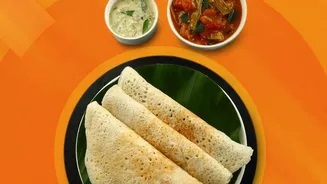
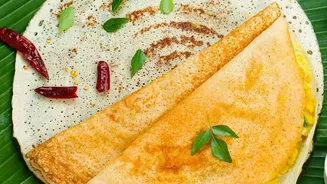
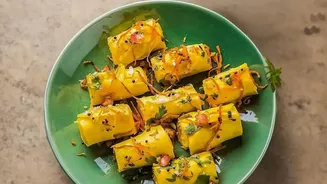
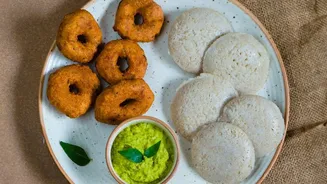
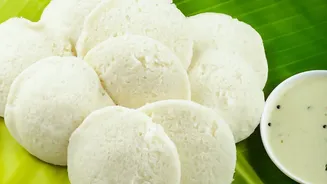
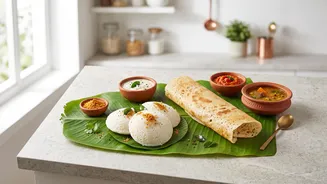
Long before kombucha was trendy, Indian households perfected the art of fermentation. This ancient practice wasn't just for preservation; it was a way to enhance nutrition and flavour. Think of the fluffy, steamed idlis and crisp dosas from the South, made from a rice and lentil batter that ferments for hours. In Gujarat, there's the spongy, savoury dhokla, made from fermented gram flour. And in the North, the tangy, purple drink kanji, made from fermented black carrots and mustard seeds, is a winter staple. Even everyday staples like dahi (curd) and homemade pickles (achar) are teeming with probiotic goodness.
What Makes Them ‘Superior’?
The claim of 'superiority' for Indian fermented foods comes down to a few key factors. Unlike many commercially produced fermented products that use a limited number of lab-grown starter cultures, traditional Indian recipes rely on wild, spontaneous fermentation. This process invites a much wider and more diverse array of naturally occurring bacteria and yeasts from the environment and the ingredients themselves. Studies on idli batter, for instance, have revealed a complex, dynamic ecosystem of microbes, including various strains of Lactobacillus and Leuconostoc, that work together. This microbial diversity is crucial because a varied gut microbiome is a resilient one. Furthermore, Indian fermentation often involves a combination of substrates, like cereals and legumes (rice and urad dal for idli/dosa), which creates a unique environment for different types of beneficial bacteria to thrive.
More Than Just Probiotics
The benefits of these foods go far beyond just providing probiotics. The fermentation process is essentially a form of pre-digestion. Microbes break down complex carbohydrates, proteins, and anti-nutrients like phytic acid. This makes the food easier for our bodies to digest and enhances the bioavailability of essential nutrients like iron, calcium, zinc, and B vitamins. For example, fermentation can increase the B vitamin content in idli batter. Many of these foods, such as dhokla and idli, also have a lower glycemic index compared to their unfermented counterparts, which helps in better blood sugar management.
Bringing Tradition to Your Table
Incorporating these foods into your diet is simple and delicious. Starting your day with idli or dosa provides a gentle, nutrient-dense meal that's easy on the stomach. A bowl of homemade dahi with your lunch can significantly boost your intake of beneficial bacteria like Lactobacillus Acidophilus. Snacking on dhokla offers a protein-packed, fermented option. And sipping on a glass of kanji can be a refreshing, hydrating way to support your gut health, especially during season changes. The key is consistency and favouring homemade or traditionally prepared versions over mass-produced ones, which may have reduced microbial viability due to processing.