


Centre Steps In Amidst Crisis
On Wednesday, Union Home Minister Amit Shah spoke with Bihar Chief Minister Samrat Choudhary and Uttar Pradesh Chief Minister Yogi Adityanath regarding the unfolding crisis. The conversation focused on preparedness for the expected surge in rivers flowing
from Nepal into the two states. Shah assured both chief ministers of all possible assistance from the Centre to deal with any potential crisis. In a public statement, he expressed his condolences for the lives lost in Nepal and affirmed that the Indian government stands with its neighbour in this hour of crisis. Following the high-level discussions, the National Disaster Response Force (NDRF) was placed on high alert in the border districts of both states.
A Perennial Monsoon Threat
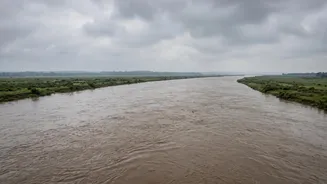
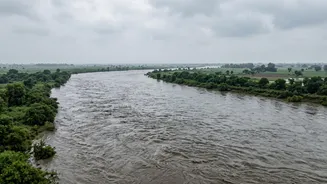
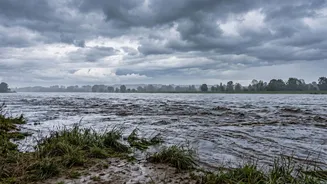
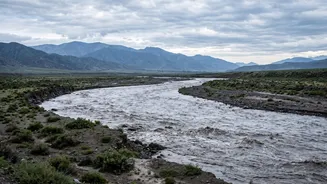
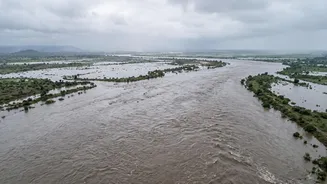
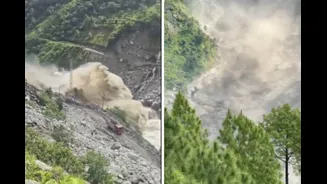
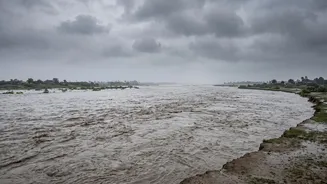
The cause for alarm was a massive flash flood in Nepal's Bhote Koshi-Trishuli river basin, which struck the Rasuwa district near the Tibet border on Wednesday. The disaster, suspected to have been triggered by a Glacial Lake Outburst Flood (GLOF), has reportedly killed over 150 people in Nepal, with hundreds more missing, including a number of Indian tourists. This sudden surge of water is now travelling downstream. Authorities have warned that rivers like the Gandak and Kosi in India could see a dramatic rise in water levels. In response, Bihar has put nine districts on high alert, including West Champaran, Gopalganj, and Supaul, while Uttar Pradesh is closely monitoring the situation in districts like Kushinagar and Maharajganj.
How India Manages the Response
The intervention by the Home Minister is a critical part of India's disaster management protocol. The Ministry of Home Affairs serves as the nodal ministry for managing natural disasters. When a crisis like this emerges, especially one with cross-border implications, the Home Minister often steps in to ensure a coordinated response between the Centre and the affected states. The primary agency for on-the-ground response is the NDRF, which falls under the Home Ministry's purview. Twenty NDRF teams have been deployed across vulnerable areas in Bihar and Uttar Pradesh as a precautionary measure, equipped for rescue and relief operations. These teams work in close coordination with the State Disaster Response Force (SDRF) and local district administrations.
Cross-Border Cooperation is Key
This annual threat highlights the critical importance of cooperation between India and Nepal on water management. Many of Bihar's major rivers originate in the Himalayas in Nepal, making the state perpetually vulnerable to floods caused by heavy rainfall in the upstream catchment areas. Over the years, the two countries have established mechanisms for sharing flood forecasting data. The Central Water Commission (CWC) in India works with its Nepali counterparts to monitor river levels. In this instance, an advisory from the CWC noted the sudden rise in the Trishuli river, approximately 160 km from the Indian border, which allowed authorities to activate alerts downstream. While the immediate focus is on rescue and relief, such events underscore the need for continuous strengthening of these early warning systems.
The Stakes on the Ground
For the millions living in the densely populated river plains of northern Bihar and eastern Uttar Pradesh, the alerts are a grim reminder of their vulnerability. Authorities have begun evacuating people from low-lying villages near the Gandak river. Public announcements are being made, and officials have cancelled leave to ensure they are on hand to manage the situation. The preparedness measures are a race against time, as the flood wave from Nepal makes its way toward the Indian border. While the Central Water Commission reported late on Wednesday that water levels in Nepal's reservoirs were beginning to reduce, authorities on the ground remain vigilant, as the situation can change rapidly during the monsoon. India has also dispatched 10 tonnes of humanitarian aid and essential medicines to Nepal to support relief efforts there.