


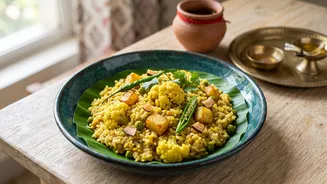
The Soul of the Meal: Bhoger Khichuri
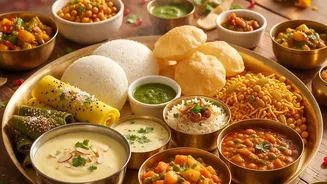
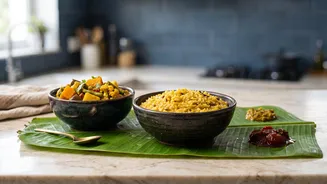
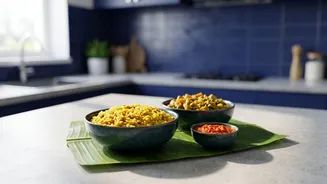
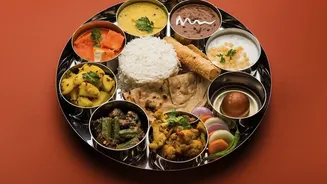
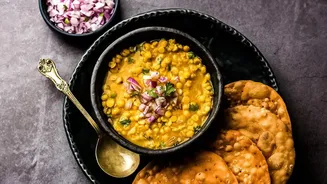
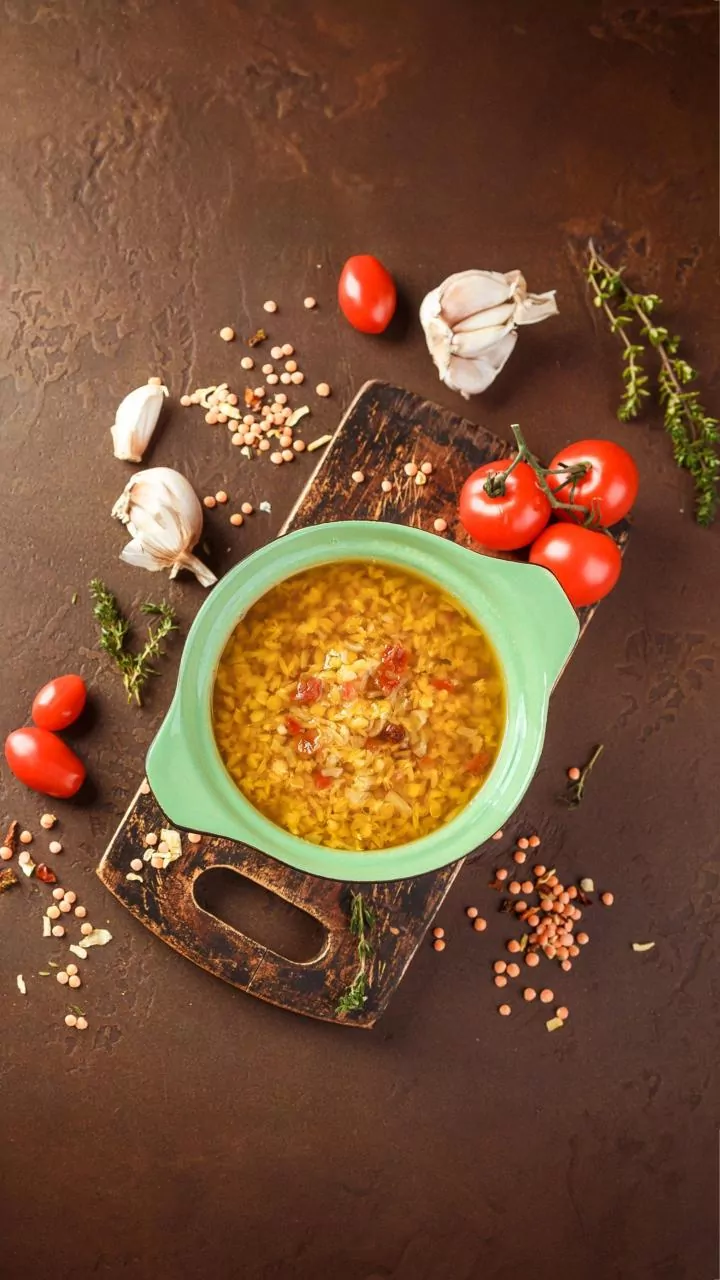
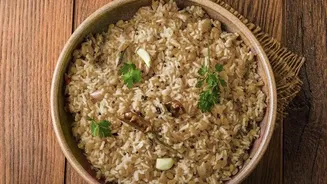
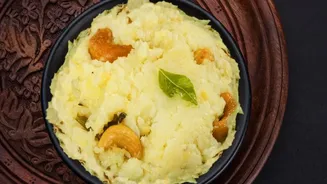
The star of any Durga Puja bhog is the khichuri. This isn't just any rice and lentil dish; it's a fragrant, flavourful, and wholesome preparation made without onion or garlic. The authenticity comes from using Gobindobhog rice, a short-grain aromatic
variety, and dry-roasted Sona Moong dal. This combination, slow-cooked with vegetables like potatoes, cauliflower, and green peas, along with a tempering of ghee, cumin seeds, bay leaves, and whole spices, creates a dish that is both divine and deeply satisfying. The key is to achieve a soft, porridge-like consistency where the rice, dal, and vegetables meld together beautifully. The khichuri is more than food; it's an offering of devotion that nourishes the body and soul.
The Perfect Partner: Labra
No bhoger khichuri is complete without its classic accompaniment, labra. This mixed vegetable dish is a celebration of seasonal produce, combining five or more vegetables into a harmonious medley. Typically, it includes pumpkin, potatoes, brinjal, radish, and raw banana, all cooked together until tender. What makes labra unique is the use of 'panch phoron', a Bengali five-spice blend of mustard, fennel, cumin, fenugreek, and nigella seeds. This tempering, bloomed in hot mustard oil, imparts a distinctive aroma and flavour. A hint of sweetness from the pumpkin and a touch of sugar balances the spices, while grated ginger adds a warm kick. The final dish should be moist but not gravy-laden, with the vegetables holding their shape yet being perfectly cooked.
A Tangy Finale: Tomato and Khejur Chutney
To cut through the richness of the khichuri and labra, a sweet and tangy chutney is essential. The classic choice is a tomato chutney, often enriched with dates (khejur) and sometimes mango leather (aamshotto). This vibrant red chutney is simmered until the tomatoes break down into a jam-like consistency. It’s tempered with mustard seeds and dried red chillies, which add a gentle, pungent heat. The sweetness from the sugar and dates provides a perfect counterpoint to the tang of the tomatoes. Served at the end of the meal, it acts as a palate cleanser and a delightful transition to the dessert course, which often includes payesh or mishti doi.
Tips for an Easy and Fast Bhog
The words 'fast' and 'bhog' don't often go together, as traditional cooking is a labour of love. However, you can make the process much easier with some simple planning. Start by prepping all your vegetables a day in advance; chop them and store them in the refrigerator. Dry roast the moong dal ahead of time to save a crucial step on the day of cooking. While a heavy-bottomed pot is traditional for khichuri, using a pressure cooker can significantly reduce the cooking time without compromising on flavour. Make the chutney a day or two before; it stores well in the fridge and its flavours often deepen over time. By breaking down the tasks, you can manageably prepare this elaborate, soulful meal and enjoy the festive spirit without feeling overwhelmed in the kitchen.