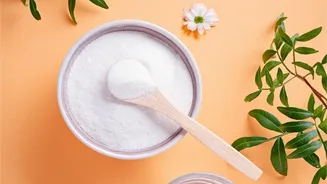




The protein shake is a fitness staple, but what if you're tired of the same old drink? Cooking with protein powder offers a versatile, effective, and often more satisfying way to hit your daily goals without another shaker bottle in sight.
Beyond the Shaker Bottle
For many, protein
powder is synonymous with a post-workout shake. While shakes are convenient, they can become monotonous. Incorporating protein powder into everyday recipes is a game-changer for anyone experiencing 'shake fatigue'. It allows you to boost the protein content of foods you already love, from morning oatmeal to evening soup. This approach makes meeting your protein needs feel less like a chore and more like a natural part of your diet. Moreover, turning a typically carbohydrate-heavy snack like a muffin into a protein-rich treat can increase satiety, helping you stay full longer and potentially reducing cravings later in the day.
Does Heat Damage The Protein?
A common myth is that heating protein powder destroys its nutritional value. The reality is more nuanced. Heat does cause a process called denaturation, which changes the protein's structure—much like when you cook an egg. However, this doesn't destroy the essential amino acids that your body needs for muscle repair and other functions. Your body can still absorb and utilize these amino acids effectively. While extremely high temperatures for prolonged periods might slightly reduce bioavailability, typical cooking and baking temperatures won't render your protein powder useless. So, you can feel confident adding a scoop to your hot coffee, pancake batter, or baked goods without losing the core benefits.
Choosing the Right Powder for Your Recipe
Not all protein powders behave the same way in the kitchen. Using the wrong type can lead to dry, rubbery results. Whey protein, especially whey concentrate, can work well but sometimes requires other dry ingredients to balance it. Whey isolate is often a top pick for bakers because it has a neutral flavour and absorbs less liquid. Casein protein, which digests more slowly, is excellent for creating a thicker texture in things like puddings or creamy soups. A whey-casein blend is often considered a fantastic all-rounder, mimicking flour's properties better than whey alone and helping retain moisture in baked goods. Plant-based powders are also great for cooking and are less likely to turn rubbery.
Tips for Culinary Success
To avoid clumpy, dry, or dense outcomes, a few simple rules apply. First, never just swap flour for protein powder on a 1:1 basis, especially with whey. A good starting point is to replace about onendquarter to onendthird of the flour in a recipe with protein powder. It’s also wise to mix the powder with your other dry ingredients before adding any liquids to ensure it's evenly distributed. You will likely need to increase the liquid in the recipe, as protein powder is very absorbent. Start by adding a little extra milk, water, or oil and adjust as needed until the consistency looks right. For flavoured powders, remember they often contain sweeteners, so you may need to reduce the sugar in your recipe.
Simple Ways to Get Started
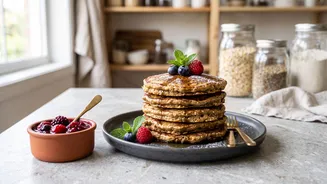
You don't have to start with a complex baking project. The easiest way to begin is by stirring a scoop of unflavoured or complementary flavoured powder into foods you eat daily. It mixes seamlessly into hot porridge, overnight oats, or yoghurt. You can blend it into smoothies, of course, but also into hummus or creamy vegetable soups to add a protein punch without significantly changing the taste. Upgrading your breakfast by adding powder to pancake or waffle batter is another simple and effective method to create a more balanced and satisfying meal to start your day.