


The Comforting Winter Staple
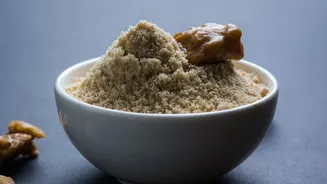
When the temperature drops, the rich, earthy sweetness of jaggery becomes a comforting presence in Indian households. From a small piece enjoyed after a meal to its use in winter delicacies like 'gajak' and 'chikki', 'gur' is deeply woven into our culinary
traditions. It’s often considered a 'warming' food in Ayurveda, believed to help generate body heat and keep you cozy during the colder months. This belief, combined with its traditional use as a remedy for coughs and colds, has cemented its reputation as the go-to sweetener for winter wellness.
Jaggery’s Nutritional Edge Over Sugar
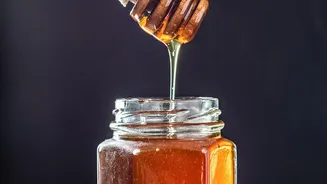
The primary reason jaggery is lauded as 'healthier' lies in its processing. Unlike refined white sugar, which is stripped of all nutrients, jaggery is unrefined. It’s made by simply boiling sugarcane juice until it solidifies, a process that retains the natural molasses. This molasses is the source of its nutritional value, containing small amounts of essential minerals like iron, magnesium, potassium, and calcium. White sugar, in contrast, offers nothing but 'empty calories'—pure sucrose with zero minerals or vitamins. For this reason, jaggery does have a slight nutritional advantage over its highly processed cousin.
The Blood Sugar Showdown
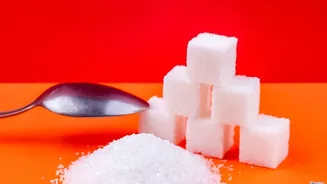
Here is where the 'healthy' label becomes complicated. Despite its mineral content, jaggery is, at its core, a form of sugar. It is primarily composed of sucrose, just like white sugar. When you eat jaggery, your body breaks it down into glucose, which then enters your bloodstream. The crucial metric here is the Glycemic Index (GI), a scale that ranks how quickly a food raises blood sugar levels. Many people are surprised to learn that sugarcane jaggery has a high GI, often reported to be around 84. This is actually higher than white sugar, which has a GI of about 65. This means that jaggery can cause a more rapid spike in blood sugar than an equivalent amount of white sugar.
What This Means for Diabetics
For individuals managing diabetes or insulin resistance, this is critical information. The common belief that jaggery is a safe substitute for sugar is a dangerous myth. Due to its high GI and sucrose content, jaggery's effect on blood glucose levels is nearly identical to that of regular sugar. Medical experts and nutritionists are clear: people with diabetes should avoid or strictly limit their intake of jaggery, just as they would with white sugar. The small amount of minerals it contains does not negate its powerful impact on blood sugar. Swapping sugar for jaggery offers no real benefit for glycemic control.
The Verdict: Is Jaggery 'Healthier'?
The answer is nuanced. Yes, jaggery contains more nutrients than white sugar. However, the amount of minerals you get from a typical serving—say, a teaspoon in your tea—is quite small and doesn't significantly contribute to your daily needs. To get a substantial mineral boost from jaggery, you would have to consume a large quantity, at which point the high sugar intake would outweigh any benefits. Therefore, while it is a marginally better choice due to its unrefined nature and trace nutrients, it should not be considered a 'health food'. It is still a high-calorie sweetener that impacts blood sugar significantly.
The Golden Rule: Moderation Is Key
Ultimately, the debate isn't about choosing a 'good' sweetener versus a 'bad' one. Both jaggery and white sugar are concentrated sources of sugar that should be consumed mindfully. Jaggery can be enjoyed for its unique flavour and cultural significance, especially in winter. It can be part of a balanced diet, but it is not a free pass to indulge your sweet tooth without consequences. The same rule of moderation that applies to sugar applies to jaggery. For those with diabetes or metabolic concerns, both should be largely avoided in favour of maintaining stable blood sugar levels.